This story is currently available in Englisch only — a translation isn't ready yet.
US Imposes New Warnings on Ozempic and Wegovy Over Rare Vision Risk
Expanded warnings across the GLP-1 agonist class after a review of 126 clinical trials involving 134,253 patients, amid UAE studies revealing gaps in prescribing and medication counseling.
ℹ️ Browser-Stimme · KI-Studiostimme bald verfügbar
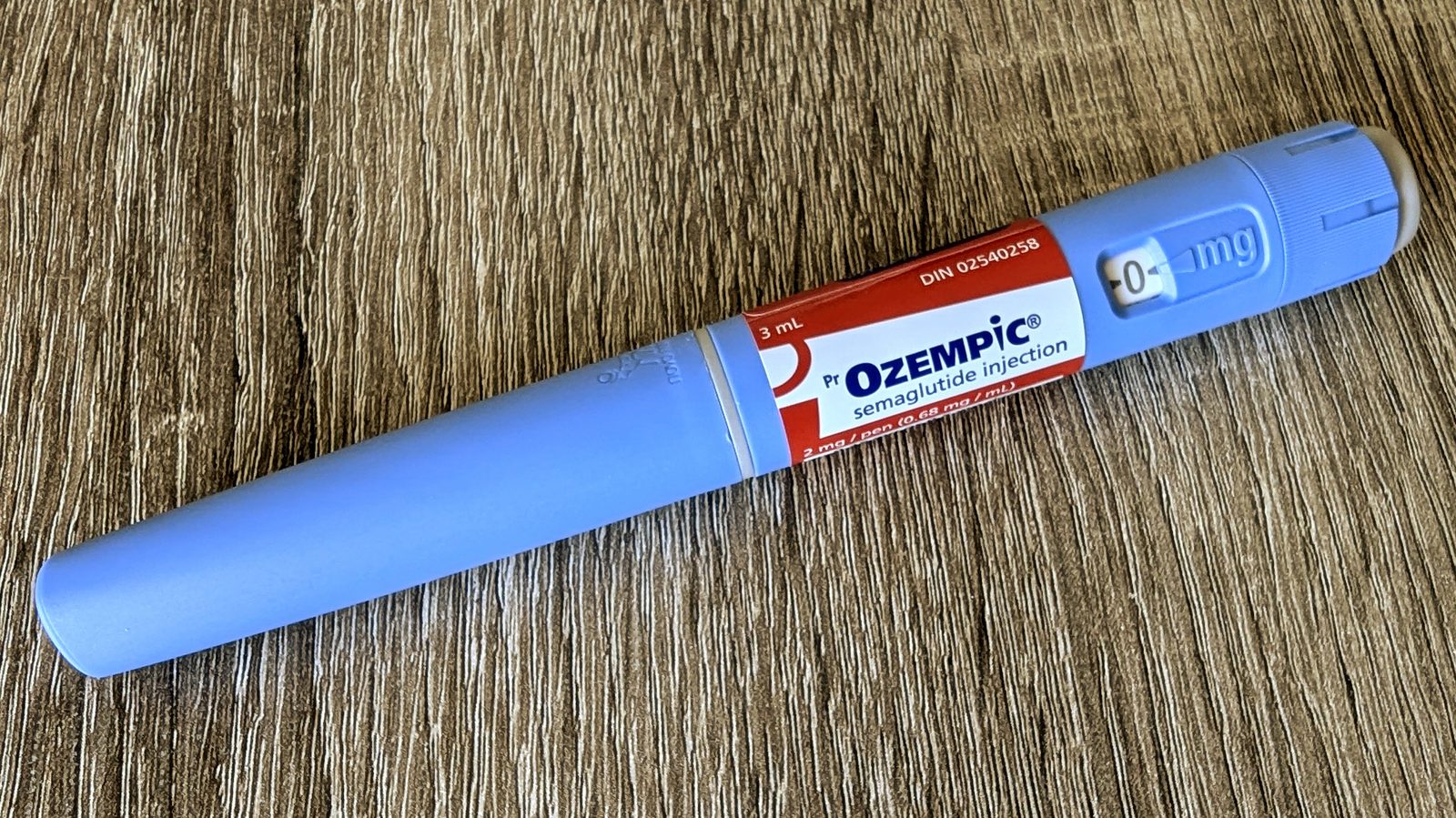
The US Food and Drug Administration has required manufacturers of diabetes and weight-loss drugs to update safety warnings across the entire class of glucagon-like peptide-1 (GLP-1) receptor agonists, after reviewing clinical trials and safety data, over a rare risk of optic neuropathy. The decision covers Novo Nordisk's Ozempic and Wegovy, and Eli Lilly's Mounjaro and Zepbound.
The warning concerns non-arteritic anterior ischemic optic neuropathy (NAION), a condition caused by reduced blood flow to the optic nerve that can lead to sudden, painless and sometimes permanent vision loss, and usually affects one eye. The agency did not advise patients to stop taking these drugs as a precaution, and its findings pointed to a possible rare risk without establishing that the treatment directly causes the condition.
The agency reviewed 126 clinical trials involving 134,253 patients, and identified 15 possible cases of NAION, including 10 among users of GLP-1 drugs and five in comparator groups. The incidence rate was 6.4 cases per 100,000 person-years among users of these drugs, compared with 3.8 cases in comparator groups.
In a UAE study published in the journal Cureus in October, Dr. Jamal Mohsen of Al Dhafra Hospitals examined the eye health records of 121 patients, 30 of whom were receiving semaglutide or tirzepatide. It found that diabetic retinopathy progressed or appeared in 40 percent of treated patients, compared with 50.5 percent of those with no documented exposure to the two drugs, a difference that is not statistically significant. A separate review identified seven regional cases of NAION between 2022 and 2025, none of which documented exposure to either drug.
A study from Ajman University published in January in the journal Pharmacy Practice found that only 26.8 percent of pharmacies requested a prescription when Ozempic was sought for weight loss, during simulated patient visits to 153 community pharmacies in Dubai and the Northern Emirates. In 27 percent of visits, patients received no medication counseling, and basic screening questions were asked in only between 3 and 30 percent of cases, depending on the question. The researchers Noor Kamal Risan, Muawiya Al-Tabbakha and Akram Ashams concluded that there are major gaps in adherence to prescribing and counseling.
In another study published in July involving 386 pharmacists, the mean knowledge score was 27.78 out of 54, with gaps in dosing, side effects, contraindications and patient counseling.
The US agency lists diabetes, high blood pressure, sleep apnea, kidney disease, anemia and smoking among possible risk factors. It advises patients to seek immediate medical care if they experience sudden vision loss, blurred vision, blind spots, tunnel vision or a change in color perception.
Sources — how we know this
- PrimaryGulf News