This story is currently available in Englisch only — a translation isn't ready yet.
Al-Brega blames shipping for cooking gas shortage... and black market cylinder hits 200 dinars
A crisis stretching two months from Ubari to Tripoli... and the Attorney General detains those involved in breaching gas transport contracts
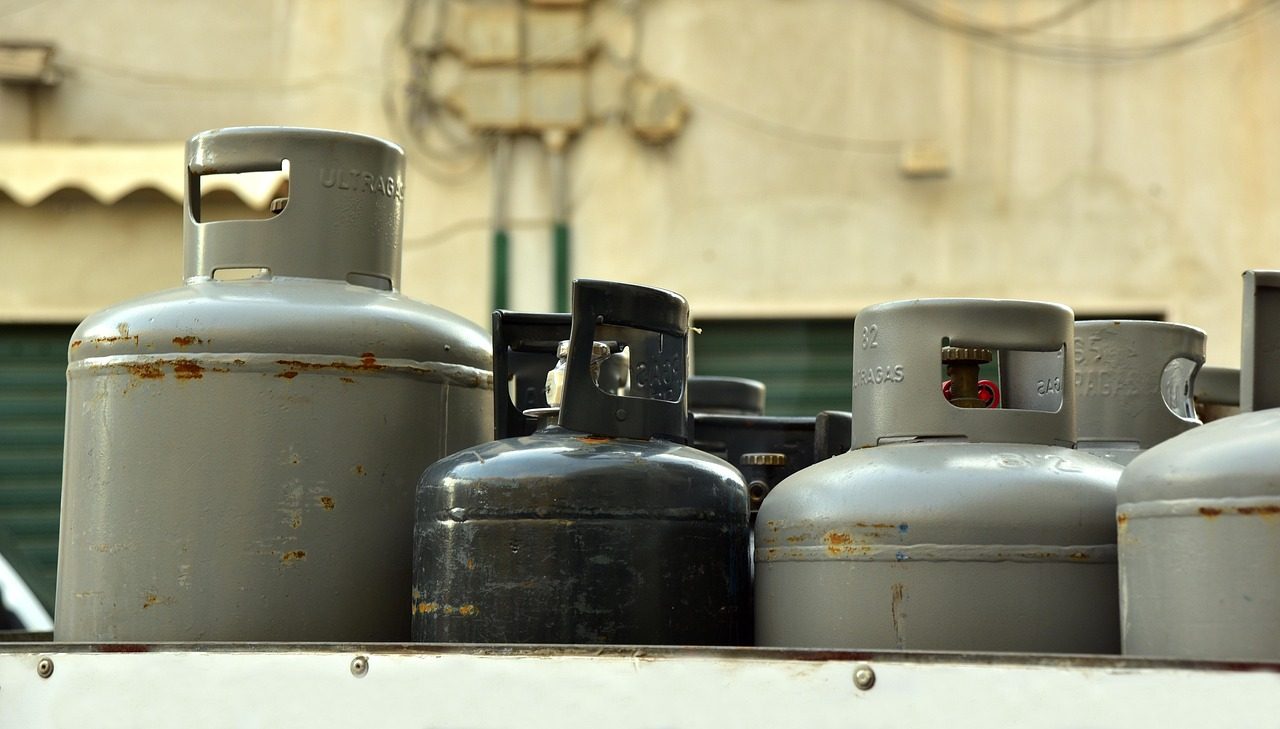
The Libyan Attorney General's office has detained individuals involved in breaching cooking gas transport contracts, at a time when the cylinder crisis continues in Libyan cities for the second consecutive month, after the cylinders disappeared from both the official and parallel markets.
The state-subsidized cylinder price stood at about two dinars, while its price on the parallel market jumped from 30 dinars at the start of the crisis to more than 120 dinars, and reached 200 dinars at the beginning of this month in areas far from supply centers, before disappearing entirely. The dollar equals 6.46 dinars on the official market and 10.42 dinars on the parallel market.
Political activist Jaafar Al-Ansari said the crisis began in the city of Ubari in far southern Libya more than two months ago for unknown reasons, starting with a decline in cylinders at the distribution depot, until long queues in front of it became a daily scene before the cylinders vanished. He noted that two shipments arrived at the Ubari depot over the past two weeks, and that the lining up of thousands who came from distant areas caused the quantities to dissipate quickly, "as if they were a drop in the ocean." He pointed to the doubling of prices for charcoal and electric cooking appliances that residents turned to as an alternative.
In Buslim, south of Tripoli, the head of the "Umm Al-Mu'mineen" charity association, Faraj Omar, complained of spending a grueling day in the gas queue, and wrote on his account on "X" that "the crowding exceeded what was previously seen in the experiences of bank and fuel station queues, and he returned empty-handed." Citizens circulated a clip from Misrata showing residents who spent the night in the street hoping to obtain a cylinder the following morning.
At the beginning of this month, Al-Brega Company attributed the shortage of cooking gas supplies to maritime navigation conditions and changing tanker schedules, before later announcing the arrival of new shipments and the resumption of pumping to meet citizens' needs. Citizens questioned the statements of the company, which is affiliated with the National Oil Corporation, regarding the dispatch of shipments to their areas, publishing recent photos of the queues.
Libyan oil expert Mohammed Al-Shahati attributed the crisis to "the irregularity of maritime carriers between production sites," such as the Zawiya refinery (west of the country) and the Zueitina port (east of the country), and consumption centers, as well as to the weak storage capacity of depots in major cities such as the capital Tripoli. He said Libya produces more than 2.5 billion cubic feet of natural gas per day, most of which is allocated to the local market, and that it owns two carriers and uses a third chartered one, and that the rise in navigation risks in the Strait of Hormuz doubled the rental prices of carriers.
He added that the power outage months ago and the rise in the diesel price on the parallel market to more than 10 dinars per liter pushed factory owners, restaurants and sweets workshops to rely on subsidized household cylinders.
Libyan political analyst Hussam Al-Din Al-Abdali saw that the citizen "is not concerned with the technical justifications for the delay in shipments," as he is worn down by a series of crises - from power outages and cash shortages to fuel scarcity and rising food prices caused by the deterioration of the dinar's value. He criticized the delay of the National Oil Corporation and Al-Brega Company in clarifying the reasons, and the absence of early preparation, and asked why larger tanks had not been built despite the budgets allocated to the corporation.
The head of the "Libyan Monitor for Consumer Protection" organization, Wael Suleiman Al-Saghir, affirmed that the crisis is still ongoing in several cities, amid fears of the onset of winter and the inability of patients and the elderly to bear the hardship of the queues.
Libya is experiencing a political and institutional division between the "Government of National Unity" headed by Abdul Hamid Dbeibah in Tripoli, and another headed by Osama Hammad, appointed by the parliament, which runs the east and some southern cities and enjoys the support of the commander of the "National Army," Field Marshal Khalifa Haftar.
Sources — how we know this
- PrimaryAsharq Al-Awsat
Energy Portfolio
Check your broker for the latest on energy stocks.
View Now →