This story is currently available in Englisch only — a translation isn't ready yet.
Iraqi Kurdistan on the Brink of Dual Administrations After PUK Withdrawal
KDP-PUK dispute over government formation reached a breaking point after parliament convened in Erbil without the second party's participation.
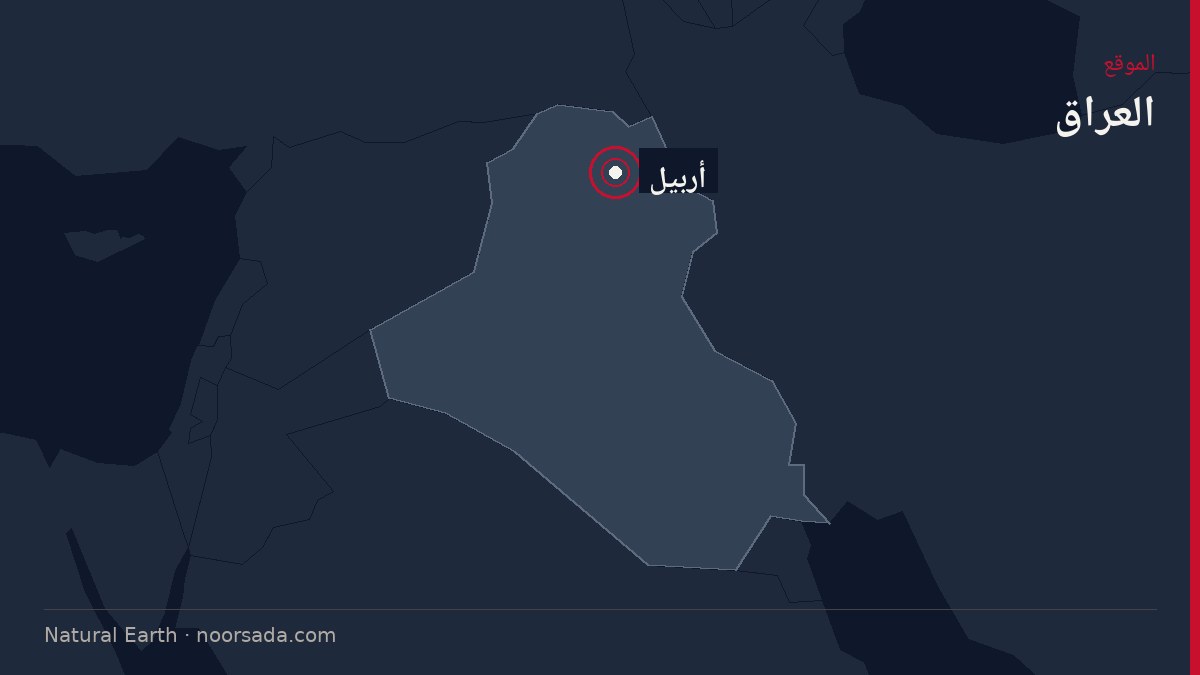
The specter of rival administrations in Iraq's Kurdistan region has grown closer than ever, after the leader of the Patriotic Union of Kurdistan (PUK), Bafel Talabani, withdrew his party from the government in response to a parliamentary session held in Erbil last week without his participation.
Mahmoud Khoshnaw, a senior PUK official, warned that "if a prime minister is appointed in Erbil, we will take the same step in Sulaimani," stressing that the party would replicate every move made by the Kurdistan Democratic Party (KDP) in Sulaimani. He added that holding parliament without reaching an understanding with his party "resulted in repercussions and negatively affected relations between the two sides."
Conversely, Subhi Mandalawi, a member of the KDP led by Masoud Barzani, attributed the crisis to the PUK's refusal to form a joint government, noting that the party waited for consensus for a full two years since the October 2024 elections, when the KDP won 39 seats against 23 for the PUK, while the New Generation Movement secured 15 seats. He pointed to a precedent from 2018 when parliament convened without the PUK, which later joined the government.
Independent Kurdish politician Yaseen Aziz described the developments as "painful and accelerating," arguing that "responsibility for deepening this conflict rests with the leadership of the two main parties," ruling out a near-term agreement amid "obstinacy by both sides."
The region operates under the post-2003 constitution, which recognizes it as a federal entity with independent legislative, executive, and judicial powers, but the Iraqi constitution provides no mechanism for dividing the region between the two parties' spheres of influence. The region previously experienced separate administrations in the 1990s during fighting between the parties, though analyst Ramadan Al-Badran stressed that the current situation is a deep political crisis rather than a constitutional dispute, with "potentially serious security repercussions" for the region.
Sources — how we know this
- PrimaryAl Jazeera English