This story is currently available in Englisch only — a translation isn't ready yet.
Security Council to Discuss Alternative Force for UNIFIL Next Week
Consultations in New York restricted to Council members, on the basis of Resolution 1701, with the 'Framework Agreement' annexed to it and Berri objecting
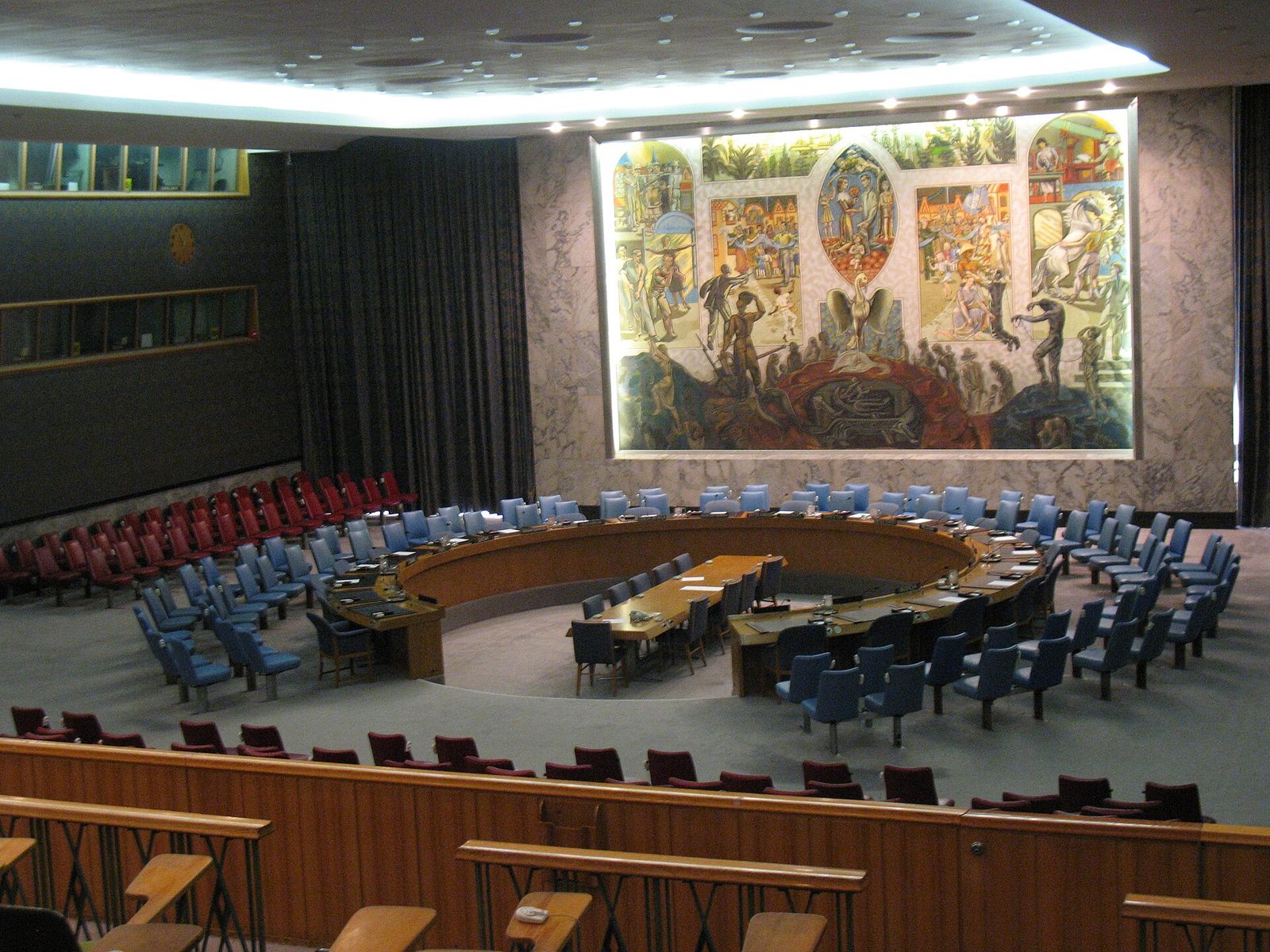
The UN Security Council begins next week consultations in New York restricted to its members, to discuss the force that will replace the international emergency force 'UNIFIL' as its mission in southern Lebanon ends at the end of the current year.
The consultations come on the basis of the outcome of talks held by the US representative to the United Nations, Michael Waltz, with the President of the Republic, General Joseph Aoun. The talks included the Speaker of Parliament, Nabih Berri, and the Prime Minister, Nawaf Salam, and centered on filling the vacuum with a force that enjoys international cover, on the basis of their adherence to Resolution 1701, backed by a body of international observers that accompanies the gradual Israeli withdrawal, in tandem with the exclusivity of weapons in the hands of the state.
Waltz agreed to Lebanon's adherence to Resolution 1701 and the necessity of implementing it, and to the alternative force enjoying UN cover. Aoun and Salam did not object to his desire to annex the 'Framework Agreement' to the resolution, unlike Berri's objection.
The American envoy did not propose in his meetings, contrary to what had been rumored before his arrival in Beirut, the use of a civilian monitoring force or the borrowing of the model applied in Egypt's Sinai. The three presidents insisted on an international mechanism to verify the army's deployment in the areas from which Israel withdraws, and that they be free of 'Hezbollah' weapons and fighters.
Waltz did not initially show enthusiasm regarding adherence to implementing Resolution 1701, on the pretext that Lebanon, by agreeing to the 'Framework Agreement', is entering a new political and security phase, but he later showed responsiveness to the Lebanese desire, and proposed annexing the 'Framework Agreement' to the resolution. This means that the Security Council's approval of the merger transfers the agreement to internationalization, and does not keep it confined to the three parties that signed it.
Waltz will brief US Secretary of State Marco Rubio on the results of his meetings in Beirut, in order to build on that by communicating with his counterparts in the member states of the Security Council, especially the permanent members, to pass the amendment without the use of the veto. He expressed positivity regarding the French position and the possibility of involving Paris in the alternative force.
Waltz called on 'Hezbollah' to hand over its weapons to the state voluntarily. The merger, if approved, means that the handover will not remain confined to the area of operations of the international force, but will gradually include all of Lebanon, according to a timetable that takes into account the tandem between the Israeli withdrawal and the exclusivity of weapons.
Berri is following up on communication with 'Hezbollah', which is working on preparing an integrated response in the event the merger takes place, in exchange for its bet on the Iranian-American 'memorandum of understanding', while Rubio insists on not linking the Lebanese track to Iran. The Speaker of Iran's Consultative Assembly, Mohammad Bagher Qalibaf, after a call with Berri, linked the two files, saying that there will be no calm in the region unless the war on Lebanon ends.
Sources — how we know this
- PrimaryAsharq Al-Awsat