This story is currently available in Englisch only — a translation isn't ready yet.
Waltz from Beirut: Amending 1701 Is 'Unavoidable' and There Is No Room for Two Armies in Lebanon
The US envoy links the new formula to ending UNIFIL and says Hezbollah's disarmament must be voluntary and carried out through the Lebanese Army
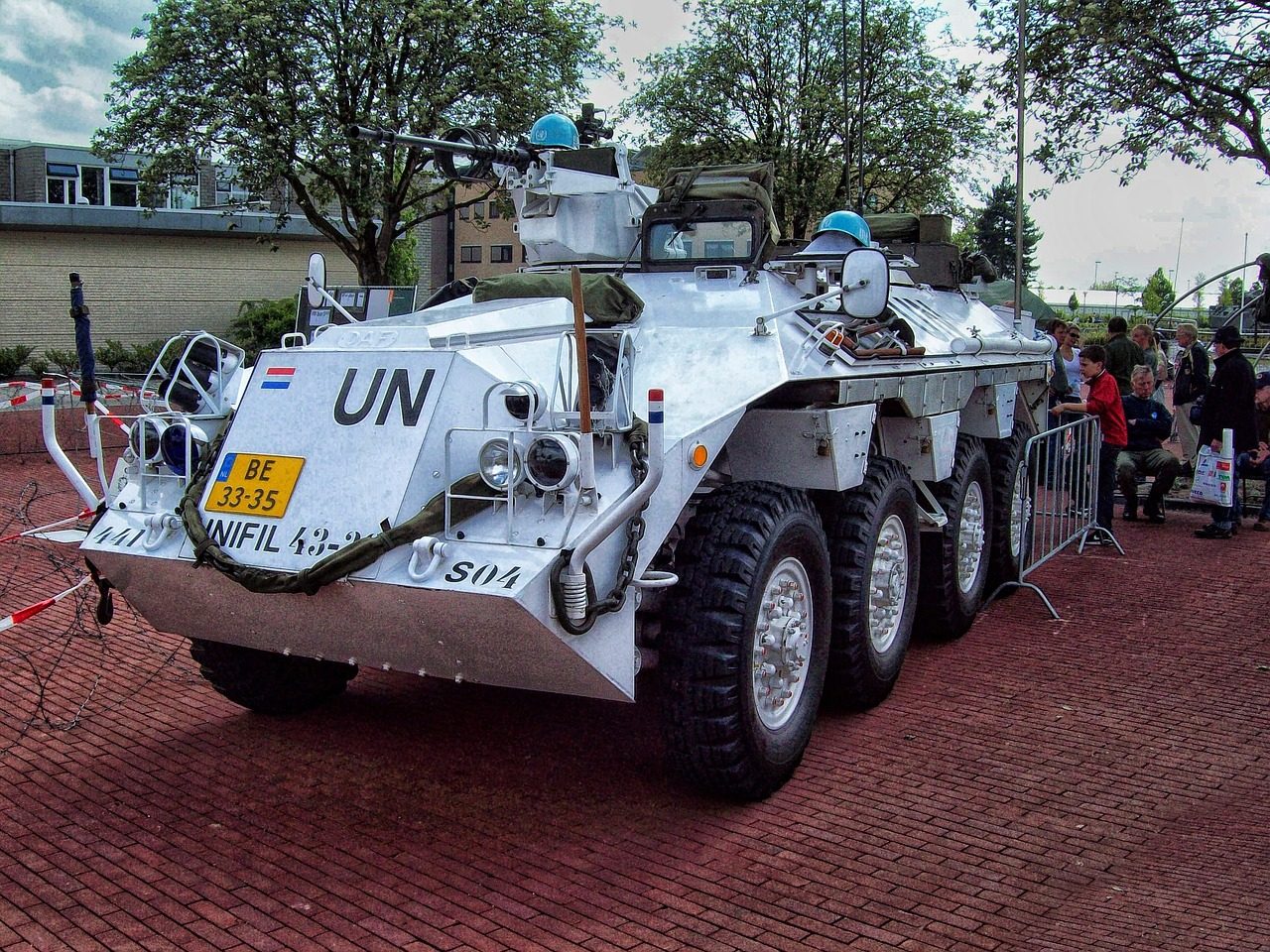
The US envoy to Lebanon and Washington's representative at the United Nations, Michael Waltz, announced from Beirut that amending Resolution 1701 "has become an unavoidable matter," amid Washington's push to end the mission of the international emergency force in southern Lebanon (UNIFIL) and to search for an alternative force with a different composition and different tasks.
Waltz said, at the conclusion of a series of meetings in Beirut that included President Joseph Aoun, then Prime Minister Nawaf Salam, and a third meeting with Parliament Speaker Nabih Berri: "No country can have two armies," expressing his hope and prayer that Hezbollah disarm, and stressing that it should do so voluntarily. He added that restoring full Lebanese sovereignty would be "through the Lebanese Army."
The talks focused on the future of the international presence in the south, Lebanon's vision for the force that would replace UNIFIL, the army's role in the coming security arrangements, along with the "framework agreement" signed between Lebanon and Israel under US auspices, and the exclusivity of arms.
The commander of the Lebanese Army, General Rudolf Heikal, was not included in the schedule of Waltz's meetings, a notable sign, especially since the military institution will be at the heart of any new security formula.
According to the official Lebanese account, Aoun and the US envoy agreed on the principle that there must be no UN vacuum in southern Lebanon after the end of UNIFIL's mandate, while adhering to Resolution 1701 in all its provisions and supporting and strengthening the Lebanese Army to carry out its tasks. The same account stated that Washington does not want to extend the international force's mission in any form, and that France, as the penholder on Resolution 1701, will take on work on the new formula within the Security Council.
The statement from the premiership was more detailed: Salam renewed his affirmation of the necessity of continuing the international presence in the south under a Security Council mandate, provided that it includes the tasks of monitoring, reporting, coordination and communication, and supporting the Lebanese Army in extending the authority of the state. He stressed the translation of the two principles of reciprocity and phasing into practical steps with a clear timetable that ensures parallel progress on the two tracks of full Israeli withdrawal and restricting arms to the hands of the state, with a reliable mechanism to verify the implementation of commitments.
By contrast, the statement from the presidency was brief, contenting itself with outlining the topics of discussion without going into details.
Waltz said that Resolution 1701, which ended a previous war between Hezbollah and Israel in the summer of 2006, formed the basis for UNIFIL's mandate, and that this force had cost a great deal of money over the past twenty years, and that there is a need to reform this track.
Sources — how we know this
- PrimaryAsharq Al-Awsat