BREAKING✓ 1 sourcesEditorialDeveloping
This story is currently available in Αγγλικά only — a translation isn't ready yet.
White House Adds Uzbekistan to Chinese Goods Re-export Risk List
A U.S. administration report titled 'The Great Transshipment Scam' classifies Uzbekistan as a 'minor opportunistic target' — a category that includes more than ten countries: Azerbaijan, Georgia, Kazakhstan, the UAE, Panama, and others.
Ταχύτητα:
ℹ️ Ανάγνωση από τον περιηγητή · στούντιο φωνή AI έρχεται σύντομα
AK
Anna Kuznetsova
· 2 min read
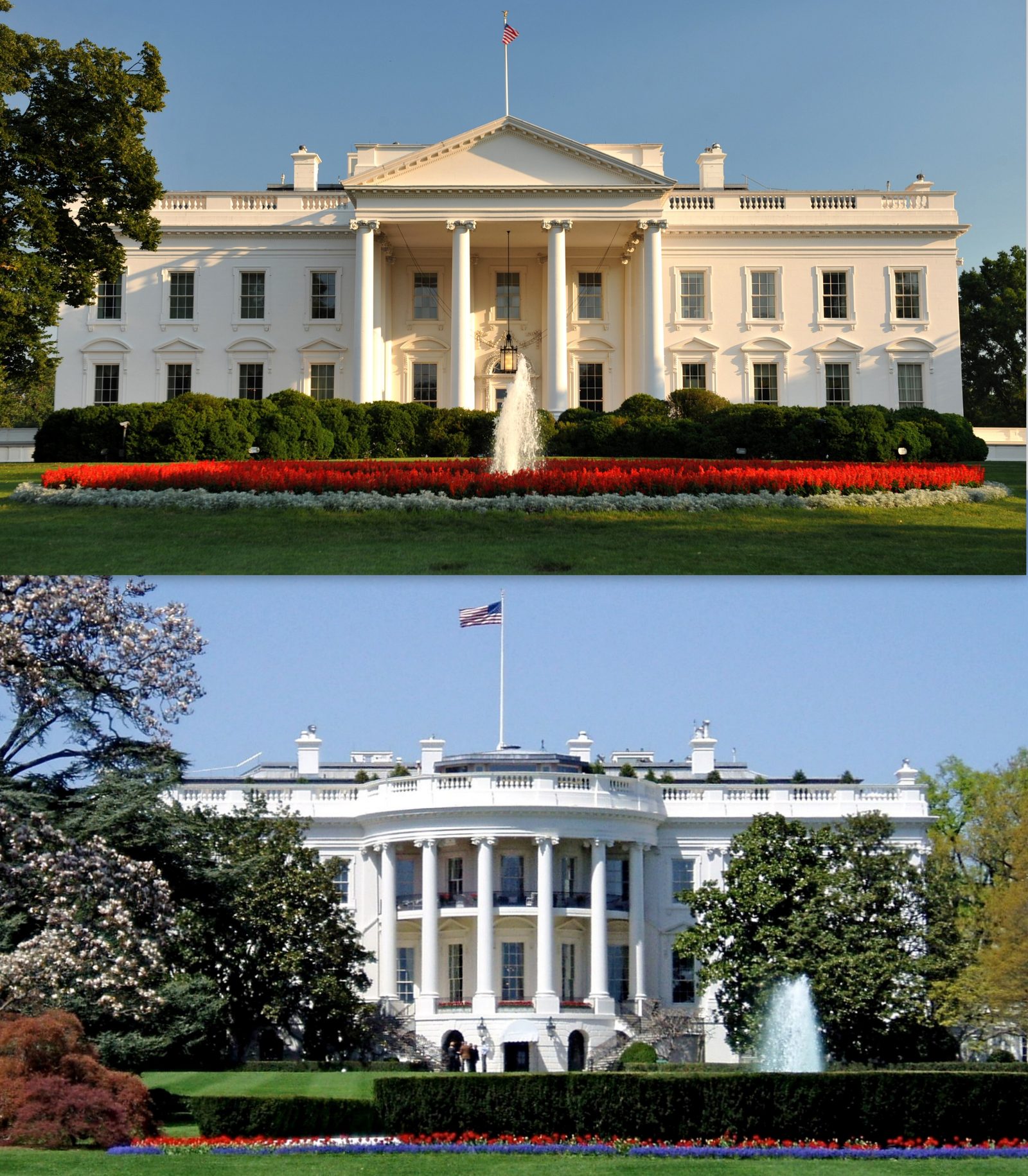
The U.S. administration has placed Uzbekistan on a list of more than 40 countries and territories that the White House considers jurisdictions with elevated risk of illicit re-export of Chinese goods to circumvent American tariffs, according to the report "The Great Transshipment Scam," prepared by the White House Office of Trade and Manufacturing Policy.
Uzbekistan has been classified in the third category — "minor opportunistic targets." The category also includes Azerbaijan, Georgia, Kazakhstan, Jordan, Kenya, Morocco, Panama, the United Arab Emirates, and several other states.
The report's authors characterize countries in this category as attractive for redirecting Chinese goods due to cheap labor, free-trade or special economic zone regimes, access to ports or border crossings, customs warehouses, specialized assembly facilities, or preferential access to the U.S. market.
Separately, the report groups Uzbekistan, Azerbaijan, Georgia, and Kazakhstan into a functional cluster described as "overland Belt and Road hubs."
Sources — how we know this
- PrimaryUzDaily