EuropeVerified
This story is currently available in Αγγλικά only — a translation isn't ready yet.
Brussels Discovers Geopolitics: The EU's Hormuz Awakening Comes at Mexico City Prices
Von der Leyen courts Sheinbaum while the Strait of Hormuz crisis exposes the limits of Europe's diversification doctrine.
Ταχύτητα:
ℹ️ Ανάγνωση από τον περιηγητή · στούντιο φωνή AI έρχεται σύντομα
SM
Sophie Marchand
· 3 min read
The most revealing EU document this week was not a regulation. It was a video message.
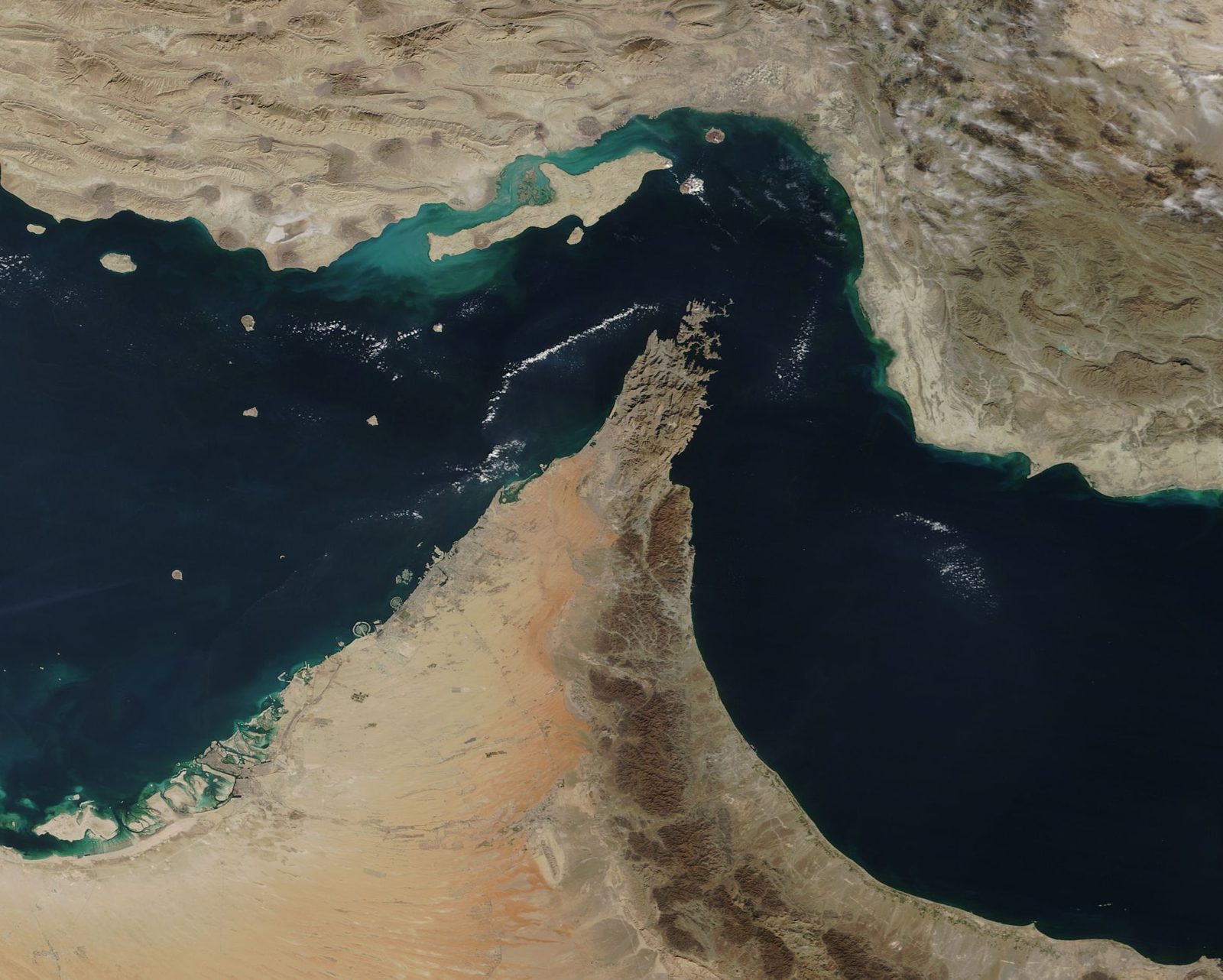
On 4 May, the Commission sent prerecorded remarks to a roundtable on LNG and shipping co-hosted by the CBS Alumni Club and the Columbia Global Energy Centre. The subject: the EU perspective on the closure of the Strait of Hormuz. That a Brussels speechwriter is now drafting institutional language around the word 'closure' tells you everything about how the Iran war has reshaped the Berlaymont's working assumptions.
Meanwhile, on the same day that speech circulated through the policy circuit, Ursula von der Leyen was opening the 8th EU-Mexico Summit alongside President Claudia Sheinbaum. The choreography is not accidental.
Europe is once again diversifying under duress.
I have watched this film before. In 2022 it was Russian gas, and the answer was American LNG, Qatari long-term contracts, and a flurry of Memoranda of Understanding signed in Gulf capitals at speeds that would embarrass a procurement officer. In 2026 it is the Strait of Hormuz, and the answer is, apparently, Mexico, Mercosur ratification, and another round of trips with the same talking points about 'trusted partners' and 'resilient supply chains.'
The markets, for now, are unbothered. The DAX closed today at 24,928.39, up 0.66 percent. The FTSE 100 finished at 23,167.47, up 0.95 percent. The euro is steady against the dollar at 1.1618. If you were reading only the tickers, you would not know that European foreign ministers are, according to Deutsche Welle's reporting this week, jointly calling on Israel to de-escalate while Washington's Secretary of State Rubio describes 'a little bit of movement' in talks to end the Iran war.
"Brussels has perfected the art of writing crisis communiqués in the cadence of a quarterly report — which is precisely why no one outside the building reads them."
Let me translate the institutional choreography into its three real-world consequences.
First, the EU-Mexico Summit is no longer a trade story. It is an energy and critical minerals story dressed in trade clothing. When the Commission talks about 'modernising' the Global Agreement, what it means in practice is locking in non-Gulf, non-Russian access to lithium, copper, and refined products before the next shock. Whether Mexico's industrial base can actually deliver at the volumes Europe imagines is a separate question, and one the Commission's impact assessments tend to handle with admirable vagueness.
Second, the Hormuz file has quietly migrated from DG ENER to the cabinet level. The fact that the EU is now publishing speeches framed around the strait's closure — rather than its possible disruption — signals that contingency planning is no longer hypothetical. Industry estimates have long suggested that a sustained Hormuz interruption would hit European refiners and petrochemicals harder than the 2022 gas shock, because the substitution options are narrower and the shipping insurance market is thinner. The Commission knows this. It is not yet saying so in plenary.