LifestyleVerified
The Road Reopens, and So Does the Table
Azerbaijan's restored land border and rail link with Georgia is more than logistics — it's a reunion of two kitchens that were never meant to be apart.
Ταχύτητα:
ℹ️ Ανάγνωση από τον περιηγητή · στούντιο φωνή AI έρχεται σύντομα
YM
Yelena Mirova
· 4 min read
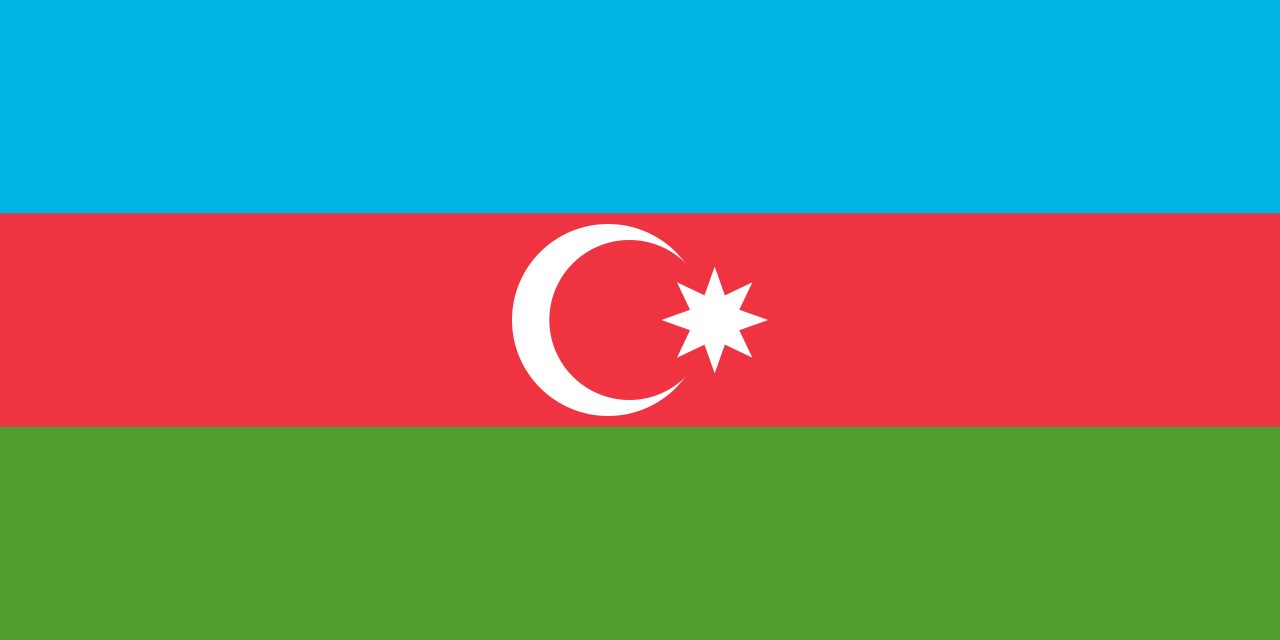
The most consequential news on my beat this week arrived not in the form of a restaurant opening or a chef's manifesto, but in a single infrastructure headline: Azerbaijan is reopening its land border and resuming its rail connection with Georgia.
I read it three times. Then I put the kettle on and called my cousin in Tbilisi.
Borders, to most people, are political facts. To those of us who think in flavors and fermentation cycles, they are something else entirely — membranes through which culture either passes or is held, waiting. The South Caucasus has some of the most consequential membranes on earth. And when they loosen, even slightly, the food moves first.
Let me tell you what I mean.
The corridor between Baku and Tbilisi is not a neutral highway. It is the spine of a culinary civilization that predates both of those capital cities in any recognizable modern form. Pomegranates, walnuts, sour plums, lamb slow-cooked with dried fruits — the flavor logic running through Azerbaijani and Georgian cooking is, at its root, the same logic. A shared grammar written in tamarind and churchkhela, in tkemali and narsharab.
When land crossings close or become difficult, the informal trade that sustains authentic cooking quietly suffocates. The small producers — the woman in Ganja selling her family's dried barberries, the man in Marneuli with his hand-pressed walnut oil — they lose markets. And when small producers lose markets, industrial substitutes fill the shelf. The taste of a region flattens. It becomes a simulacrum of itself.
I have watched this happen. I watched it from a Michelin-starred kitchen in Milan, where I spent years translating Georgian and Azerbaijani ingredients into European fine-dining vocabulary, always aware that the supply chains I depended on were fragile, always aware that somewhere behind the beautiful product on my pass, a grandmother's orchard was either thriving or being slowly abandoned.
Reopening a border is not just geopolitics. It is an act of culinary restitution.
The railway between Baku and Tbilisi has always fascinated me specifically because of what it carries that no one writes about in trade journals: spices tucked into luggage, a jar of aunt's quince preserve, seeds brought to plant in a new garden. Official cargo manifests have never captured the true freight of that line. The real freight is memory in transit.
My grandmother — and here she is, as she always must be — used to say that you can understand a country's history entirely through its pantry. She had lived through enough closed borders to know that a pantry is a political document. The jars she kept, the things she preserved, the lengths she went to in order to maintain access to specific flavors: these were acts of resistance against forgetting.
When the Baku–Tbilisi corridor flows freely, the pantries on both sides deepen. Georgian winemakers in Kakheti find new customers with genuine appreciation for amber qvevri wines. Azerbaijani saffron — some of the most aromatic I have ever worked with, carrying a slightly earthier, more resinous character than its Iranian or Spanish counterparts — moves more easily into Georgian kitchens where it belongs in pilaf and holiday sweets.