EditorialVerified
This story is currently available in Αγγλικά only — a translation isn't ready yet.
The Strait, the restaurant, the pause: three fronts of one bargain
A hit on a Qatari LNG cargo, a Moscow bombing, and Trump's conditional restraint on Iran are not three stories. They are one negotiation.
Ταχύτητα:
ℹ️ Ανάγνωση από τον περιηγητή · στούντιο φωνή AI έρχεται σύντομα
SA
Sherif Al-Mahdi
· 3 min read
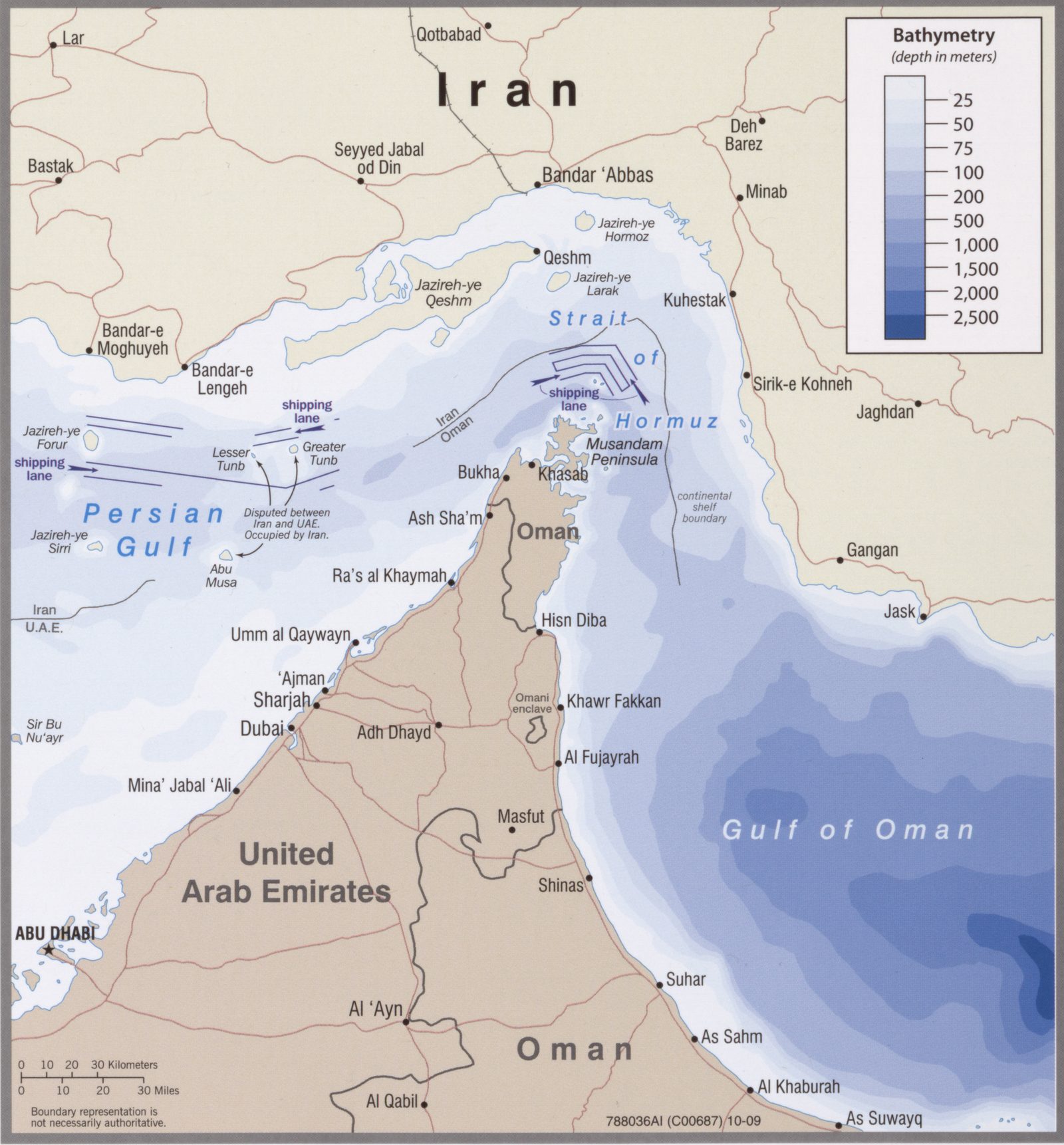
A projectile struck a liquefied natural gas tanker carrying Qatari cargo in the Strait of Hormuz this weekend. Read alone, that is a shipping incident with an oil-price footnote. Read against the two other wires that landed beside it, it is the visible edge of a bargain being drafted in three capitals at once.
The spine of today's brief is this: the Iran file has entered a phase where every actor is signalling through third parties, and the signals are being sent in cargo, in blood, and in presidential language on the same forty-eight hours. Washington's message came from Donald Trump — no new strikes on Iran, for now, if a deal moves rapidly. Moscow's message came in the form of a bomb outside a central restaurant that killed three including the female attacker, a reminder that the Russian security state is negotiating from a home front that is not quiet. And Doha's message, delivered involuntarily by a hit on its own LNG cargo in Hormuz, is that the Gulf's most careful mediator can no longer assume its own shipping is off the table.
The backstage conversation the wires did not carry is the one happening between finance ministries and shipping insurers this weekend. When a Qatari LNG hull is touched in Hormuz, war-risk premiums on that corridor reprice within hours, and the reprice moves through charter rates, through delivered gas prices in Europe and Asia, and eventually through the industrial power bills that shape next quarter's manufacturing margins. That is the negotiation: how much of the Iran-file risk the market is being asked to absorb while diplomats buy time. Trump's restraint language is calibrated to keep that absorption manageable. It is not a peace signal. It is a pricing signal.
For the reader in Cairo, Amman, Riyadh or Dubai, the transmission is direct. A sustained war-risk premium on Hormuz raises the landed cost of the LNG that keeps regional grids running through what is still a punishing summer. It raises the fuel bill for any business that runs its own generation. It tightens the dollar squeeze on importers whose letters of credit are already priced against a nervous rate curve. And for the Egyptian household watching subsidy conversations move through the budget cycle, it means the fiscal room the government has to smooth energy prices just got narrower, quietly, over a weekend, without a single domestic headline.
There is a second-order effect worth naming. Cairo's foreign minister was in Kampala this weekend discussing Nile cooperation and regional security with President Museveni. That meeting looks unrelated. It is not. When the Gulf corridor is under pressure, Egypt's southern and Red Sea files become more valuable as leverage — food routes, water diplomacy, the Horn. The diplomacy widens because the maritime chokepoint narrows. Watch how quickly Gulf capital follows Egyptian diplomacy south over the coming weeks.
The protective reading. This is not a week to make large irreversible decisions on the assumption that the Iran file resolves cleanly, and it is also not a week to act as if escalation is scheduled. It is a week to ask three questions. Ask your accountant what a two-to-four week spike in energy and shipping costs does to your Q4 working capital. Ask your employer, if you are in a business exposed to Gulf logistics, what the contingency routing looks like and who pays for it. Ask your family what the household budget looks like if the fuel and electricity line stays elevated into the autumn. Watch, this week, the war-risk premium quotes on Gulf shipping and the language coming out of Doha. Those two indicators, together, will tell you whether the bargain is holding or fraying, well before any communiqué does.
⚡
Autonomous PickMarketplace
Energy Portfolio
Check your broker for the latest on energy stocks.
View Now →