AgendaVerified
This story is currently available in Αγγλικά only — a translation isn't ready yet.
US Equities Print a Record on Hormuz Optimism. The Pegs Print 3.7500 and 3.6725.
Wall Street rallies on the prospect of reopened shipping lanes. Riyal and dirham do what they always do — nothing.
Ταχύτητα:
ℹ️ Ανάγνωση από τον περιηγητή · στούντιο φωνή AI έρχεται σύντομα
KA
Karim Al-Rashidi
· 2 min read
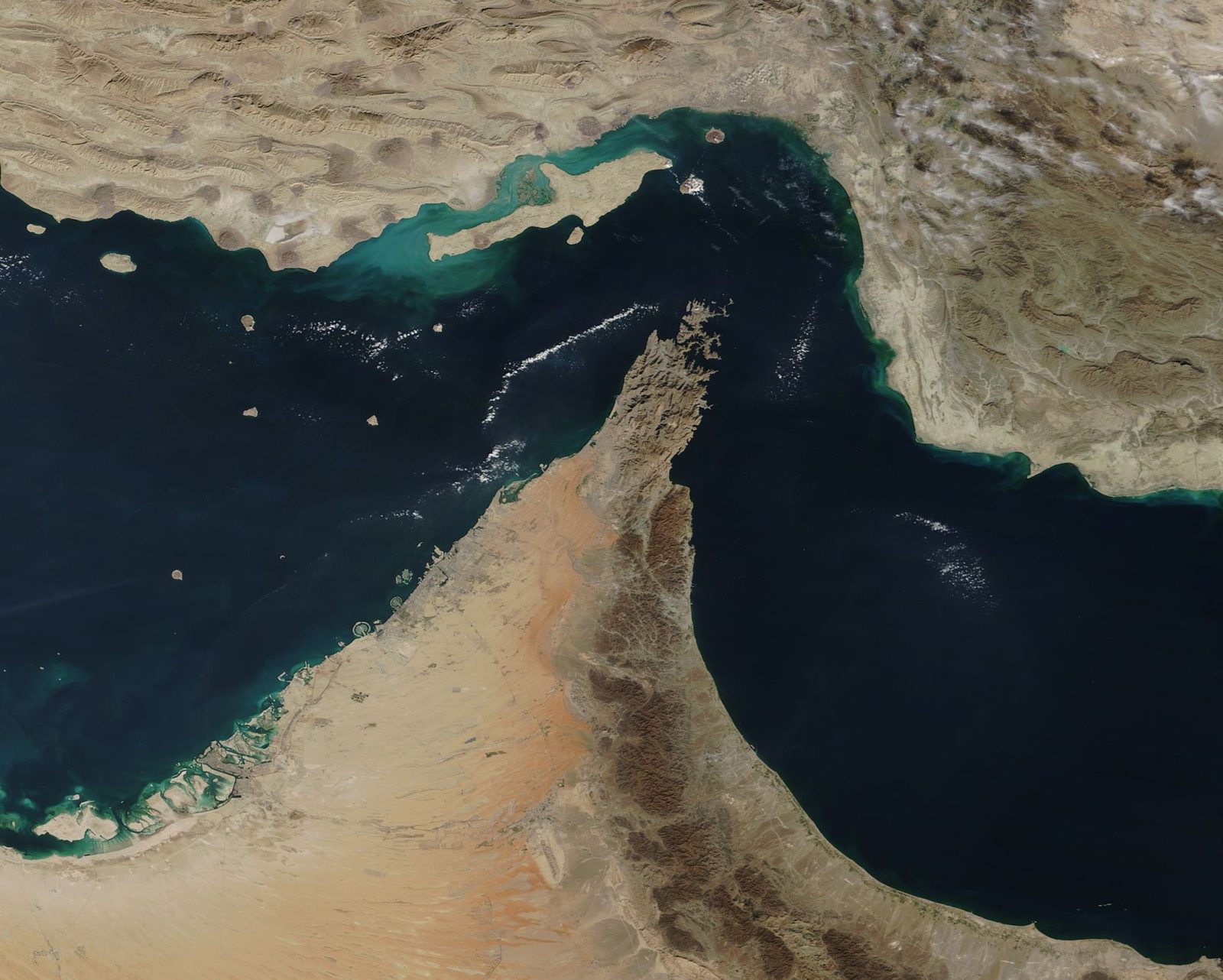
Overnight, US equities closed at a record. The trigger was not earnings, not a data print, not a policy shift — it was progress in talks to reopen the Strait of Hormuz, brokered with Doha's mediation. Oil fell on the same headline. Two prices, one story, and both of them told the Gulf reader something before breakfast.
Start with the anchors. USD/SAR opened at 3.7500. USD/AED opened at 3.6725. These are the same numbers you read here yesterday, last month, and — barring a policy earthquake — next quarter. That is the point. When the world's largest equity market prints an all-time high on the possibility that oil tankers might once again transit a strait, the currencies most exposed to that strait do not move because they are not allowed to. The dollar-pegs absorb the shock into reserves, not into price. What you see instead is the second-order transmission: sovereign issuance windows, project finance spreads, and the pricing of forward oil hedges.
The mechanism is worth stating cleanly. Equity records lower the cost of capital globally. Falling oil lowers the revenue side of every Gulf sovereign budget built at higher assumed prices. The peg means the monetary offset available to, say, an emerging-market central bank — cutting rates to soften an oil shock — is not available here. SAMA and the CBUAE move when the Fed moves, full stop. So the adjustment happens through fiscal choices and debt issuance, which is why the sovereign curves matter more than the FX screen most mornings.
US weekly crude production sits at 13,796 thousand barrels a day as of late July — near the ceiling of what the American shale complex has ever produced. That number is the quiet backdrop to every Hormuz headline. If the strait reopens smoothly, Brent has one direction to go in the short term. If it does not, the marginal barrel is already sitting in Texas, and the Gulf's pricing power is being renegotiated in real time. Neither outcome moves 3.7500 or 3.6725. Both change the fiscal arithmetic behind them.
Three things to watch into today's session. First, the ADNOC benchmark transition — traders are winding down positions on the UAE exchange, and the liquidity migration will show up in settlement volumes this week rather than in a headline. Second, Riyadh's diplomatic tone: the Crown Prince has publicly urged dialogue, which is a sovereign risk signal dressed as a foreign policy line. Third, the Doha channel. If mediators announce a concrete step, expect Brent to give back more of its risk premium before the London open.
One closing observation. A record equity high built on the hope that ships will move through a specific body of water is a market telling you what it thinks the tail risk was. The pegs, sitting at their published rates, are telling you nothing at all — which, on a morning like this, is the most useful information on the screen.