EuropeVerified
Brussels' Quiet Test: When a Cruise Ship, a Virus and the Schengen Map Collide
A hantavirus scare on a vessel bound for Tenerife is exposing the gaps the EU's health-security architecture was supposed to have closed.
Speed:
ℹ️ Browser-based reading · AI studio voice coming soon
SM
Sophie Marchand
· 3 min read
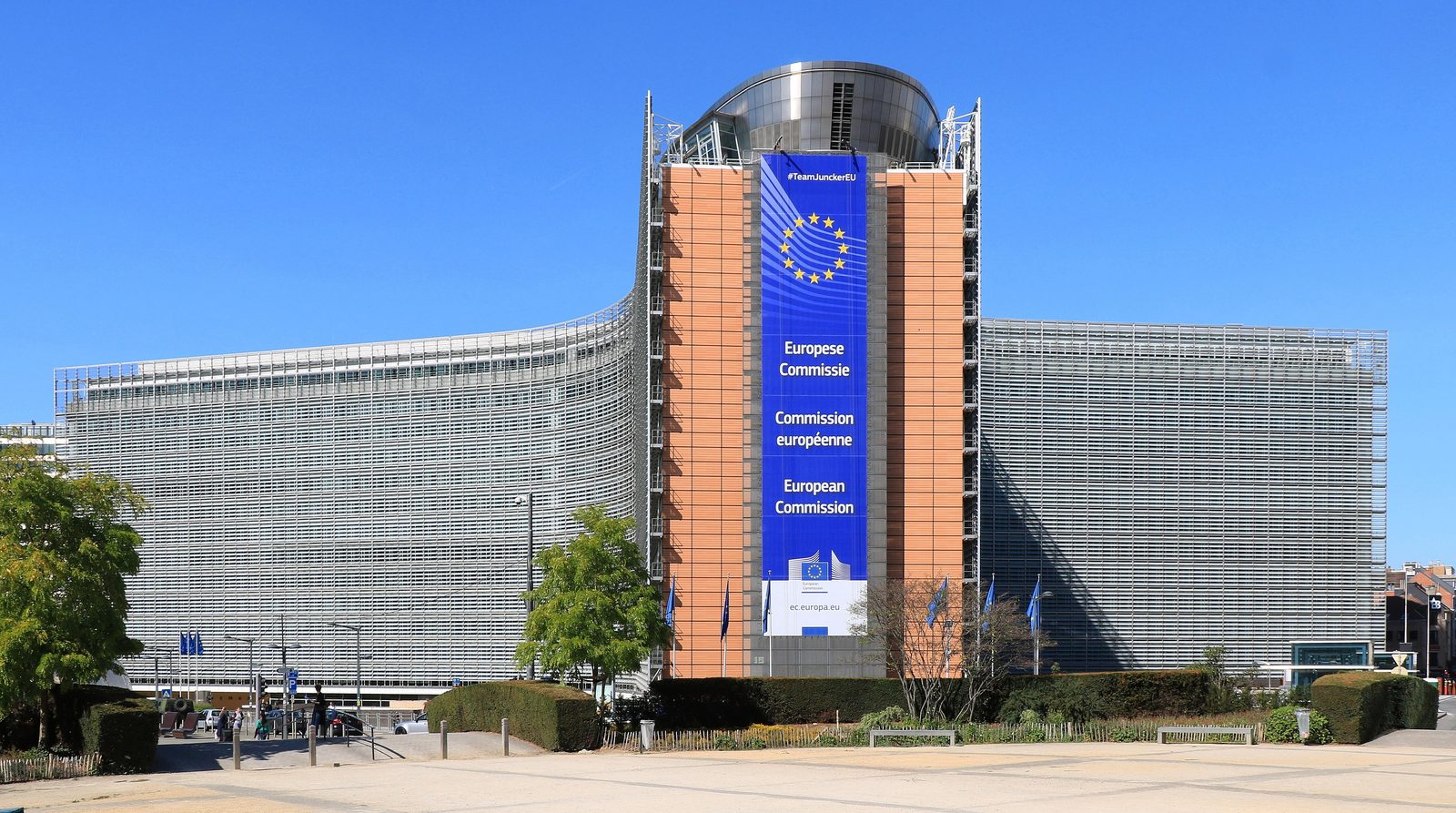
The MV Hondius is due to dock in Tenerife on Sunday with eight suspected hantavirus cases on board. That single sentence, reported across Spanish and Dutch media this week, is the most consequential European story of the moment — not because of the virus itself, but because of what it reveals about how the Union actually functions when a cross-border health event lands at a member state's port.
Let me be precise about what we know. El País reports that foreign passengers will be repatriated. A possible linked case has surfaced in Spain via a KLM flight, according to Dutch reporting. The president of the Canary Islands, Fernando Clavijo, has said publicly that he will not rest until the planes carrying passengers home have taken off.
That is the entirety of the confirmed picture. Everything else — the coordination, the legal basis, the financing of repatriation flights, the contact tracing across at least two member states and a third-country crew — sits in the grey zone the EU has spent the past five years insisting it had legislated away.
It had not.
After the pandemic, Brussels rebuilt its health-security toolkit. The reinforced mandate of the European Centre for Disease Prevention and Control, the Health Emergency Preparedness and Response Authority, the Serious Cross-Border Threats to Health Regulation — each was sold as the answer to exactly this scenario. A vessel under a non-EU flag, passengers of multiple nationalities, a zoonotic pathogen, and a regional government in the Atlantic periphery improvising in real time.
Watch what happens this weekend and you will learn more about the real distribution of power in European health policy than any Commission communication will tell you.
Three consequences are already visible to anyone who reads the files.
First, the burden falls on the region, not the Union. Tenerife's port authority, the Canary Islands' health service and the Spanish central government are doing the operational work. HERA exists to pre-position countermeasures and coordinate procurement; it does not run quaysides. The political accountability — and any backlash from a nervous local population, which El País has already documented — will be entirely Spanish. That is by design, and it is the design member states wanted.
> The EU built a health-security architecture that is impressive on paper and invisible on a quayside in Tenerife.
Second, the Schengen question is back, uninvited. The Dutch cabinet this week pushed for faster deportations and tighter border checks, per DutchNews — a domestic political story, but one that intersects awkwardly with a possible hantavirus case traced to a KLM flight. Every cross-border health event in 2026 will now be metabolised through the migration debate, whether the epidemiology justifies it or not. Officials in DG SANTE know this. They are bracing for it.
Third, the repatriation logistics expose a financing gap nobody likes to discuss. When non-EU nationals must be flown home from an EU port for public-health reasons, who pays? The flag state of the vessel? The countries of citizenship? The host member state? The Union Civil Protection Mechanism can be activated, but it is reimbursement-based and slow. Industry observers have long noted that cruise-sector incidents sit in a jurisdictional seam the post-pandemic legislation did not fully stitch closed.