Hormuz Shadow Over $99 Oil: Central Asia's Pipelines Just Became Strategic Assets
With Gulf tensions spiking and Brent at $118, the transit corridors through Kazakhstan are no longer a backup plan. They are the plan.

WTI hit $98.99 a barrel this morning. Brent, on the EIA's most recent data, is sitting at $118.26. That spread tells you something important: physical barrels in the right places are worth a premium the paper market hasn't fully priced yet.
Now read the headlines out of the Gulf. Reports indicate the UAE has been conducting covert operations against Iran. A senior Saudi royal is publicly discussing how Riyadh sidestepped an Israeli push that could have set the region ablaze. Saudi crude exports to China are reportedly heading for a sharp drop in June. These are not isolated data points. They are a pattern.
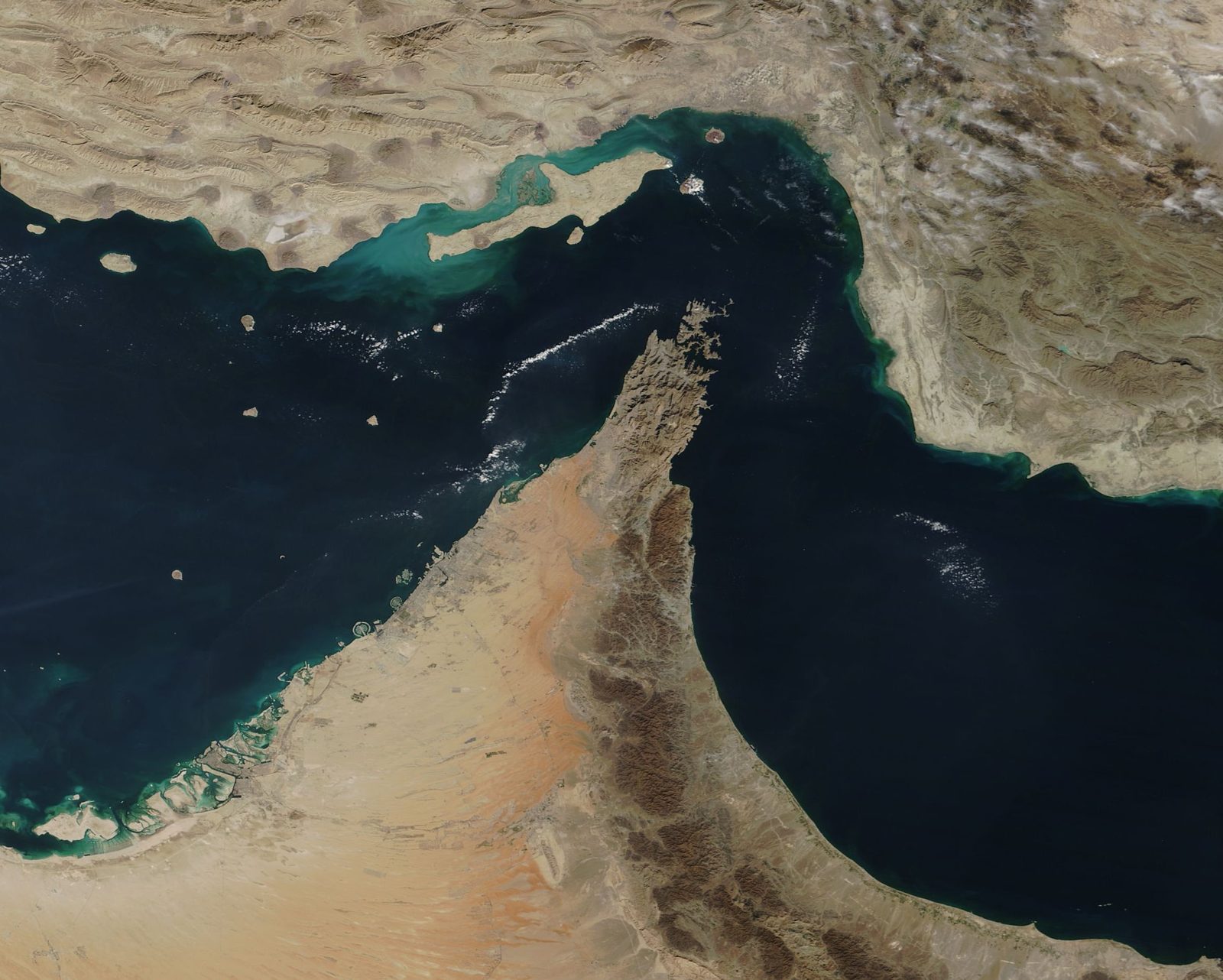
The Strait of Hormuz handles roughly a third of the world's seaborne oil. When credible reporting suggests two Gulf states are already in kinetic or near-kinetic confrontation with Tehran, the risk premium on every barrel that transits that chokepoint goes up — quietly at first, then suddenly.
This is where Kazakhstan enters the frame. The Astana Times is reporting that as Hormuz tensions rise, Central Asia's role as a transit hedge is growing. That framing is accurate, but it undersells the shift. We are not talking about a hedge anymore. We are talking about an alternative architecture.
The existing corridor — Caspian pipeline capacity feeding west toward the Black Sea and on into European and Asian markets — was built for commercial logic. It is now being stress-tested for geopolitical logic. Those are different standards. The infrastructure was not designed for the volumes that a serious Hormuz disruption would demand.
Kazakhstan's oil sector has been producing at levels that strain its current export infrastructure even in calm conditions. Industry sources consistently flag maintenance backlogs, seasonal Caspian weather constraints, and the political complexity of transit rights through Russia. That last point matters enormously. USD/RUB sits at 73.65 today — the ruble is under modest pressure, and Moscow's leverage over Central Asian transit is a tool it has not hesitated to use before.
So here is the real question: can the trans-Caspian route, bypassing Russian territory entirely and moving volumes through Azerbaijan and Turkey, scale fast enough to matter? The short answer is not yet. The longer answer is that serious money is now asking the question, and that changes investment calculus.
US crude production, at 13,573 thousand barrels per day as of the most recent weekly data, provides some buffer for global markets. American shale is the world's swing producer on paper. But shale cannot replace Gulf barrels for Asian refiners running on long-term Saudi and UAE supply contracts. The geography does not work. The refinery configurations do not work.
Natural gas adds another layer. Henry Hub is at $2.933 — cheap by recent historical standards. But European and Asian LNG spot prices operate in a different universe from Henry Hub, and any Gulf disruption that chokes LNG tanker routes through the Strait of Hormuz would reprice the entire market within days.
The Kazakhstan-Brazil trade partnership announcement — targeting $1 billion in bilateral commerce — looks like diplomatic housekeeping at first glance. It is not. Astana is methodically building a network of relationships that are not routed through Moscow or Washington. That is a sovereign hedge, and energy is the underlying asset making it possible.
Cushing inventories stand at 29,124 thousand barrels. Adequate, not comfortable. Any demand surge driven by re-routing or supply disruption would draw those stocks down fast.
I have watched energy corridors get redrawn twice in my career — once after the Soviet collapse, once in 2022. Each time, the physical infrastructure that existed at the moment of crisis determined who had leverage and who was exposed.
The pipelines running through Central Asia right now are not designed for crisis-scale volumes. Whether they get upgraded before the next crisis lands is the only question that matters.