Tehran Plays the 90 Percent Card, and Brent Barely Blinks
Iran threatens weapons-grade enrichment and rattles Hormuz. Oil drops a buck. The market knows something the diplomats won't say.

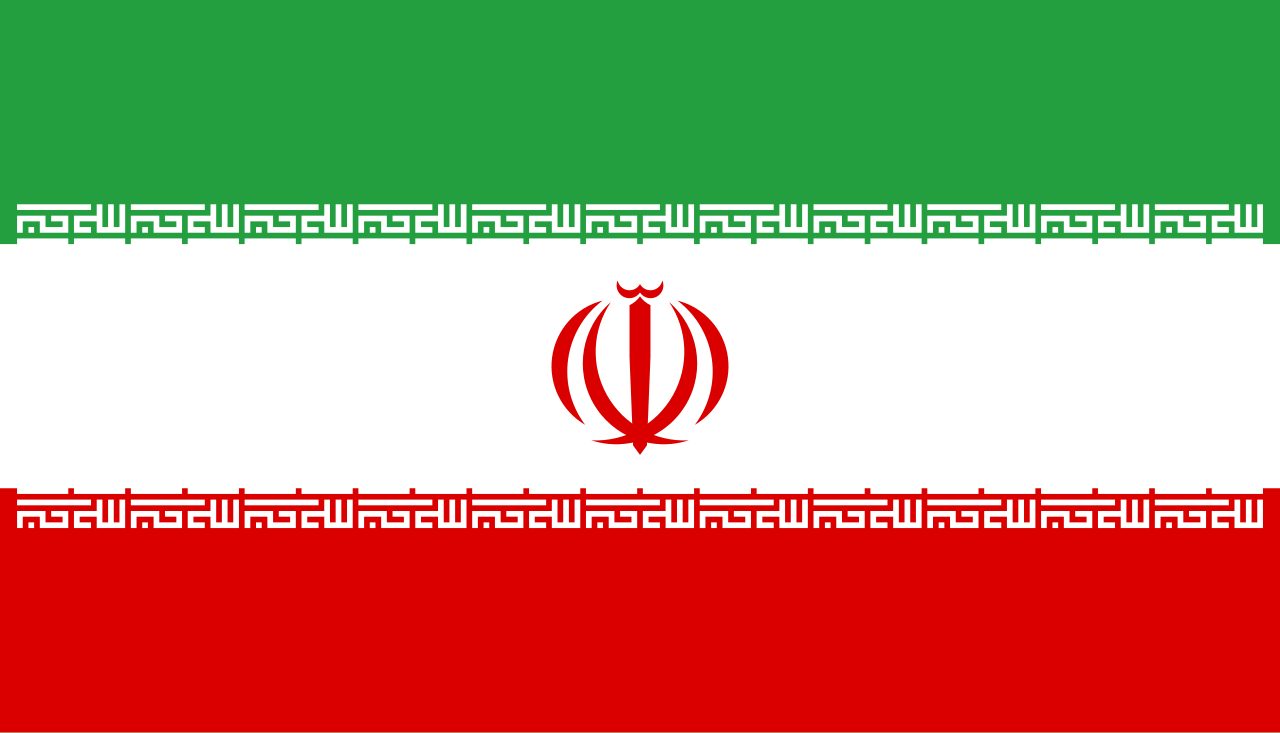
Brent settled at $106.44 this morning, down 0.94 percent on the day. That is the entire market response to Iran threatening to enrich uranium to ninety percent and reposition forces around the Strait of Hormuz.
Let that sink in. The Islamic Republic floats the nuclear threshold word — ninety, the number that exists for one purpose only — and the price of crude goes down.
I have been reading oil tape since Aleppo. Markets are not stupid. They are cynical. And right now they are telling us that Tehran's escalation, reported this week by regional outlets including Daily News Egypt, is being read as theatre rather than threshold.
I am not sure they are right.
Let me explain what is actually happening, because the cable-news framing is, as usual, useless.
Iran's leadership has spent the better part of a decade calibrating its nuclear ambiguity. Sixty percent enrichment was the loud whisper. Ninety is the shout. The technical leap from one to the other is, by all credible accounts in the open literature, weeks of cascade work — not years. Anyone who tells you otherwise is selling a think-tank subscription.
So when Tehran signals it could go to ninety, the signal is not really about centrifuges. It is about the negotiating table that does not currently exist. It is about reminding Washington, Riyadh, and Tel Aviv that the clock the West thought it was running is in fact running in Persian.
"The market is pricing peace through exhaustion. Tehran is pricing leverage through proximity to the bomb. Only one of these calculations can be right."
The Hormuz posture is the other half of the message. Roughly a fifth of seaborne crude transits that strait on a normal day — that figure is in every energy-security primer ever written. Iran does not need to close it. It needs you to believe it could. Insurance premiums do the rest of the work, and they do it without a single missile fired.
And yet — Brent fell. Why?
Three reasons, none of them comforting.
First, the market has cried wolf on the Gulf for so long that genuine escalation now requires visible kinetic action to move price. Rhetoric is discounted to zero. That is dangerous, because it incentivises whoever wants attention to provide the kinetic action.
Second, demand signals are softening underneath the geopolitics. I will not pretend to quote a specific figure I do not have in front of me, but anyone watching industrial output across the major consuming economies can see the trendline. A war premium can be eaten alive by a recession premium.
Third — and this is the one nobody in Brussels wants to say out loud — there is a quiet assumption that the Trump administration will cut some kind of transactional deal. The same week the White House is calling Cuba a failed nation and tightening that screw, it is sending unmistakable signals elsewhere that pressure is a prelude to negotiation, not a substitute for it. Markets have noticed. Tehran has noticed too.
Meanwhile, the rest of my beat is doing what my beat always does — providing the supporting cast for the main drama.
In Moscow on Victory Day, Vladimir Putin signed a treaty deepening allied cooperation with Alan Gagloev, the de facto leader of Georgia's Russian-occupied Tskhinvali region. Read that sentence twice. The Kremlin is formalising what it already controls, because formalisation is what you do when you expect the international order to be too distracted to object. Distracted by what? Look at the Strait of Hormuz.
In Paris, the French National Assembly adopted a resolution condemning Georgian Dream's illiberal and authoritarian drift and calling for sanctions against Bidzina Ivanishvili. A useful gesture. Also a lonely one. Where, exactly, is the European Council on this? The asymmetry between parliamentary courage and executive paralysis is becoming the signature of this decade.
And in Astana, Kazakhstan is quietly hosting the Berne Union spring meeting and positioning itself as an investment hub while signing decrees to push artificial intelligence into secondary schools. I have written before that the smart middle powers are the ones using this moment of great-power distraction to build, not to posture. Tokayev is running that playbook with a discipline that should embarrass larger capitals.
But back to Tehran, because that is where the next six months will be decided.
The question I am sitting with tonight, notebook open on a café table in a city I will not name: if ninety percent enrichment is a bluff, why is it being made now, when the American administration has shown itself most willing to deal? And if it is not a bluff — if the centrifuges are already spinning toward the threshold — then what is Brent at $106 actually telling us?
Maybe that the market has stopped believing in red lines. Maybe that it has simply stopped looking.
Which of those is worse?