EuropeVerified
The Beijing Handshake and Brussels' Awkward Silence
While Trump and Xi reset the world's most important bilateral, the EU is left rehearsing a strategic autonomy script no one in Washington or Beijing is reading.
Speed:
ℹ️ Browser-based reading · AI studio voice coming soon
SM
Sophie Marchand
· 3 min read
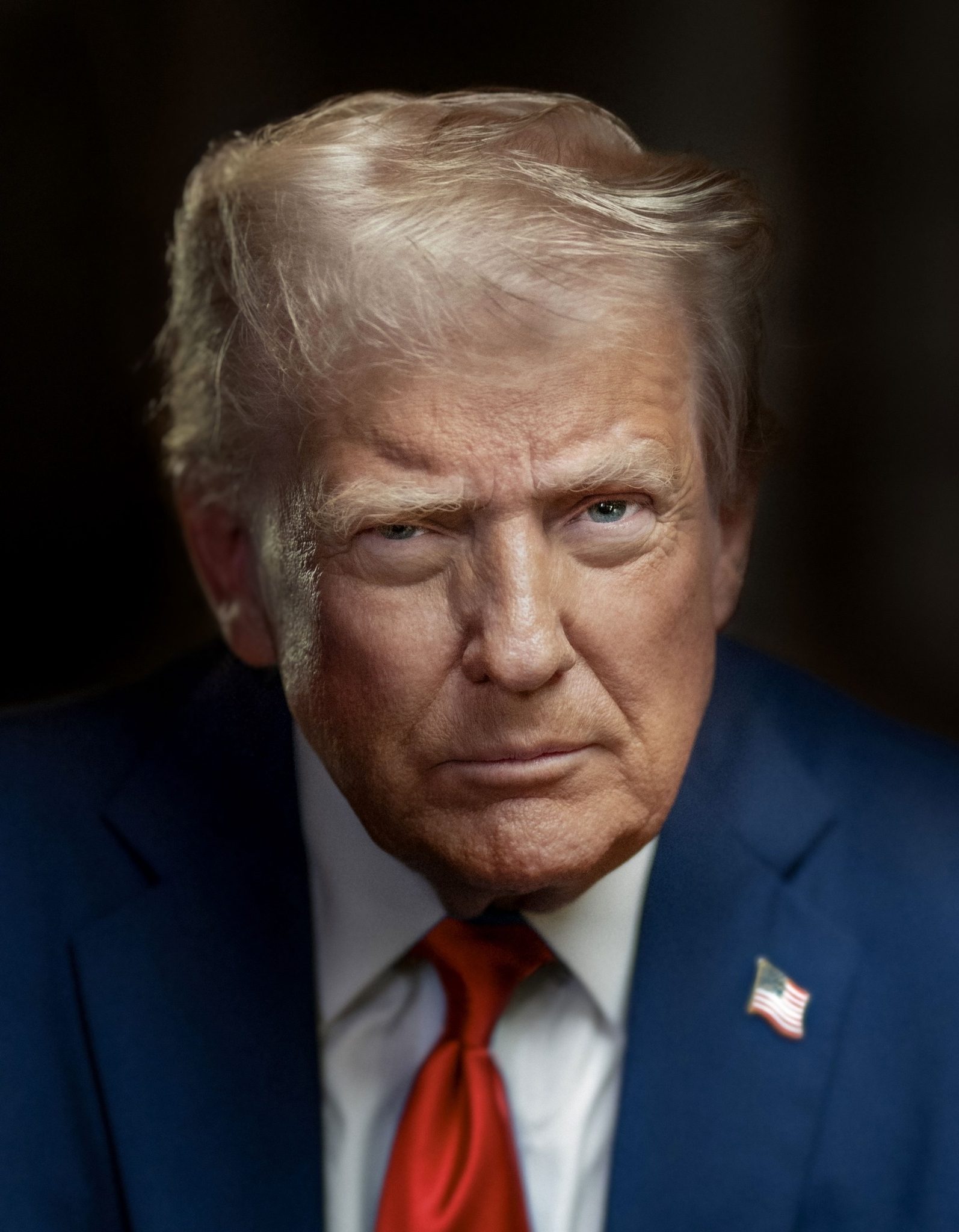
The most consequential development on my beat this week did not happen in Brussels. It happened in Beijing, where Presidents Trump and Xi opened a summit that El País and Deutsche Welle both confirm is the first visit by a sitting US president to China in nine years.
Trump's line — that the relationship 'is going to be better than ever' — was delivered with the casual confidence of a man who knows the European Union is watching and was not invited.
That absence is the story.
For three years, the Commission has built its external doctrine on a single proposition: that Washington and Beijing were locked in a structural rivalry, and that Europe's role was to be the indispensable third pole. The 'de-risking' vocabulary, the Anti-Coercion Instrument, the Foreign Subsidies Regulation, the outbound investment screening proposals — all of it was scaffolded onto an assumption of permanent transatlantic alignment against Chinese economic statecraft.
That scaffolding is now creaking.
Markets, for what it is worth, have not panicked. The DAX closed at 24,136.81, essentially flat, and the FTSE 100 ticked up 0.27% to 22,528.37. European investors are pricing this summit as theatre, not rupture. They may be right. They may also be early.
Because the second-order consequences for EU legislation are already visible to anyone who reads the files.
First, the AI Act's general-purpose model obligations were drafted on the assumption that the United States would, in time, converge toward something resembling the European risk-based framework. The confirmation of Kevin Warsh at the Federal Reserve — reported by DW — is a small but telling signal of the broader deregulatory direction in Washington. Brussels is now the only major jurisdiction holding the line, and 'only' is an expensive place to stand when your compliance costs fall disproportionately on European firms.
Second, the Digital Markets Act enforcement pipeline assumed American political cover would remain, at worst, indifferent. A Trump-Xi détente that includes any commercial component — and these things always do — gives the US administration fresh incentive to treat DMA fines on US gatekeepers as a bilateral grievance rather than a regulatory matter. Expect the Section 301 vocabulary to reappear in Commissioner inboxes by autumn.
Third, and least discussed, is the Gulf dimension. EU-GCC negotiations on a strategic partnership have been moving, slowly, on the premise that the Gulf needed Europe as a hedge against US-China bipolarity. If that bipolarity softens into something more transactional, the hedge loses value. Riyadh and Abu Dhabi read summits in Beijing very carefully. So does Doha.
"Strategic autonomy was always a phrase that worked best when the other two poles were busy fighting each other."
I do not write this with any pleasure. I spent ten years inside the Berlaymont watching colleagues build a genuinely sophisticated regulatory architecture, and most of it is good law. The General Court will uphold most of it. The problem is not legal; it is geopolitical.