EuropeVerified
The EU's Middle East State Aid Framework Is a Stress Test for European Solidarity
Brussels just created an emergency toolkit for the Gulf crisis. The real question is who gets to use it — and who pays the price.
Speed:
ℹ️ Browser-based reading · AI studio voice coming soon
SM
Sophie Marchand
· 3 min read
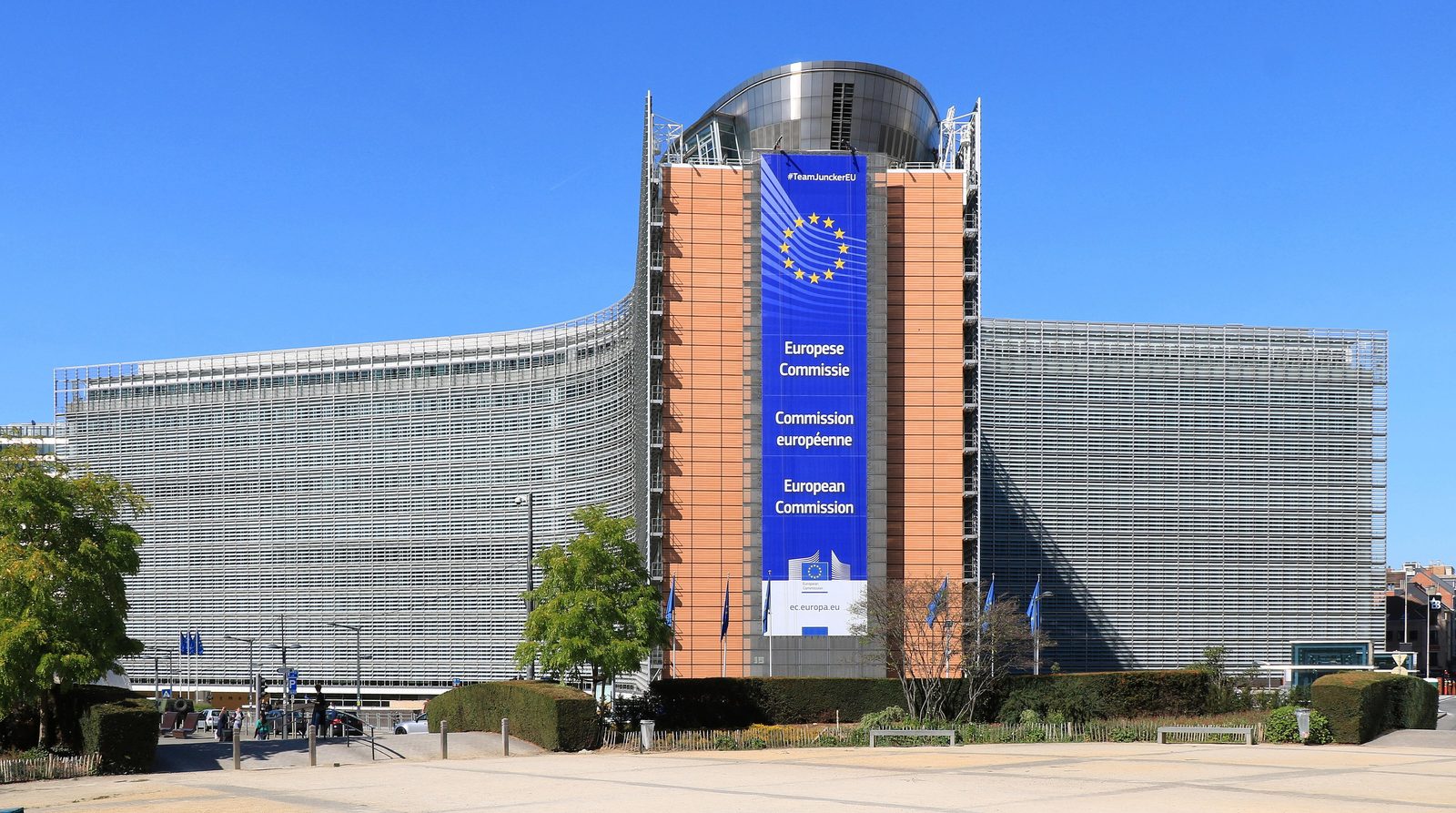
Two months into the Middle East crisis, the European Commission has done what it does best in emergencies: it has created a framework. Executive Vice-President Teresa Ribera announced this week what she called the biggest disruption-response mechanism since the pandemic — a Temporary State Aid Framework designed to cushion European businesses from the economic shockwaves emanating from the Gulf.
I have read a great many State aid frameworks in my years in Brussels. This one deserves attention not for what it permits, but for what it reveals about the fragility of European economic unity.
The mechanism, on its surface, is elegant. It allows member states to provide emergency support to companies affected by supply chain disruptions, energy price volatility, and the sudden reconfiguration of trade routes that the crisis has imposed. The language is familiar — we saw similar provisions during COVID-19, during the energy crisis following Russia's invasion of Ukraine. Brussels has become rather practiced at emergency rulemaking.
But here is the uncomfortable truth that the framework's architects understand but cannot say aloud: a State aid framework is only as useful as the fiscal space a member state possesses. Germany can deploy billions in support. Greece cannot. Poland will have different priorities than Portugal.
This is not a bug. It is the fundamental architecture of European economic governance.
The timing matters enormously. The European Central Bank meets today in circumstances that, as financial observers have noted, depend heavily on events happening thousands of kilometers away. The ECB is caught between inflation concerns that would counsel restraint and economic disruption that might demand stimulus. With the euro trading at 1.1659 against the dollar and Frankfurt's DAX down 0.49% to 23,954.56, the markets are watching closely for any signal of coordination — or its absence — between monetary and fiscal responses.
London's FTSE 100, down 0.87% to 22,200.87, tells a similar story of investor unease.
"The framework exists. The question is whether it will be used to preserve the single market or to fragment it further."
What Ribera's announcement does not address — and cannot address — is the political economy of selective resilience. When France supports its aerospace sector and Hungary supports its pharmaceutical manufacturers and Spain supports its agricultural exporters, they are all following the rules. They are also, inevitably, making choices about which European workers and which European industries deserve protection.
I spent enough years inside the Berlaymont to recognize the constraints under which my former colleagues operate. The Commission cannot mandate solidarity. It can only create the conditions under which solidarity becomes rational. The Middle East crisis framework attempts precisely this — setting parameters broad enough to be useful, narrow enough to prevent abuse.
The abuse, however, is not what concerns me most. It is the quiet divergence.