The Gulf Is on Fire — And Football's Biggest Bet Is Right in the Middle
As regional tensions reshape the Middle East, the Saudi Pro League's grand ambition faces its most consequential stress test yet.
Forty-three seconds. That is roughly how long it takes for breaking news from this region to detonate across the football transfer market right now. This week, that detonation feels different.
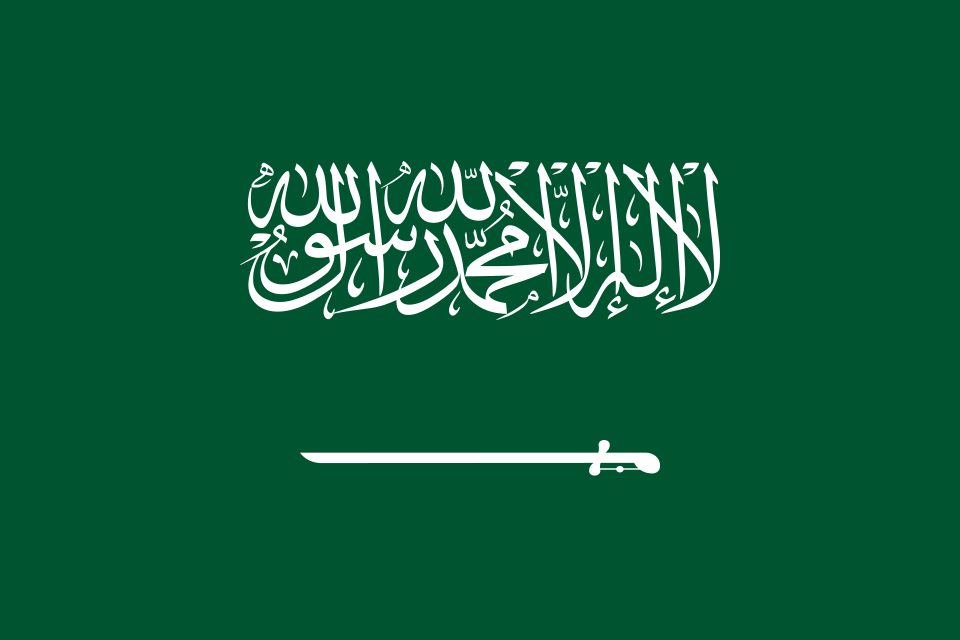
The Middle East Eye is reporting that a senior Saudi royal says the Kingdom actively avoided an Israeli plan to, in their words, 'plunge region into ruin.' Read that again. A senior royal. On the record. That is not background noise — that is the stage on which the Saudi Pro League is trying to build the most audacious sports project of the twenty-first century.
I have covered six World Cups. I have watched football expand into every corner of the globe. But I have never seen a league attempt to grow its global brand while simultaneously navigating the level of geopolitical turbulence swirling around the Gulf right now. The WSJ report on covert operations involving the UAE, the diplomatic back-channels on Iran visible through the Rubio-Witkoff meetings in Miami — this is not the backdrop you want when you are trying to convince a 29-year-old Brazilian or a 31-year-old French midfielder that Riyadh is the next chapter of his career story.
And yet. The Saudi Pro League has not blinked.
Industry estimates continue to place the league among the top five in global wage expenditure. The infrastructure investments — training facilities, broadcast deals, youth academies — are locked in for the long term. Vision 2030 is not a press release. It is concrete being poured while the world watches.
Here is what I keep coming back to as a former goalkeeper: the best keepers do not flinch at the noise of the crowd. They read the trajectory of the ball. Right now, the trajectory of Gulf sport still points upward, even as the political atmosphere crackles with electricity that would have grounded lesser ambitions years ago.
The league's leadership has shown, over recent seasons, that it understands something Western sports executives are only beginning to absorb: in this region, sport is statecraft. Every marquee signing is a diplomatic signal. Every packed stadium is a sovereignty statement.
'When geopolitics shakes the walls, sport in the Gulf does not stop — it gets louder.'
The question that will define the next 18 months is not whether the Saudi Pro League can attract talent. It already can. The real question is whether it can retain credibility — with players, with fans, with global broadcast partners — as the region around it navigates one of its most complex diplomatic moments in a generation.
I genuinely do not know the answer. And I have not been this unsure, or this riveted, in years.