The New Gatekeepers: How Gulf Influencers Are Rewriting Celebrity Access Rules
From Cannes to Coachella, the old publicist-magazine ecosystem is being replaced by something stranger — and more lucrative. I've watched it happen in real time.
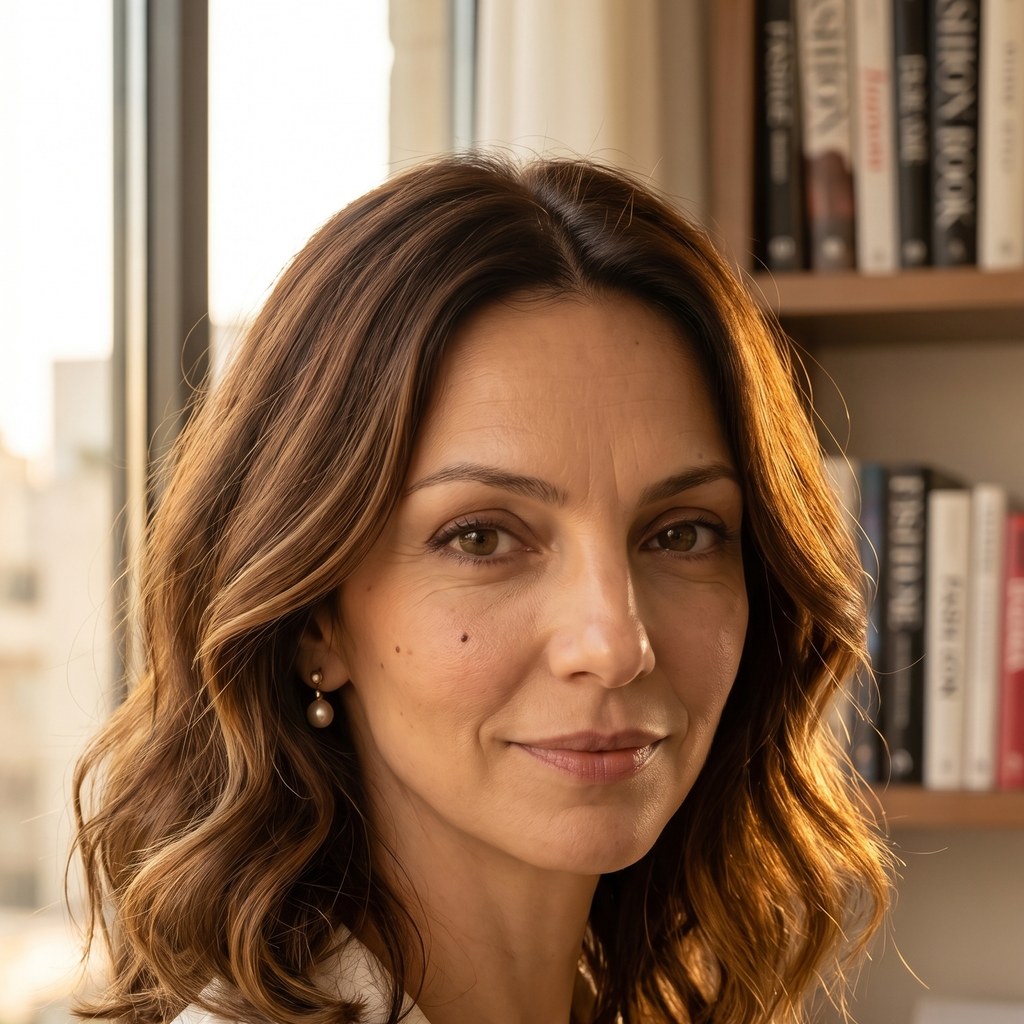
I spent last weekend at a private villa in Cap Ferrat watching something I never thought I'd see: a Hollywood A-lister's team negotiating red carpet positioning not with Vogue or Vanity Fair, but with a 26-year-old Kuwaiti content creator who commands eight million followers across three platforms.
The old rules are dead. And I'm not sure we've written the new ones yet.
For two decades, celebrity access worked like diplomatic protocol. You cultivated relationships with publicists. You respected embargoes. You never published a photo without approval from the talent's team. In exchange, you got the interview, the cover, the exclusive. It was a ecosystem built on trust, leverage, and the understanding that print magazines — and later, their digital counterparts — were the only game in town.
That system collapsed sometime between 2023 and now, and nobody sent a memo.
What replaced it is harder to map. Gulf-based influencers — particularly women from Saudi Arabia, the UAE, and Kuwait — have become the new kingmakers of celebrity visibility in the META region and increasingly in Europe. They don't work for publications. They don't answer to editors. They are the publication, the photographer, the distribution network, and often the brand partnership all in one.
I first noticed the shift at the 2024 Cannes Film Festival. A Saudi creator I'd seen at fashion weeks was suddenly front-row at the Palme d'Or screening, posting behind-the-scenes footage with talent I'd been chasing for interviews for months. Her access wasn't negotiated through traditional channels. It came from luxury brands who'd realized her audience — affluent, young, consumption-hungry — was more valuable than a magazine profile that might run three months later.
By the 2025 Met Gala, the pattern was undeniable. Traditional press pens were half-empty while influencers roamed the carpet with the kind of access that would have required six months of negotiation in the old system. Publicists hadn't lost control — they'd simply recalculated where the power lived.
This isn't a story about social media replacing magazines. We've heard that narrative for fifteen years and it's too simple. What's happening now is about geography and capital flows. Gulf money has reshaped the luxury ecosystem — from billion-dollar stakes in LVMH and Kering to the wholesale importation of European cultural institutions to Riyadh and Dubai. Celebrity access is following the same pattern.
When a Qatari royal family member attends Paris Fashion Week, she doesn't need a press credential. Brands court her directly. When an Emirati content creator covers a film premiere, she's often flown in by the studio, not credentialed through traditional media channels. The entire machinery has been rebuilt around a different value proposition: not editorial independence or journalistic rigor, but direct pipeline to consumers with spending power.
I'm not romanticizing the old system. Magazine coverage was always transactional — favors traded for access, critical voices muted for future exclusives. I've played that game for two decades. But it had guardrails. Fact-checking. Legal review. The knowledge that if you published something false or cruel, your career was over.
The new ecosystem has different incentives. Speed over accuracy. Engagement over insight. And a blurring of editorial and commercial that makes my journalism school professors weep.
Yet I can't entirely mourn what's dying. The old system was dominated by Western publications that treated the Middle East as exotic backdrop, never full participant. Arab celebrities were covered through Orientalist lenses or not at all. Regional stories were dismissed as niche unless they involved royalty or scandal.
Gulf influencers are telling their own stories now, in Arabic and English, with nuance that foreign correspondents rarely managed. They're building audiences that don't need Western validation. That's not corruption of the system — it's evolution.
What worries me is the middle ground we're losing. The space for long-form cultural criticism. The willingness to say difficult truths about people you might see at the next event. The old magazine model was flawed, but it created room for writers who could contextualize celebrity within broader social patterns — who could say this dress matters because of what it signals about regional identity, or this casting choice reflects shifting power dynamics between Hollywood and Gulf financing.
That kind of analysis doesn't perform well in carousel posts. It doesn't drive affiliate revenue. And increasingly, I'm the only person in the room still trying to do it.
Last month, a luxury brand invited me to cover their ambassador announcement in Dubai. When I arrived, I realized I was the only journalist present. Everyone else was an influencer or content creator. The press release went to me. The early product access went to them. We were serving completely different functions, and the brand understood exactly which one mattered more.
I filed my piece. It was well-reported and contextual. It got modest traffic. One of the influencers posted a thirty-second unboxing video that reached ten times my audience.
So here's my question, as someone who's spent her career in this strange space between journalism and access: What do we lose if nobody's left to write the complicated version? If every red carpet becomes pure spectacle, stripped of cultural analysis? If celebrity coverage becomes entirely about consumption rather than examination?
I don't have the answer yet. But I'm watching very carefully. Because the next five years will determine whether there's still room for people like me — who love the glamour but insist on asking what it means — or whether we become relics of a publishing model nobody remembers.
For now, I'm still here. Still fact-checking. Still refusing to name children in photos. Still believing that how we tell stories about famous people reveals something true about power, money, and the cultures we're building.
Just with a smaller press pen and a lot more questions than I used to have.