BREAKINGDeveloping✓ 1 sourcesEditorialDeveloping
This story is currently available in inglés only — a translation isn't ready yet.
Eurovision: If a Country in Conflict Wins, It Cannot Host from 2027 Onwards
The European Broadcasting Union changed competition rules following the Israel debate; minimum participation age also raised from 16 to 18.
Velocidad:
ℹ️ Lectura del navegador · voz de estudio IA próximamente
MY
Mehmet Yılmaz
· 2 min read
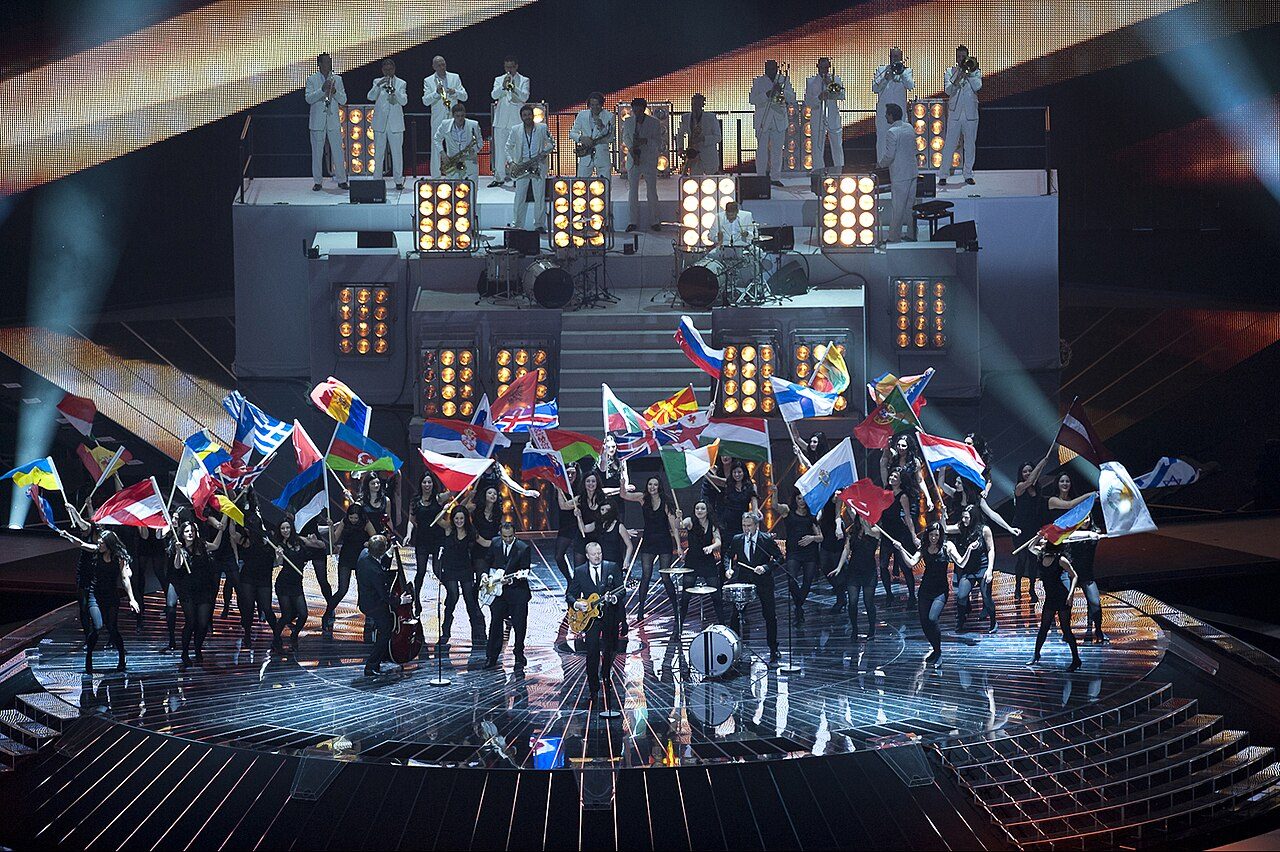
The European Broadcasting Union (EBU) announced rule changes for the Eurovision Song Contest, set to take effect from 2027, via its official website. Under the new rules, if the winning country's region is experiencing armed conflict, a sensitive geopolitical situation, or a serious security risk, that country will not be permitted to host the next contest; another broadcasting organization will be selected in its place.
According to Anadolu Agency, Eurovision Song Contest Director Martin Green stated that the changes aim to strengthen transparency and artist safety while preserving the competition's "spirit and integrity." The minimum participation age has also been raised from 16 to 18.
The rule change was triggered by Israel's participation in this year's contest, which prompted several countries to boycott the competition or stage protests. Bulgaria will host the 2027 contest. When implemented, the rule would potentially apply to Israel — though the country was not named directly in the announcement.
Sources — how we know this
- PrimaryAnadolu Ajansı (TR)