AgendaVerified
This story is currently available in inglés only — a translation isn't ready yet.
Hormuz Risk Premium Meets a 13.8mbd US Supply Print — And the Peg Sits in the Middle
A tanker strike, a coalition, and a production number that refuses to fall. The pegs will absorb the mechanics; the sovereigns will price the politics.
Velocidad:
ℹ️ Lectura del navegador · voz de estudio IA próximamente
KA
Karim Al-Rashidi
· 2 min read
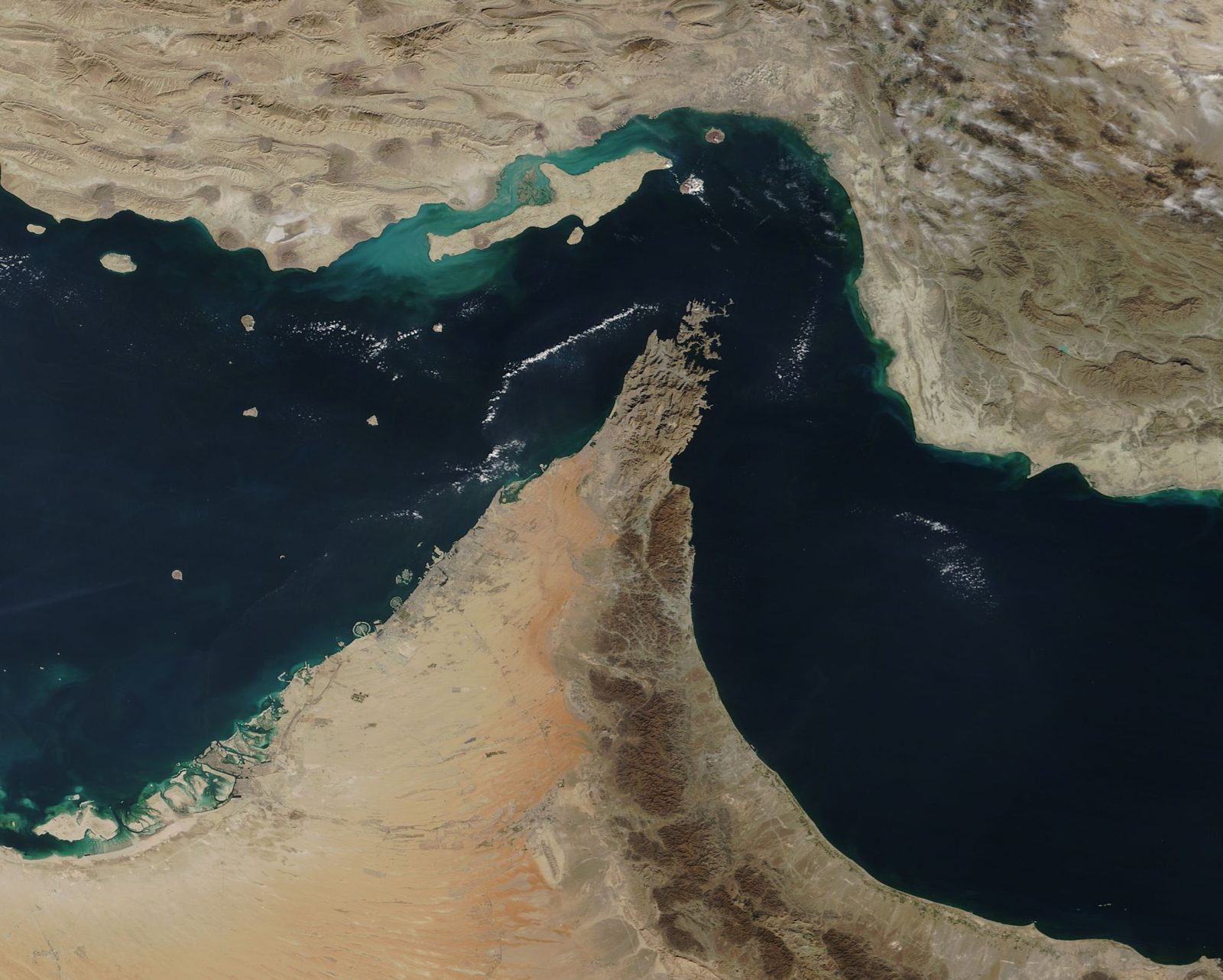
The number to write down before you write down anything else this morning is 13,796 thousand barrels per day. That is what US crude producers pumped in the week to 24 July — within a rounding error of the highest weekly print American shale has ever delivered, and squarely inside the 13.7–13.9mbd band that has held for most of this year. In a week where a tanker carrying Qatari LNG was reportedly struck transiting Hormuz, and where the Kingdom has moved to formalise a new Red Sea maritime coalition, that supply cushion is the single most important variable in your inbox.
Mechanism first, because that is what a Sunday brief is for. A Hormuz incident is, in the first instance, an insurance-premium event and a routing event, not a supply-loss event. Barrels do not disappear; they get more expensive to move, and the freight curve steepens before the flat price does. Overlay that on US weekly production running at cycle highs and you understand why the tape has, so far, refused to price a full geopolitical premium. The market is doing arithmetic, not theatre.
The pegs, as ever, do the quiet work. USD/SAR sat at 3.7500 into the weekend and USD/AED at 3.6725 — which is to say, exactly where the central banks in Riyadh and Abu Dhabi intend them to sit, and where they will continue to sit regardless of what a tanker in the Strait does on a Tuesday. The transmission you want to watch is not the spot rate but the forward points and the CDS. When the region is genuinely stressed, one-year SAR forwards drift, and five-year sovereign spreads widen thirty to fifty basis points before anyone on a trading desk says the word 'risk.' Neither has happened yet in size. That is the honest read.
Three things to track into the Gulf open. First, the WSJ report that the UAE has changed how it prices its crude grades. Any adjustment to official selling price methodology from Abu Dhabi matters for the Asian differentials that most Gulf producers ultimately key off, and it lands in a week when the pricing power conversation was already live. Second, the diplomatic register: Riyadh reportedly urging Washington against escalation with Tehran, and Abu Dhabi threading its own needle between Iran, Washington and Tel Aviv. Sovereign issuance calendars tend to reflect this cable traffic with a two-week lag, so watch the August pipeline. Third, the LNG channel — if Hormuz insurance rates for gas carriers ratchet, the Europeans feel it before we do, and EUR-denominated Gulf paper reprices accordingly.
One housekeeping note for the humourists among you: a coalition announced to deter Red Sea attacks is, by definition, evidence that Red Sea attacks were not being adequately deterred. File under things the price of freight already knew.
The day ahead is thin on data and thick on headline risk. Keep the pegs in your peripheral vision, keep the forwards on your main screen, and remember that 13.8mbd is the number doing most of the work you are not seeing.