DevelopingEuropeDeveloping
This story is currently available in inglés only — a translation isn't ready yet.
The Hague Draws a Line, and Brussels Will Have to Decide Whether to Stand Behind It
The Dutch decision to ban imports from the Occupied Territories tests whether Member State practice can do what the Council has refused to do.
Velocidad:
ℹ️ Lectura del navegador · voz de estudio IA próximamente
SM
Sophie Marchand
· 3 min read
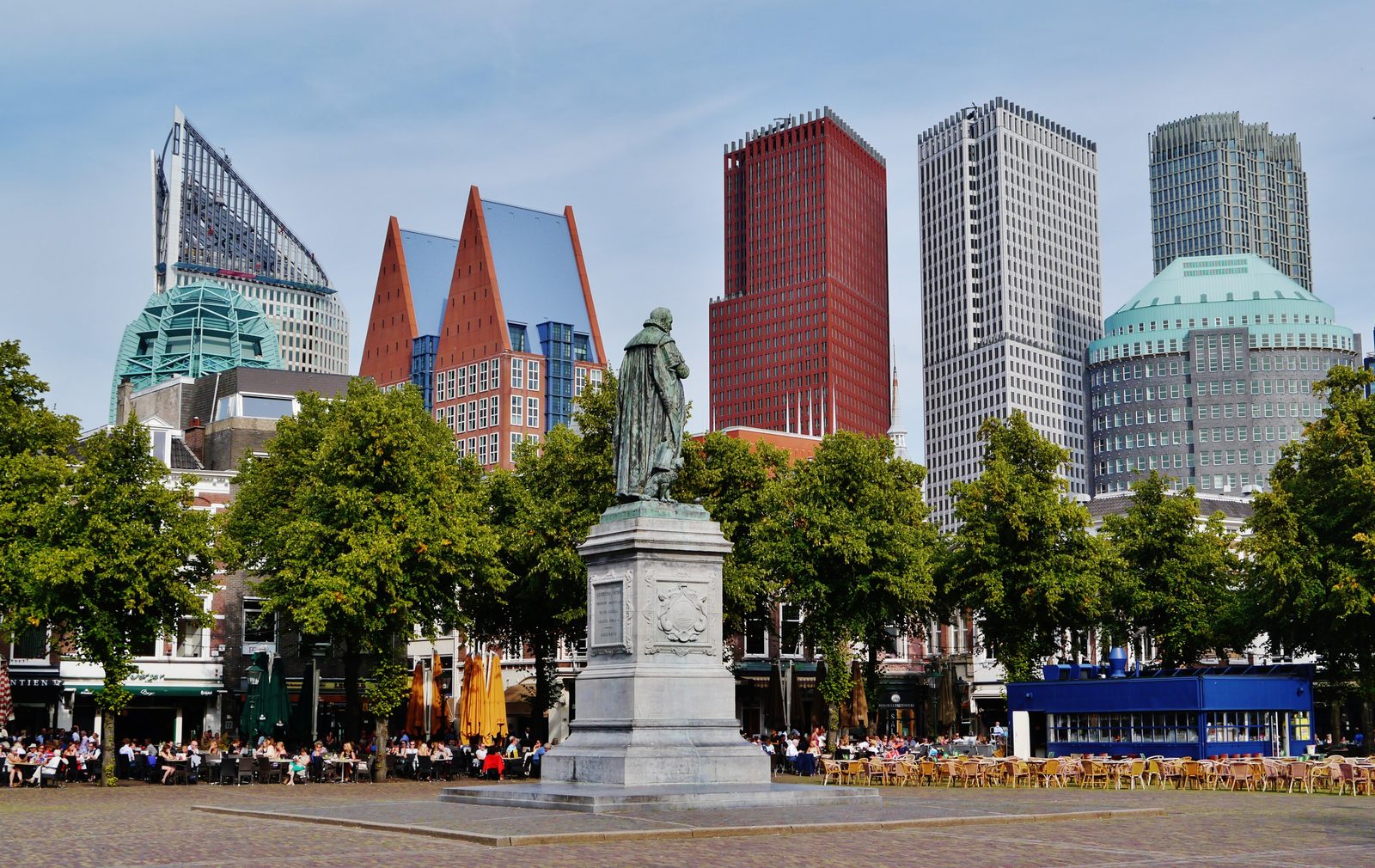
The decision taken in The Hague this week to ban the import of goods originating in the Occupied Palestinian Territories is, on its face, a national measure. Read more carefully, it is a constitutional probe directed at the European Union itself.
Let us begin with the text, because the text is the news. The Dutch measure, as the coalition has framed it, is not a labelling regulation in the manner of the Commission's 2015 interpretative notice on settlement products. It is an import prohibition. That distinction matters. Labelling leaves the consumer to choose; prohibition removes the choice from the market. One is a transparency instrument; the other is a sanctions instrument in everything but name.
The legal architecture here is delicate. The common commercial policy is, under Article 207 TFEU, an exclusive competence of the Union. A Member State does not, as a matter of treaty law, get to operate its own import regime. The Dutch government knows this perfectly well. The measure will therefore be defended on one of two grounds: either as an implementation of existing Union obligations following the International Court of Justice's July 2024 advisory opinion on the legal consequences of the occupation, or under the public policy and public morality carve-outs of Article 36 TFEU as read in conjunction with the Union's external action.
Neither path is comfortable. The first asks the Court of Justice to accept that the advisory opinion creates a positive duty on Member States to act unilaterally where the Council has not. The second asks it to accept that occupation policy is a Member State public-morality concern rather than a Union foreign-policy concern. Both arguments are serious. Neither is a slam-dunk.
Which brings us to the politics of the compromise, because there is always a compromise. The Hague did not arrive at this position spontaneously. Ireland and Spain have, since 2024, pressed inside the Council for collective measures and been blocked, most consistently by Berlin and Budapest, with Rome quietly content to let others do the blocking. Dublin floated its own Occupied Territories Bill years ago and never quite finished the legislative work. What the Dutch coalition has done is to take an Irish text, dress it in Dutch institutional clothes, and dare the Commission to launch infringement proceedings against a founding Member State for enforcing the findings of the World Court.
This is elegant. It is also a trap, and the Berlaymont knows it. If the Commission moves to discipline the Netherlands, it signals that Union trade discipline overrides Member State conscience on a matter the ICJ has already ruled upon. If it does not move, it concedes that on questions where the Council is paralysed, Member States may legislate themselves out of the common commercial policy. Either answer reshapes the Union.
Enforcement is, as ever, where the regulation becomes real. The Dutch customs authority will need a positive list, or a negative list, of producers and postal codes. The settlement economy is not large, but it is deliberately opaque, routed through Israeli wholesalers who do not segregate origin. Expect litigation within months from importers arguing that compliance is impossible because origin information is unobtainable. Expect, equally, that civil society groups will arrive with their own dossiers and demand that customs act on them. The measure will be tested not in The Hague but at Rotterdam.