EuropeVerified
This story is currently available in inglés only — a translation isn't ready yet.
Warsaw Gets Its 7.9 Billion. The Real Test Is What Brussels Chose Not to Ask.
The fifth NextGenerationEU disbursement to Poland closes a chapter on rule-of-law conditionality. It also opens a longer, quieter one about what the Commission is willing to police.
Velocidad:
ℹ️ Lectura del navegador · voz de estudio IA próximamente
SM
Sophie Marchand
· 3 min read
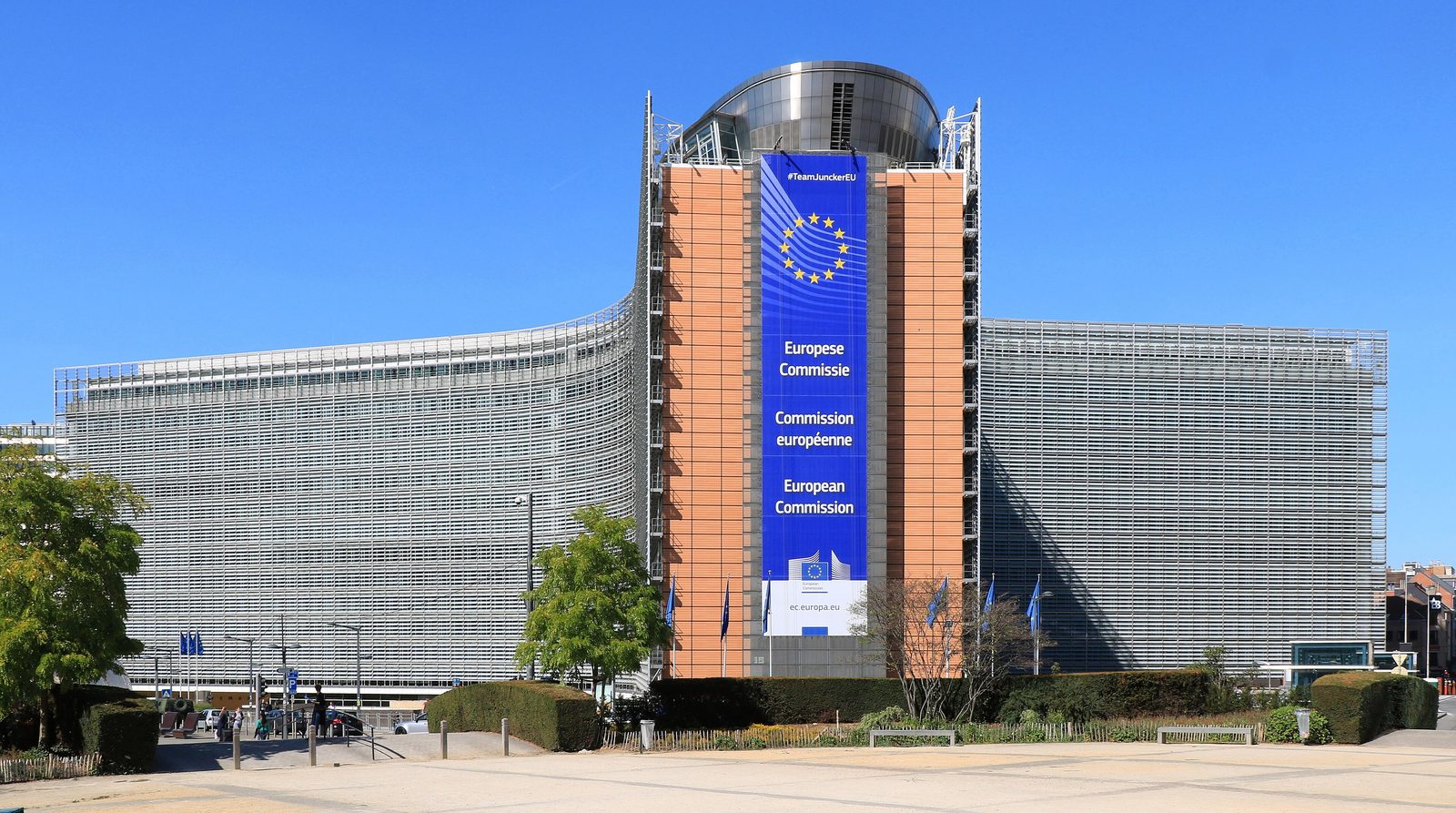
The European Commission announced today that it has positively assessed Poland's fifth payment request under the Recovery and Resilience Facility, releasing €7.9 billion. On the wires this reads as an accounting entry. Read the file properly and it is a political choice of some magnitude, taken by identifiable people in a specific room on a specific deadline.
Recall the sequence. Poland's recovery plan was frozen for the better part of two years over judicial independence concerns — specifically the disciplinary chamber of the Supreme Court and the muzzle law. The first tranche was released in late 2023 after the change of government in Warsaw, on the basis of a reform trajectory rather than a completed reform. Each subsequent request has tested the Commission's willingness to accept motion in place of arrival. Today's fifth payment continues that pattern.
The operative language matters. The RRF Regulation, Article 24, allows partial payment where 'satisfactory fulfilment' of milestones has been achieved. 'Satisfactory' is the load-bearing word. It gives the College enormous discretion, and the College has used it — generously, when the political weather in Warsaw was favourable to Brussels, and restrictively, when it was not. This is not hypocrisy; it is how conditionality was designed to function. The regulation was written by people who wanted a lever, not a rulebook.
Who writes the compromise on today's tranche? The Berlaymont's Recovery and Resilience Task Force, working with DG ECFIN, produces the preliminary assessment. The Economic and Financial Committee of member state representatives then delivers an opinion within four weeks. Both stages leave fingerprints. On Polish files, Berlin has consistently pushed for release; The Hague and Stockholm have historically insisted on documentation of judicial reforms actually enacted, not merely tabled. That the fifth payment cleared suggests the Dutch and Swedish reservations were either satisfied or set aside. The press release does not tell you which. The absence is itself information.
What will a compliance officer in Lyon — or, for that matter, in Warsaw or Kraków — notice on Tuesday morning? Very little immediately. RRF disbursements flow to the Polish treasury, not to firms. The transmission is slower and structural: procurement rules attached to RRF-funded projects, the ex-ante conditionalities on cohesion spending, the audit trails that Polish authorities must now maintain for OLAF and the European Public Prosecutor's Office. A French engineering firm bidding on a Polish rail modernisation tender in 2027 will feel this file through the compliance clauses in the tender documents, not through any headline.
And the Gulf transmission, because it exists here too. Sovereign wealth funds with European infrastructure exposure — the usual Abu Dhabi and Riyadh vehicles active in Central European logistics and energy — read RRF disbursement decisions as a proxy for country risk. A released tranche is a signal that Brussels considers Warsaw a going concern within the EU legal order. Frozen tranches, by contrast, chill co-investment. This is not spelled out in any prospectus. It is, however, in every investment committee memo I have seen described.