EuropeVerified
This story is currently available in انگلیسی only — a translation isn't ready yet.
A Walk Through Amstelveen on the Day the World Cup Opened
From the hockey stadium to the bus stop that serves the AZC, a Sunday walk through a Dutch suburb that holds two arrivals at once.
سرعت:
ℹ️ خواندن با صدای مرورگر · صدای استودیویی هوش مصنوعی بهزودی
EP
Elias Papadopoulos
· 5 min read
Start at the Wagener Stadium, because that is where the flags were on Saturday. The Hockey World Cup opened here in Amstelveen this weekend, and the Dutch team won its first match, and the pale wooden stands were full of orange. If you stand at the main gate on Sunday morning, the day after, the ground is still soft from thirty thousand feet. A woman in a volunteer bib is folding a banner. Two men from the municipality are picking up plastic cups with long-handled grabbers, one cup at a time, in the way that Dutch cleanup is done: patient, slightly bored, thorough. This is one kind of arrival. People came from Belgium and Germany and India and Argentina to be here for four days. They will leave. The stadium will be swept. Amstelveen will remember it as a good weekend.
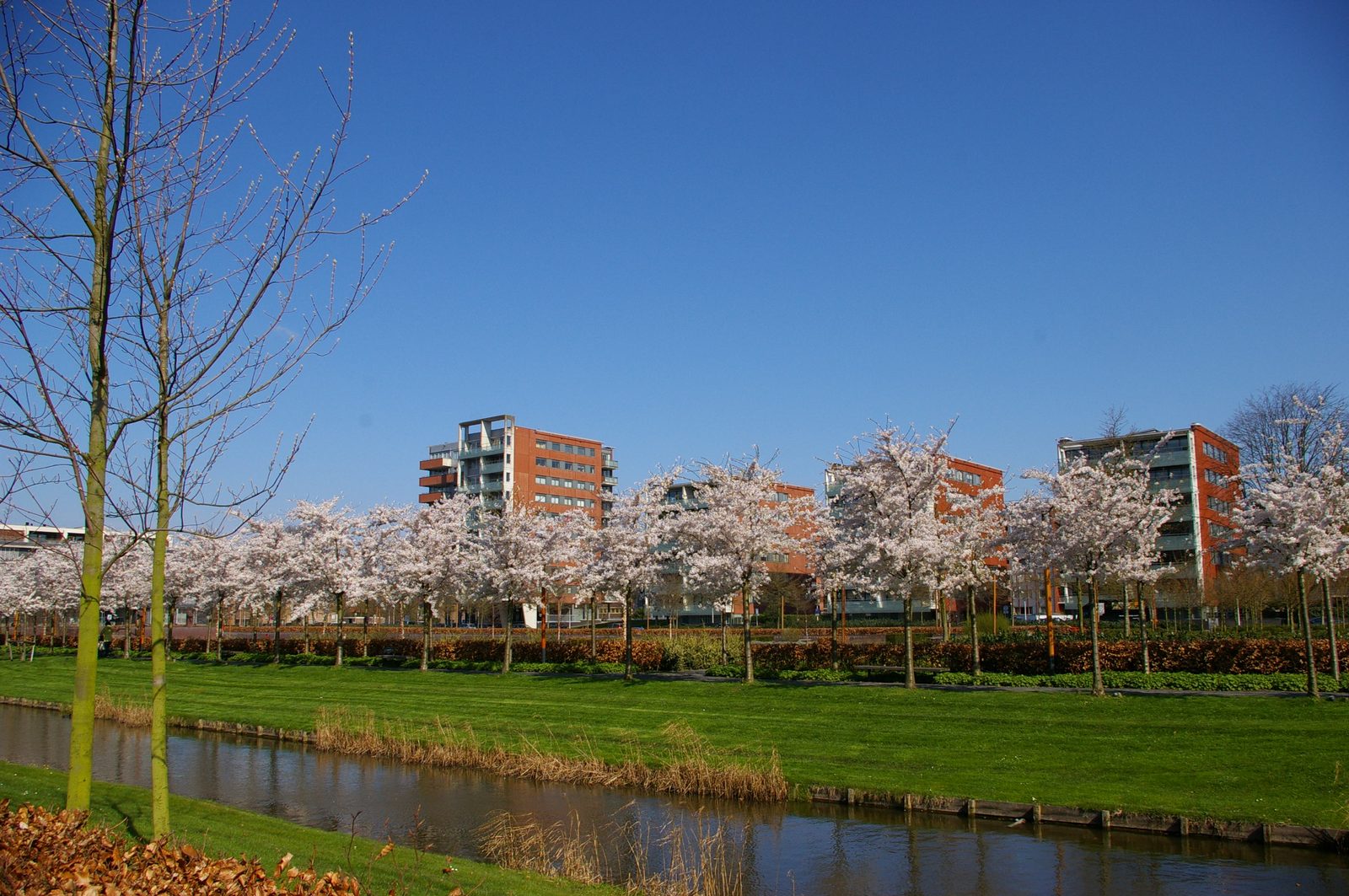
Walk south now, along the Amsterdamseweg, past the tram stop where the number 5 turns toward the city. It is a fifteen-minute walk, no more. The trees along the road are the kind of trees that Dutch suburbs plant on purpose to look unplanned. On the left, a bakery is open on Sunday, which used to be rare here and now is not. On the right, a set of low-rise apartment blocks in the colour that municipal architects in the 1990s believed was warm. If you keep walking, you will come to a bus stop that does not appear in the tourism map of the World Cup weekend. It serves, among other places, a reception centre for asylum seekers on the edge of the Amsterdamse Bos.
This is the second arrival. It does not have a banner.
Call the man at the bus stop Reza. He is a composite — the specifics belong to no one person and everyone — and he has been in the Netherlands for eleven months, having entered the European asylum system through a Greek island whose name he still pronounces with the stress on the wrong syllable. He crossed the strait between the Turkish coast and Lesvos in a boat that held more people than it should have, was registered in a camp whose name has appeared in policy documents in three languages, was transferred under the Dublin arrangement to a second country, and then, through the slow logic of European placement, ended up here. He carries, in his backpack, a plastic folder. Inside the folder are the documents that describe him to the Dutch state. The folder is the door-frame detail. It has travelled further than most passports.
He is going into the city today because a friend has told him there is a Persian grocery near the Ten Katemarkt that stocks the right kind of rice. This is what integration actually looks like on a Sunday: a bus, a tram, a specific bag of rice. It is not the frame the news uses.
Walk on. The path curves into the Amsterdamse Bos, the great engineered forest that Amsterdam built during the Depression as a jobs programme and now uses as its lung. On a Sunday in August the forest is full of families on rented bicycles and rowers on the long straight water of the Bosbaan. The rowers do not know that the water they are on was dug by unemployed men in the 1930s who were paid by the shovelful. Every landscape in this country is a policy that grew a skin.