LifestyleVerified
This story is currently available in عربی only — a translation isn't ready yet.
Gaza's Food Prices Are Spiking — Here's What That Does to a Body Under Stress
When food returns to shelves but remains unaffordable, the harm is not just hunger. It is a specific, measurable kind of physiological damage.
سرعت:
ℹ️ خواندن با صدای مرورگر · صدای استودیویی هوش مصنوعی بهزودی
AS
Amira Sultani
· 4 min read
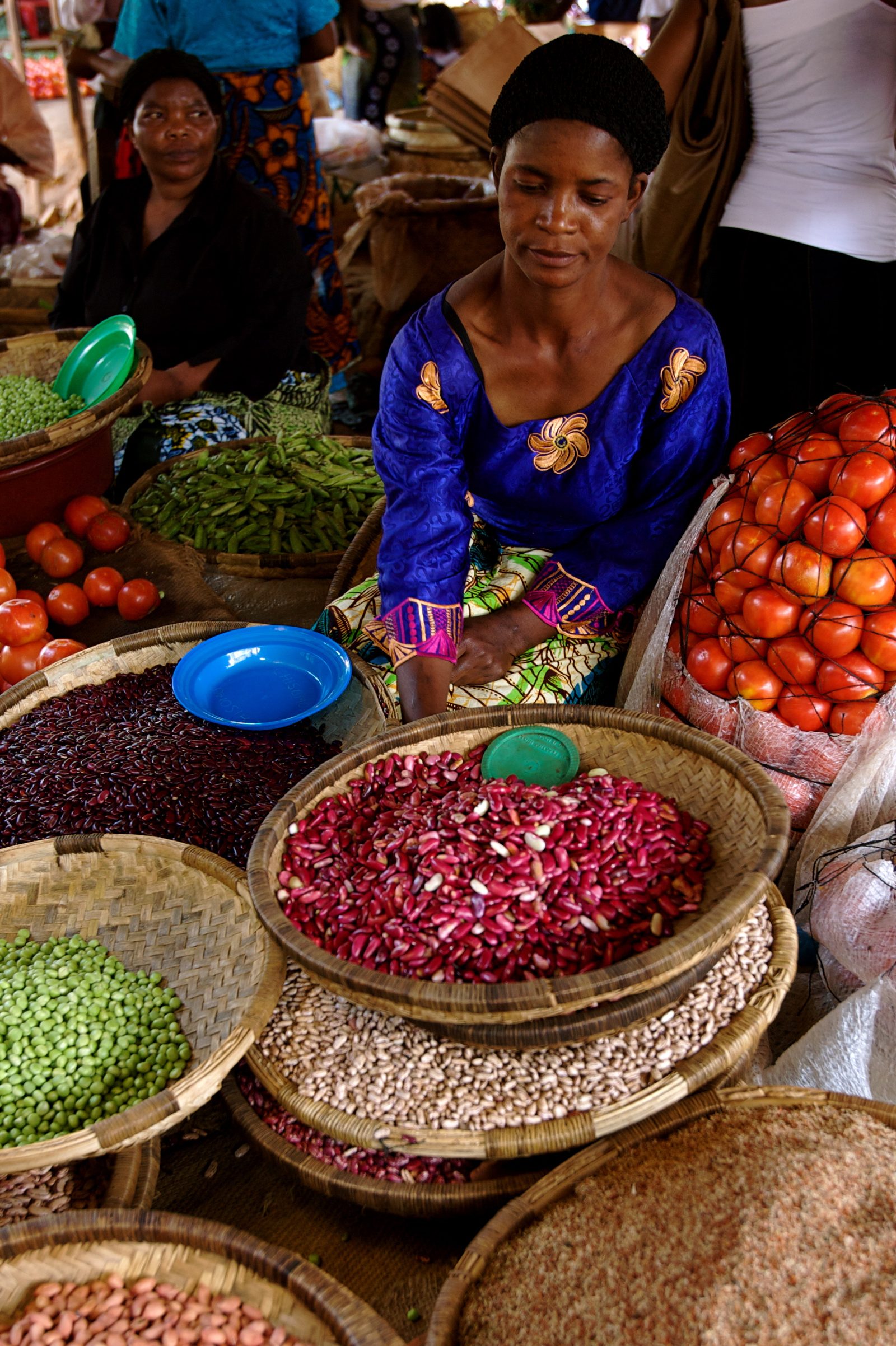
There is a particular cruelty to a market that has goods but not buyers. Recent reports out of Gaza describe exactly this: displaced Palestinians watching food reappear on shelves while remaining entirely unable to afford it. The images are mundane — stacked tins, piled produce — and the horror is in the gap between what is visible and what is reachable.
As a nutrition columnist, I do not cover conflict. But I do cover what chronic food insecurity does inside a human body, because the mechanisms do not care about the politics that caused them. And right now, those mechanisms are worth understanding.
Let us start with what the science actually says about the physiology of food insecurity — not famine, specifically, but the chronic, grinding state of not knowing whether you can afford to eat tomorrow.
Research consistently shows that this kind of uncertainty — what researchers call 'food insecurity' rather than outright starvation — triggers a sustained cortisol response. Cortisol, your primary stress hormone, is not inherently harmful in short bursts. The problem is chronic elevation. Studies tracking food-insecure households have found cortisol profiles that look remarkably like those of people in prolonged psychological trauma: elevated baseline levels, a flattened morning spike, dysregulated throughout the day. The effect size here is not trivial — one body of research found cortisol elevations in food-insecure adults comparable to those seen in people with clinical anxiety disorders.
What does sustained cortisol do? It mobilises glucose, which is useful if you are running from something. When there is nowhere to run, that glucose gets redirected. Insulin resistance edges upward. Inflammatory markers — C-reactive protein, interleukin-6 — rise. Muscle mass decreases even when caloric intake is merely reduced rather than eliminated, because the body is prioritising survival chemistry over tissue maintenance. Wound healing slows. Gut permeability increases, meaning the intestinal barrier becomes less effective at keeping opportunistic pathogens out of the bloodstream.
Now layer on top of this the specific conditions being reported in Gaza: displacement (which disrupts sleep, another cortisol amplifier), extreme heat (which increases fluid and electrolyte needs at the exact moment when those resources are hardest to access), and the psychological weight of watching prices that are, by multiple accounts, far beyond what most families can manage.
Children are not simply small adults in this context. Their cortisol systems are still calibrating. Chronic stress during developmental windows — and sustained food insecurity absolutely qualifies — has measurable effects on the hypothalamic-pituitary-adrenal axis that can persist into adulthood. This is not alarmism. It is documented in research on poverty, displacement, and early childhood adversity across multiple populations globally. The effects are real, they are lasting, and they begin well before a child visibly shows signs of malnutrition.