AgendaVerified
This story is currently available in عربی only — a translation isn't ready yet.
Hormuz Reroute Meets a Peg That Refuses to Notice
Iran and Oman redraw the shipping lanes, Abu Dhabi keeps loading barrels, and the dirham closes another session at 3.6725.
سرعت:
ℹ️ خواندن با صدای مرورگر · صدای استودیویی هوش مصنوعی بهزودی
KA
Karim Al-Rashidi
· 3 min read
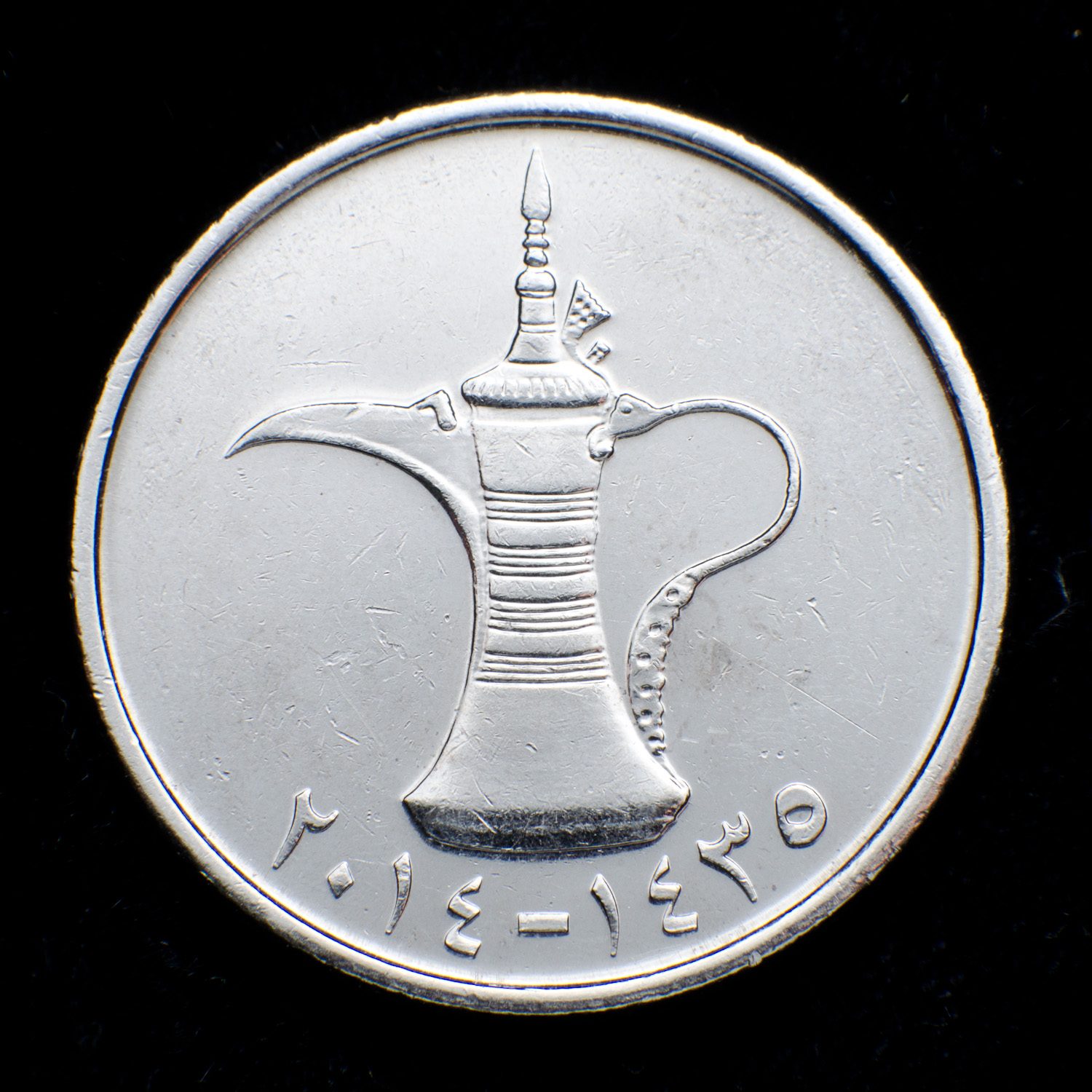
Two announcements this week ought to have moved something on a screen. Iran and Oman agreed new coordinates for vessels transiting the Strait of Hormuz. Abu Dhabi confirmed crude keeps flowing to the global market despite the risks around the same waterway. US weekly crude production, meanwhile, printed 13.8 million barrels a day for the week ending 31 July — near the top of what American shale has ever managed.
The close on the two Gulf currencies most exposed to all of this: USD/AED at 3.6725…