AgendaVerified
This story is currently available in انگلیسی only — a translation isn't ready yet.
MotoGP Blinks at Qatar — and the Question Behind the Question
When a motorsport body floats the idea of moving a Grand Prix, it rarely means the race. It means the relationship.
سرعت:
ℹ️ خواندن با صدای مرورگر · صدای استودیویی هوش مصنوعی بهزودی
OF
Omar Farouk
· 2 min read
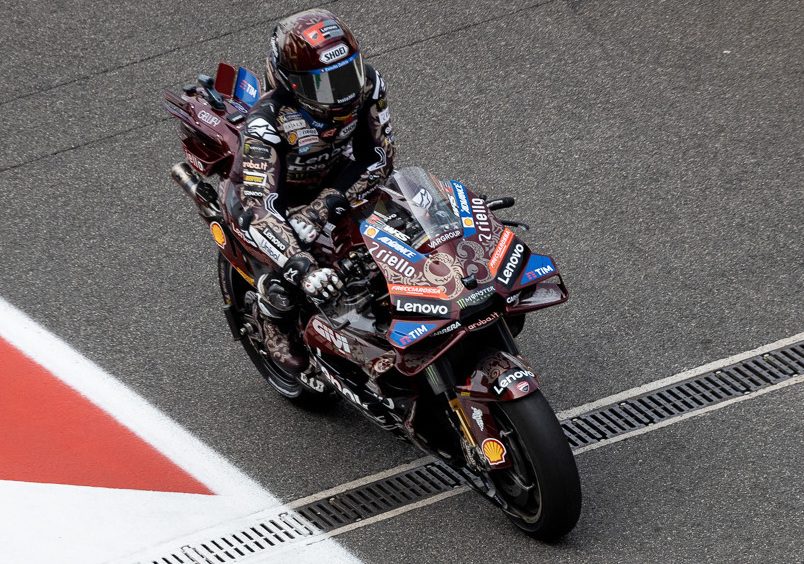
The news arrived with the soft language that governing bodies prefer: MotoGP will not rule out moving the Qatar Grand Prix to another venue. Not a threat. Not a decision. A door left ajar, with a breeze nobody is naming.
Sit with that phrasing for a moment. 'Will not rule out' is the diplomatic cousin of 'we are watching.' It costs nothing to say and signals everything. Motorsport's relationship with Qatar has always been built on more than tarmac — it runs on image, on the projection of permanence, on the idea that when a global series plants its calendar in your country, it is also planting a flag of approval.
That flag just got a small, visible wobble.
The timing matters. Qatar has spent the last several years absorbing scrutiny at a pace few small nations could manage — the tunnel questions that surfaced in this publication days ago are the latest chapter in a much longer story about what international sporting investment actually purchases. MotoGP's murmured contingency arrives as that story is still being written, and it drops into a region where geopolitical weather changes overnight. The Strait of Hormuz, the Red Sea shipping corridors, the defensive alliances now forming around the Gulf — all of this is the atmosphere in which a racing series quietly asks: 'What if?'
The Losail circuit itself has done nothing wrong. It remains one of the more technically demanding night-race venues on the calendar, the kind of track where a qualifying lap lives or dies in the final sector, where a tenth of a second can be the difference between slipstream and open air. The riders know it. The data flatters it.
But venues do not negotiate with sanctioning bodies — host nations do. And host nations carry everything they carry: their reputation, their regional standing, their moment in the international news cycle.
What MotoGP is doing, reading carefully between the words, is preserving leverage. That is standard contractual behavior for any major series managing a dense calendar. It may mean nothing. The Qatar Grand Prix may run uninterrupted for the next decade and this paragraph will look like a misread.
But covering Gulf sport seriously means refusing the comfortable read. When a series signals optionality, it is inviting a conversation. Qatar, for its part, has shown across multiple sports that it knows how to answer those conversations — usually with patience, sometimes with money, always with the long view.
The camera cut away from Losail before the answer came. That is where this story lives right now: in the pause, in the unreturned call, in the contract clause nobody is quoting on the record.