AgendaVerified
The Saudi-Egyptian Entertainment Axis That Could Redraw the Red Carpet
When Sela and Talaat Moustafa Group announced their strategic consortium in Cairo, something larger than a business deal quietly shifted.
سرعت:
ℹ️ خواندن با صدای مرورگر · صدای استودیویی هوش مصنوعی بهزودی
AK
Aida Khoury
· 4 min read
Let me tell you what I noticed the moment the announcement came through: it was not a press release that led with square footage or seat capacity. It led with a name — Turki Alalshikh. In the world I cover, that is not a bureaucratic detail. That is a signal.
Sela, the Public Investment Fund company that has already reshaped Saudi Arabia's live entertainment landscape, and Egypt's Talaat Moustafa Group, the real estate and hospitality giant whose footprint is stitched into New Cairo's skyline, have formally launched a strategic consortium. The stated goal: to create and manage an integrated entertainment ecosystem in Egypt. In the presence of His Excellency Turki Alalshikh, Chairman of the General Entertainment Authority, no less. This is not a pilot programme. This is architecture.
I have been watching Gulf capital move into cultural infrastructure for years — since the early days of my Vogue Arabia tenure, when the question was simply whether a Saudi concert market could exist at all. The answer, as anyone who has stood in the MDLBeast crowd or tracked the Riyadh Season attendance numbers will tell you, turned out to be: emphatically yes, and then some. But Egypt is a different proposition entirely.
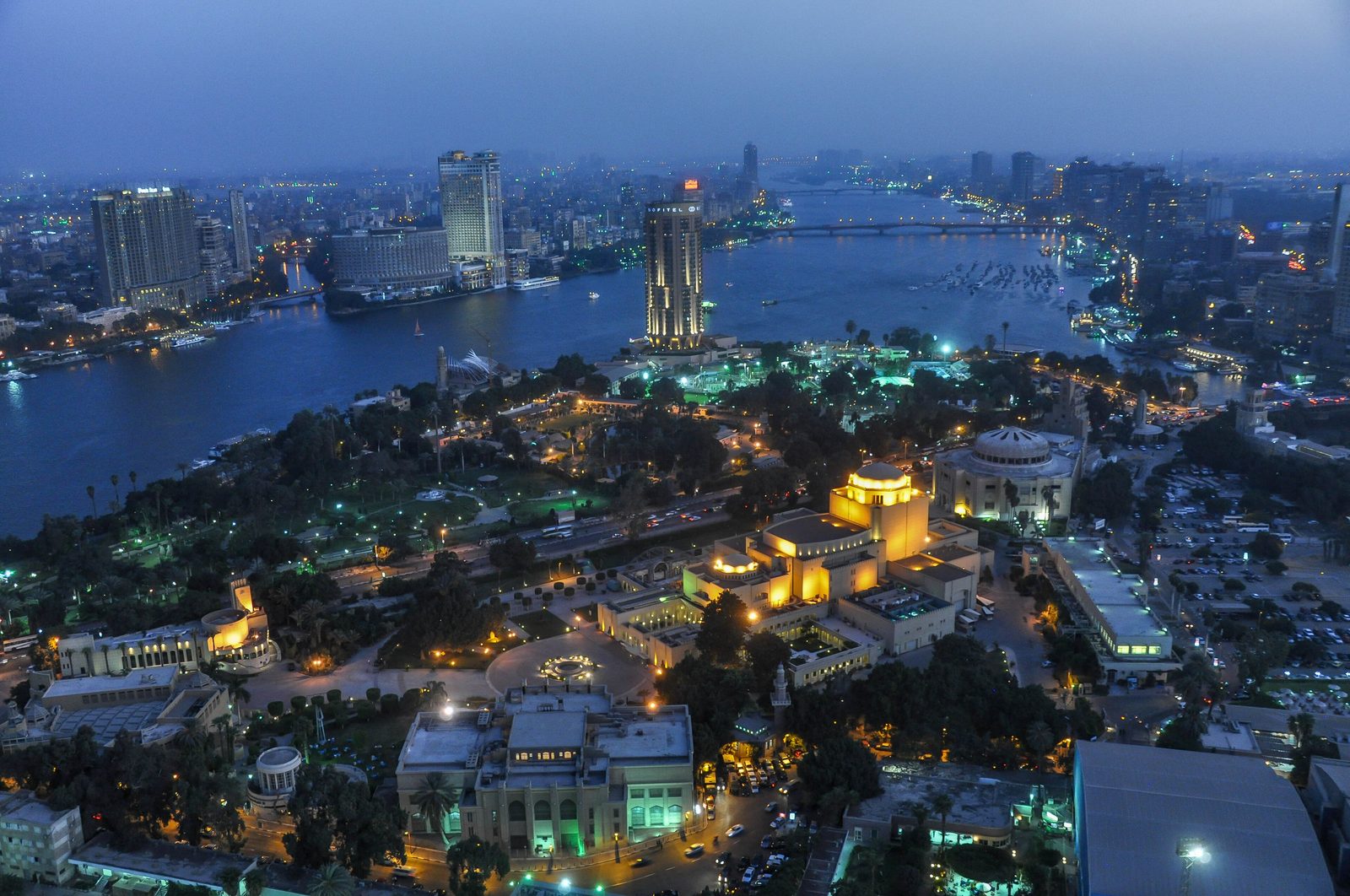
Cairo is the Arab world's creative lung. It has always been. The film industry, the music industry, the television drama pipeline that every Gulf household watched for decades — these were made in Egypt, by Egyptians, with Egyptian money, for an Arab audience that accepted Cairo's cultural authority as quietly as gravity. What Sela and TMG are proposing is not the import of Gulf taste into Egypt. It is something more interesting and, frankly, more complicated: a co-authorship of what Arab entertainment looks like going forward.
The Talaat Moustafa Group's involvement is the piece I keep turning over. TMG understands land. It understands the patience required to build cities from scratch, to sell a lifestyle before the lifestyle exists. That capability — the long-horizon, mixed-use, destination-thinking — is precisely what large-scale entertainment infrastructure requires. You do not build an integrated entertainment ecosystem with a promoter's mentality. You build it with a developer's one.
Sela, meanwhile, brings something TMG cannot manufacture domestically: the Saudi state's appetite for speed, and a rolodex that by now includes virtually every major international live entertainment stakeholder. The consortium, in other words, is less a merger of two companies than a merger of two competencies.
For the red carpet world specifically — the world I inhabit professionally — the downstream implications are not abstract. Cannes and the Met Gala have spent the last several years watching Gulf-linked money and Gulf-linked celebrities move from the periphery of the room to its centre. A fully operational, internationally scaled entertainment hub in Egypt, backed by PIF money and managed with Riyadh-tested operational discipline, means one thing above all: more original Arab content, better produced, more widely distributed, and eventually, more Arab talent standing on the same steps I have stood on for five Mets and eight Cannes festivals.