AgendaVerified
This story is currently available in انگلیسی only — a translation isn't ready yet.
The Somali Referee at the Super Cup and What He Carries Onto That Pitch
Omar Artan will become the first non-European referee to officiate the UEFA Super Cup. The story behind that walk to the centre circle matters.
سرعت:
ℹ️ خواندن با صدای مرورگر · صدای استودیویی هوش مصنوعی بهزودی
OF
Omar Farouk
· 2 min read
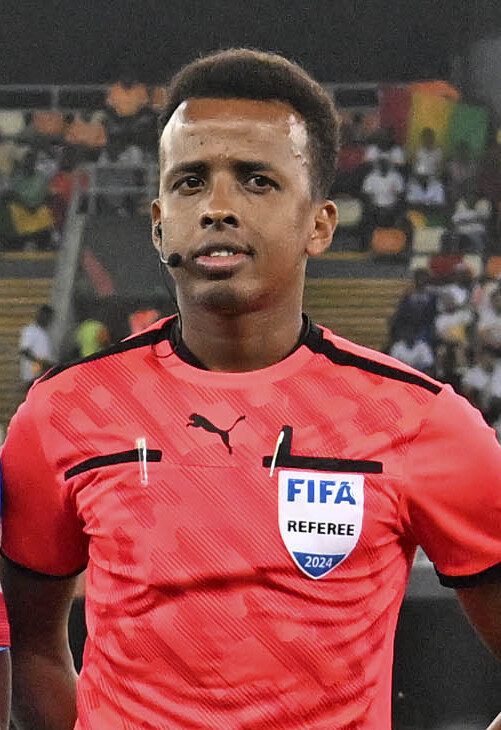
Before the whistle blows, before the captains shake hands and the cameras find their angles, Omar Artan will cross a white line that no referee from his part of the world has ever crossed at this level. That is the first fact worth sitting with.
His name has been circulating in the last few days attached to a detail that feels, at first glance, like a footnote: a Somali referee arriving for the UEFA Super Cup after having been excluded from last year's World Cup officiating pool. The exclusion and the elevation, sitting right next to each other in the same sentence. That tension is the story.
Referees have their own arcs, even if the camera rarely follows them. We track the striker's return from injury, the manager's tactical reinvention, the winger who finally found his crossing weight again — but the officials are usually just furniture until they make a mistake. Artan is being asked to carry something heavier than a yellow card in his pocket. He is carrying the implicit argument that European football's governing structures can look outside their own postcode for excellence, and that argument will be tested in real time, in front of a global audience, with every decision logged and debated before the echo dies.
What makes this genuinely consequential is the World Cup exclusion sitting in the background. We do not have the full account of why he was left out of that pool, and invented grievance is worse than silence, so I will not construct one. What I will say is that the gap between that exclusion and this appointment is the kind of gap that athletes and officials from underrepresented football nations know intimately — the feeling of being evaluated by a system that was not designed with your career path in mind.
His UEFA B equivalent on the refereeing side, his climb through African competitions, his presence on a pitch traditionally reserved for names from the continent's dominant football bureaucracies — these are not decorative details. They are the shape of his arc.
The Super Cup itself, as a match, is often a ceremonial curtain-raiser dressed up in silver trophy clothing. But the margins of that event occasionally produce something that outlasts the scoreline. If Artan controls the game with the same authority the reports suggest he brings to high-pressure assignments, the night will have offered something that the fixture itself rarely does: a structural shift in who gets to stand at the centre of European football's most visible stages.
After the final whistle, when the cameras follow the goalscorer and the losing manager's press conference, there will be a moment they cut away from — Artan walking off the pitch, alone, back toward the tunnel. That walk will have meant something. Whether anyone notices is a different question.