AgendaVerified
This story is currently available in انگلیسی only — a translation isn't ready yet.
Tokayev in the G20 Room: Washington Buys a Seat It Used to Rent
An invitation to Astana is not protocol. It is a bill Washington is asking the Kremlin to read.
سرعت:
ℹ️ خواندن با صدای مرورگر · صدای استودیویی هوش مصنوعی بهزودی
NV
Natasha Volkov
· 4 min read
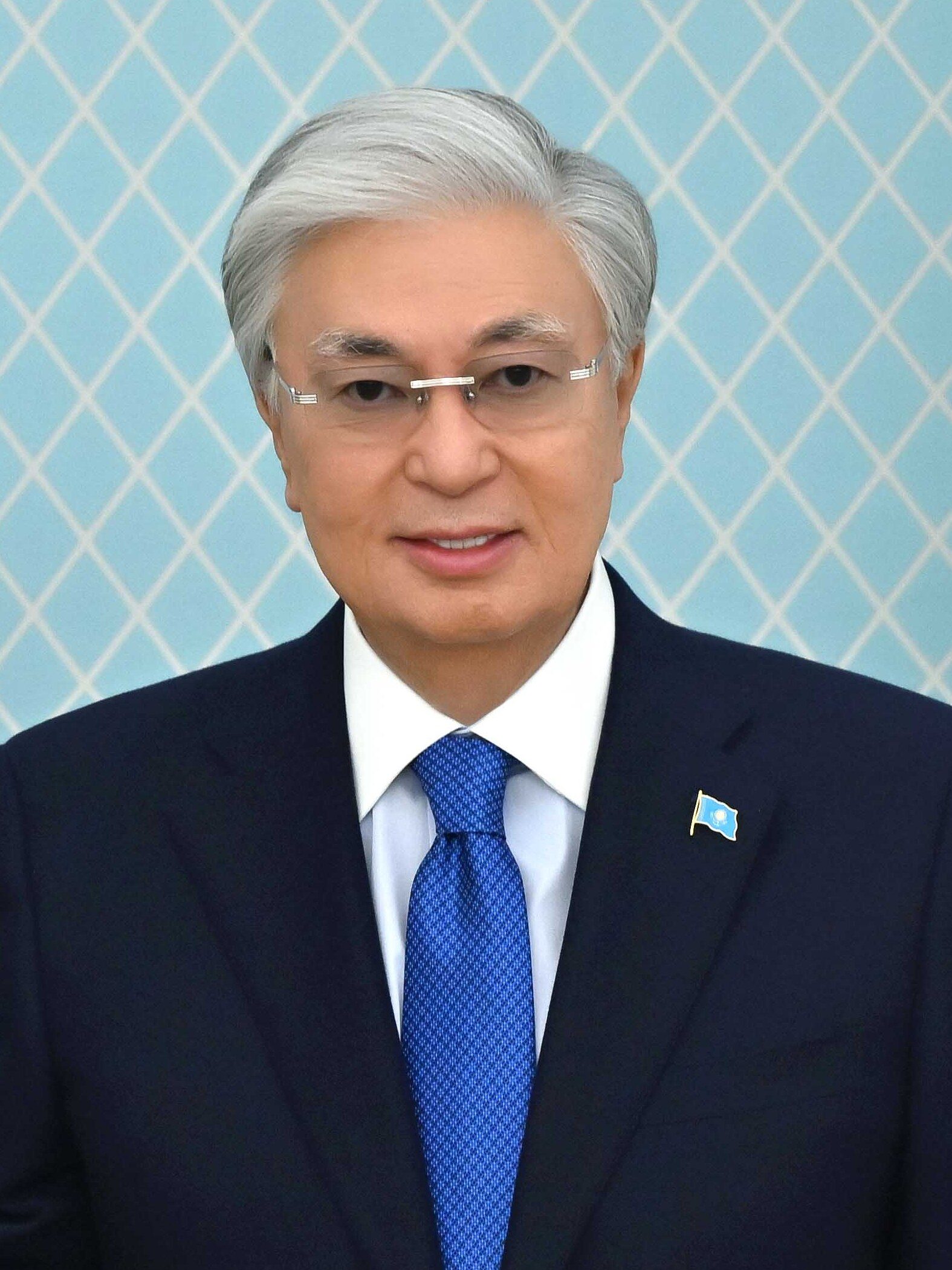
An invitation to the G20 is a document about the sender, not the guest.
Kassym-Jomart Tokayev has been asked to sit at the next G20 table as a guest of the American presidency, and the interesting sentence is the one nobody in Astana will say out loud: Washington has decided that Kazakhstan is worth a chair it does not technically own. The G20 has a fixed membership. The host gets to bring friends. The choice of friend is the message.
For two decades, Kazakhstan's relationship with the United States lived in a specific building — the energy ministry — and was measured in barrels lifted by a handful of majors around Tengiz and Kashagan. That was the transaction. Everything else was courtesy. The invitation to sit beside the twenty largest economies in the world reframes the file. It moves Astana from a client of one American department to a project of the American presidency.
And it lands in a week when the Kazakh economic ministry is signing things that read like a deliberate diversification of patrons. A UAE company has taken a 25-year coal licence. Two of the largest undeveloped tungsten deposits on the planet are being prepared for tender, with the government openly saying it wants processing on Kazakh soil rather than another shipment of raw ore east. Foreign investors are being invited into the coal sector on long horizons. None of these decisions individually rewrites the map. Read together, on the same week that Tokayev is offered the G20 chair, they describe a state that is being courted from several directions at once and is pricing itself accordingly.
The question worth asking is not whether Astana enjoys the attention. Of course it does. The question is what Washington believes it is buying.
Three readings, in ascending order of ambition.
The modest reading: the invitation is a gesture, a way of signalling that Central Asia is no longer treated as a Russian dependency in American strategic paperwork. Tokayev gets a photograph. The State Department gets to say that the C5+1 format has a headline moment. Nothing structural changes.
The middle reading: the invitation is cover for a specific commercial ask. The tungsten deposits matter because the American defence industrial base has spent three years discovering that it does not control the critical-minerals chain it thought it did. A Kazakh government publicly committed to processing rather than raw export is exactly the kind of partner Washington would like to lock in before Beijing writes the offtake contracts. The G20 seat is the sweetener; the minerals memorandum is the deal.
The ambitious reading, and the one the Kremlin will be forced to consider: Washington is testing whether Kazakhstan can be moved from the category of post-Soviet state that hedges to the category of post-Soviet state that chooses. Not chooses against Moscow — nobody in Astana is that reckless, and the pipeline geography does not allow it. Chooses to be treated as a mid-sized sovereign with its own foreign policy, whose relationship with Russia is one file among several rather than the file that governs all others.
⚡
Autonomous PickMarketplace
Energy Portfolio
Check your broker for the latest on energy stocks.
View Now →