AgendaVerified
Tokayev's Beijing Tilt and London's Tbilisi Net: Two Maps of the Post-Russian Space
While Brent climbs to $95.84 and the rouble holds at 70.90, the real story is who is rewriting the geography around Moscow — and who is letting them.
سرعت:
ℹ️ خواندن با صدای مرورگر · صدای استودیویی هوش مصنوعی بهزودی
NV
Natasha Volkov
· 3 min read
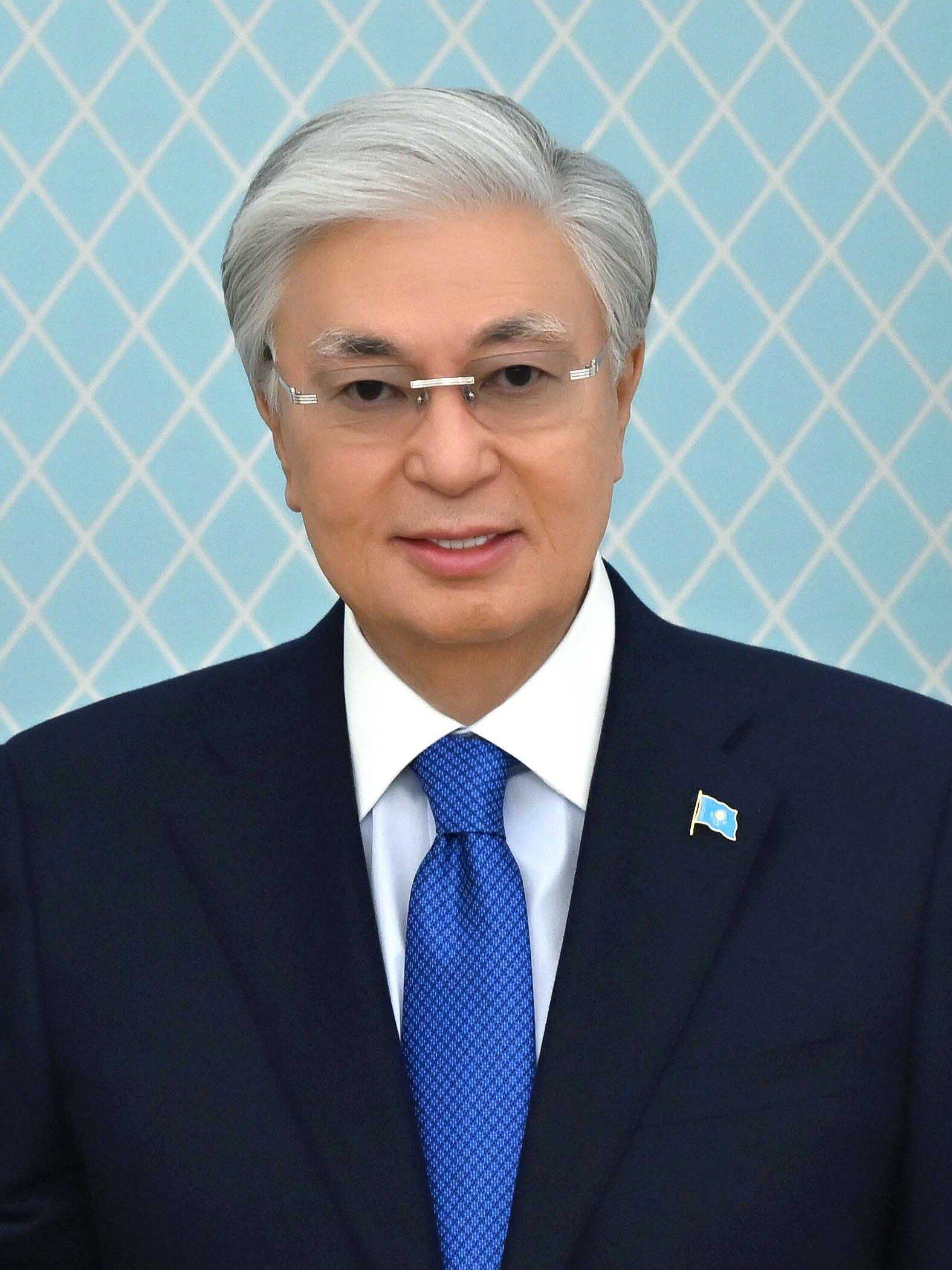
The most consequential thing happening in the Eurasian space this week is not in Moscow. It is in Astana, where President Kassym-Jomart Tokayev sat down with China's top legislator and called the relationship a matter of momentum; and in Tbilisi, where the United Kingdom quietly sanctioned three Georgia-registered companies for running what London described as Russia-focused exchanges built to evade sanctions. Two capitals, two decisions, one map being redrawn — and the actor whose absence defines both stories is the Kremlin.
Start with Tokayev. The vocabulary of his meeting was the standard ceremonial Mandarin of bilateral trade — momentum, partnership, mutual benefit. The substance is harder. Kazakhstan is the country that sits on the rail corridor China needs if it wants to move goods to Europe without asking permission from Russian Railways. Every additional container that moves Astana-to-Khorgos rather than through Russian territory is a small subtraction from Moscow's leverage over its near abroad. Tokayev knows this. Beijing's legislator knows this. The Kremlin, which is currently busy with other arithmetic, also knows this — and has accepted, with the resignation of a partner who cannot afford to object, that the junior position in Central Asia is now its own.
Watch the budget, not the rostrum. Kazakhstan is also opening media accreditation for an AI and digital infrastructure forum in Astana, and detailing the legal regime for Alatau, a charter city it intends to graft onto its southern flank. These are not gestures. A charter city with bespoke law is a sovereignty advertisement aimed at capital that would once have flowed through Moscow or Dubai. Tokayev is building the institutional plumbing for a Kazakhstan that does business with everyone and answers to no single patron. The muscle memory in his foreign ministry — the instinct for multi-vector hedging — is older than the current cabinet. What is new is that the hedging is now visible from space.
Now Tbilisi. The UK Treasury's decision to sanction three Georgia-registered companies is, on its surface, a technical enforcement action. Read it as a political statement and it becomes something else: an admission by London that eighteen months of nominal sanctions architecture has been quietly hollowed out by intermediaries operating from jurisdictions the European chancelleries did not want to embarrass. Georgia's ruling party has spent the last two years insisting it is not a sanctions-evasion hub. London, with three named entities, has just contradicted that claim in the most expensive vocabulary available — corporate designation.
The timing matters. On Georgia's Independence Day, the Opposition Alliance pulled thousands into the streets under a banner reading 'Georgia Deserves Better,' and on the same week the Prosecutor's Office opened a probe into police violence in Gori after a video circulated of officers beating men in custody. A government that wants to be taken seriously as a sanctions partner does not generally allow its police to be filmed doing what was filmed in Gori. London has noticed. So has Brussels, which has been looking for a reason to formalise what it already believes.