AgendaVerified
This story is currently available in انگلیسی only — a translation isn't ready yet.
Uzbekneftegaz Turns to Beijing for Jet A-1 — a Landlocked Refiner's Confession
Tashkent's move to lock in long-term jet fuel from CNAF and Sinopec exposes a domestic distillate gap that a decade of upstream talk was meant to close.
سرعت:
ℹ️ خواندن با صدای مرورگر · صدای استودیویی هوش مصنوعی بهزودی
SP
Sergei Petrov
· 3 min read
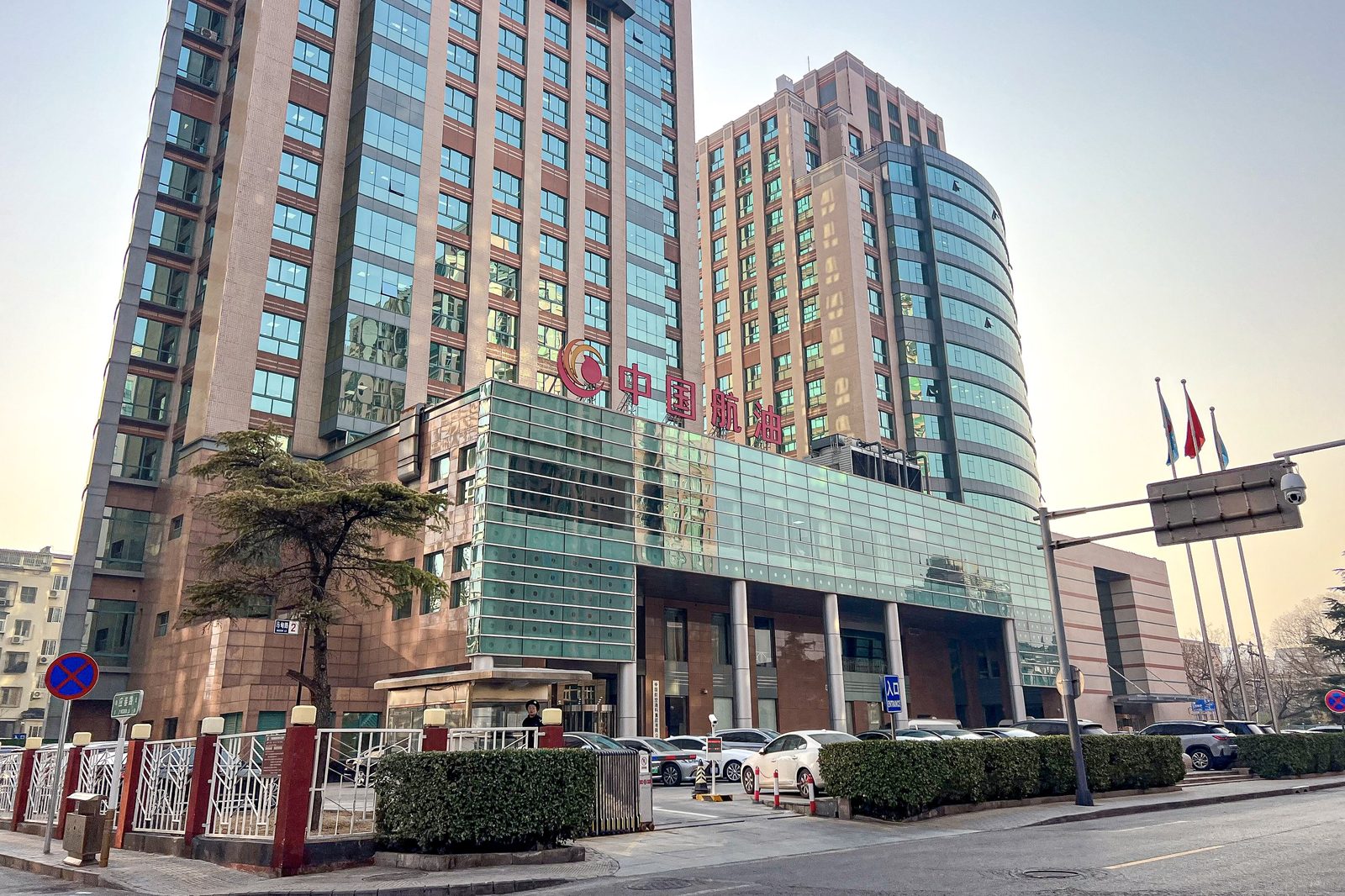
Uzbekneftegaz is negotiating long-term Jet A-1 imports from China, with CNAF and Sinopec named on the counterparty side. That is the sentence that matters, and it is worth unpacking before anyone reaches for the geopolitical frame.
Jet A-1 is the kerosene cut that comes off the middle of the barrel. A country that pumps its own crude and runs its own refineries should, in principle, cover its own aviation demand from those refineries. When the national oil company opens a tender for long-dated imports instead, it is telling the market one of three things: the crude slate does not yield enough middle distillate, the refining kit cannot hit jet specification at volume, or domestic demand has outrun the last capacity expansion. In Uzbekistan's case, it is a combination of all three, and it has been visible in the product balance for several quarters.
Start with the physical map. Uzbekistan has three refineries of consequence — Fergana, Bukhara, and the newer Jizzakh complex still being commissioned in stages. Fergana is old Soviet kit optimised for a lighter product mix that no longer matches the fleet on the tarmac at Tashkent and Samarkand. Bukhara does condensate, not the sour crudes that give you deep middle-cut yields. Jizzakh, when it runs at design, will help — but 'when it runs at design' is doing a lot of work in that sentence. Meanwhile aviation traffic through Uzbek airports has climbed as Tashkent has positioned itself as a Central Asian transit hub, and the visa liberalisation now covering 35 countries visa-free is a demand signal the refiners cannot answer from stock.
So the barrels have to come from somewhere. Historically, the somewhere was Russia. Uzbek jet fuel imports leaned on Omsk and Achinsk, moved by rail through Kazakhstan. That route is not gone, but it is now competing with a second option: Chinese product railed west from the Xinjiang refining cluster, or trucked through the Irkeshtam and Torugart crossings via Kyrgyzstan. The Sinopec relationship gives Tashkent a physical hedge against any disruption on the northern rail corridor — a hedge whose value the last two years have made concrete.
The financial layer is separate and should be read separately. A long-term supply contract with a Chinese state major is priced differently from a spot barrel out of Omsk. Yuan settlement is on the table; so is tenor. Uzbekneftegaz is effectively swapping exposure to Russian netbacks for exposure to Chinese export policy, which has its own quota rhythm — Beijing throttles product export licences on a quarterly cadence, and any long-dated Jet A-1 contract will have to be written around that reality. If the contract locks price to a Singapore benchmark, the counterparty risk is manageable. If it locks to a domestic Chinese index, Tashkent is taking on regulatory exposure it did not have before.
One more line item deserves attention: storage. Uzbekistan's strategic product stocks are thin. A jet fuel supply relationship that runs east-to-west by rail is only as reliable as the tank farms at the receiving end. If the Sinopec deal is real, expect a parallel capex line for kerosene storage near Tashkent and possibly Samarkand. Without it, the contract is a paper hedge against a physical problem.
⚡
Autonomous PickMarketplace
Energy Portfolio
Check your broker for the latest on energy stocks.
View Now →