AgendaVerified
WTI at $92.03 With US Output at 13.702 mb/d: Hormuz Risk Is Doing the Pricing
Crude is bid 1.11% on a session where the physical signal is a UAE warning, not a barrel. The financial premium is widening faster than the supply gap.
سرعت:
ℹ️ خواندن با صدای مرورگر · صدای استودیویی هوش مصنوعی بهزودی
SP
Sergei Petrov
· 3 min read
WTI settled at $92.03 per barrel at 07:00 UTC, up $1.01, or 1.11%, on the session. US weekly crude production for the week ending 15 May printed at 13.702 million barrels per day. Henry Hub gas added less than half a percent to $3.057 per million British thermal units. The dollar weakened marginally against the rouble, with USD/RUB at 71.47. None of those moves, on their own, justify the crude tape. The justification is sitting two thousand miles east of the trading screens.
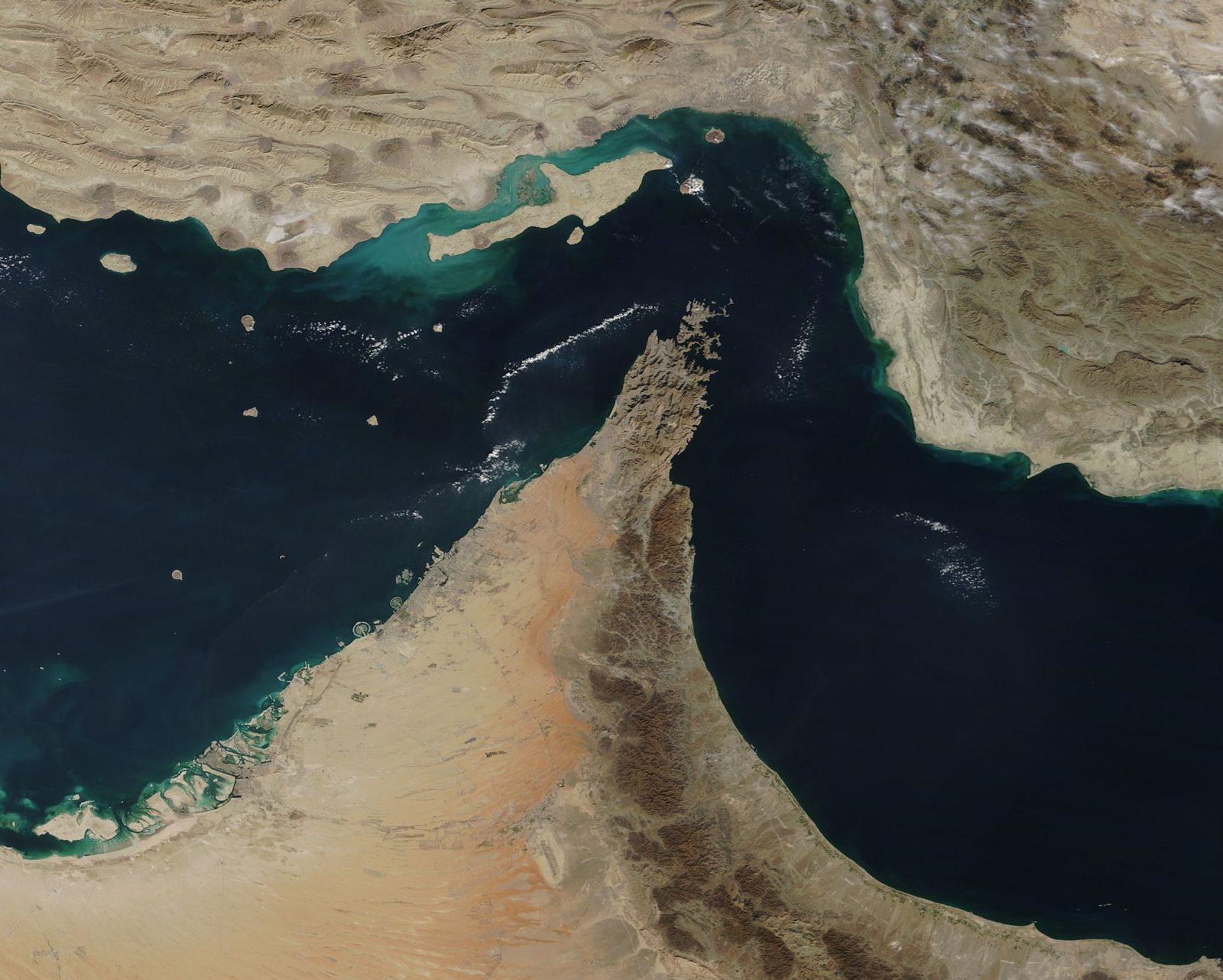
A senior adviser in the United Arab Emirates has publicly described the situation around the Strait of Hormuz as a serious risk for European supply. That is the geopolitical cause. Roughly a fifth of global oil consumption transits Hormuz on any given day, and there is no pipeline workaround that replaces more than a fraction of it. The strait is not closed. No tanker has been turned back. The premium in the screen is anticipatory, not physical.
That distinction matters. The $92.03 print is a financial move dressed as a supply move. Inventories tell you so. US commercial crude stocks remain inside their five-year range, refinery utilisation is in the seasonal band that precedes the summer driving demand pull, and the 13.702 mb/d production figure is within 50,000 barrels per day of where it has run for most of the second quarter. There is no domestic shortage being priced. What is being priced is the cost of insurance against a Hormuz event that has not happened.
On the demand side, the picture is unchanged from a week ago. Asian refining margins are firm but not exceptional. European gasoil cracks have widened on the Hormuz headline, which is consistent with a market hedging diesel exposure rather than reacting to a physical barrel loss. Henry Hub at $3.057 tells you the gas complex is not participating in the risk bid; if traders genuinely believed Gulf flows were about to be interrupted, LNG-linked gas would be moving harder than half a percent.
The second piece of the ledger is OPEC+ discipline, which has held through the spring. Saudi crude exports have tracked quota. The diplomatic noise around the Abraham Accords expansion and Iran negotiations is relevant only insofar as it shapes the probability the Islamic Republic of Iran treats Hormuz as leverage. So far it has not. Tanker tracking data through last week shows Gulf loadings within 2% of the trailing 90-day average.
What traders should watch this week, in order: first, the next US weekly inventory print, because a draw on top of a Hormuz risk bid would compound the move; second, any change in tanker insurance rates for Gulf transits, which is the cleanest physical proxy for whether the risk is being repriced by people who actually move barrels; third, OPEC+ commentary ahead of the next ministerial. A signal that the group is comfortable with $90-plus crude would lift the floor. A signal that it intends to add barrels would cap it.
The Russian piece is secondary but not zero. USD/RUB at 71.47 reflects a rouble that has been range-bound for most of the quarter despite the continued escalation around Kyiv and Luhansk. Russian seaborne crude exports have not been materially disrupted in May. The rouble is not pricing a sanctions shock; it is pricing a war that markets have already absorbed.