This story is currently available in anglais only — a translation isn't ready yet.
In Turkmenistan's Balkan velayat, HIV patients are no longer being given their medicines
Doctors, speaking on condition of anonymity, report that patients' condition is deteriorating and that there have been deaths; the authorities do not comment on the situation
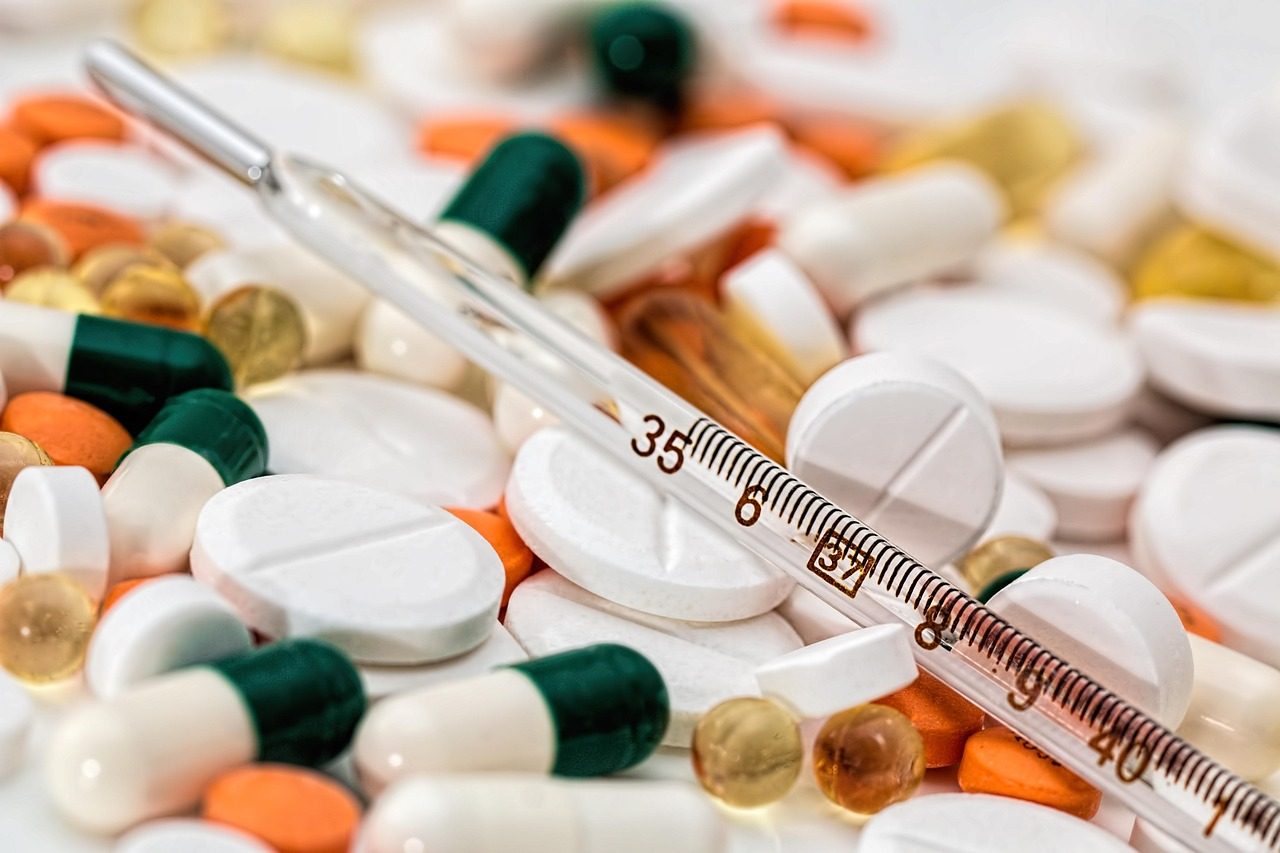
In the Balkan velayat of Turkmenistan, medical institutions have stopped issuing some medicines to HIV/AIDS patients registered at the regional centers. Several local doctors reported this on condition of anonymity.
According to one of the medics from Balkanabat, patients are no longer being given immunomodulators and immunostimulants, nor the injections they need. "The health department now considers it superfluous even to provide these patients with such medicines," he said.
Family doctors who monitor the condition of HIV/AIDS patients say that five tablets cost around 200 manats (about 120 dollars), and that this quantity lasts only five days. Many of those infected cannot buy antiretroviral therapy drugs themselves because of their high cost. According to one family doctor, the health of patients who cannot obtain the medicines deteriorates even further, they begin to lose weight, and there have also been deaths.
Requests to the regional health department went unanswered: on 10 November a representative of the agency said that the regional HIV/AIDS service should answer the questions, but an employee of the center, after hearing the questions, hung up the phone. Subsequent calls, including on 11 November, also went unanswered.
Turkmen migrant Davut Omerov, who lives in Europe and has HIV, said that in the early 2020s such medicines were provided to patients with the support of international organizations, and not at the expense of the Turkmen government. He called the halt in issuing the medicines a serious and alarming signal, and noted that state support for people with HIV in Turkmenistan had been extremely limited before as well.
According to several medical workers, there are seven large HIV/AIDS centers operating in Turkmenistan, with around two thousand people registered at them. Doctors believe that the real number of those infected may be significantly higher. Omerov also believes that there are far more than two thousand people with HIV in the country: many do not go to the specialized centers because of stigmatization and discrimination.
Medics say that patients are subjected to social isolation. According to one family doctor, employees of the Ministry of National Security fit patients with special GPS devices to track their movements, and family doctors are given instructions not to enter patients' homes during visits and to talk to them at the door. Doctors also told of cases in which relatives throw people with HIV out of the house: some of them are forced to spend the night on the streets, in parks and in the basements of buildings.
In 2024, the Ministry of Health and Medical Industry of Turkmenistan approved a procedure for providing medical care to people diagnosed with the human immunodeficiency virus; the corresponding order of the health minister dated 15 July 2024 was registered by the Ministry of Justice on 8 August of the same year. At the same time, according to human rights activists, the Turkmen authorities continue to forcibly send citizens for HIV testing, including those returning from abroad, as well as women.
Sources — how we know this
- PrimaryK-News