This story is currently available in anglais only — a translation isn't ready yet.
Al-Zaidi to Beirut to Discuss an Oil Route Bypassing Hormuz via Tripoli
Baghdad is discussing with Beirut and Damascus a line extending from Kirkuk to Baniyas and Tripoli, after crude exports fell to 2.7 million barrels per day from 3.5 before the war
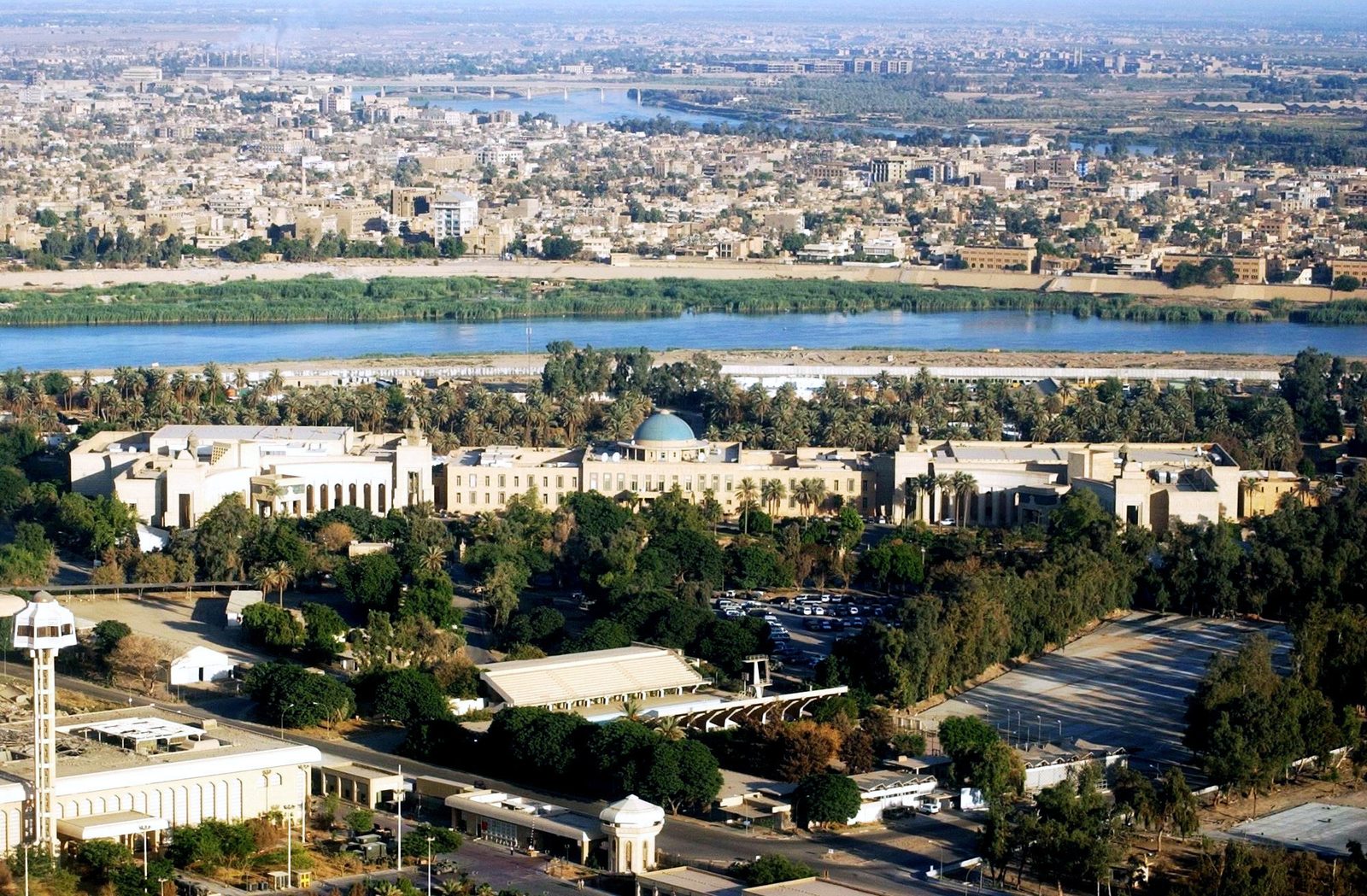
Iraqi Prime Minister Ali al-Zaidi heads to Beirut on Wednesday for a visit during which he will meet Lebanese President Joseph Aoun, Prime Minister Nawaf Salam and Parliament Speaker Nabih Berri, with the diversification of Iraq's oil export routes away from the Strait of Hormuz at the top of the agenda.
The talks will address boosting bilateral trade and customs exemption agreements, alongside security coordination on the counter-narcotics smuggling file.
The visit will also put forward a project to extend a pipeline linking the Iraqi city of Kirkuk to Syria's Baniyas port and then to Tripoli in northern Lebanon, in order to bypass Hormuz, which has been severely disrupted since the Israeli war on Iran began last February.
Walid Marrouch, professor of economics at the Lebanese American University in Beirut, said that "[Iraq] is looking for alternative routes to diversify its export routes," in the context of post-war Iran, the Hormuz issue and Gulf exports.
Iraq's oil ministry announced last month that crude exports reached about 2.7 million barrels per day, compared with about 200,000 barrels per day in May, after having been about 3.5 million barrels per day before the war. The increase was helped by the resumption of pumping this week through the Iraq-Turkey pipeline with an initial capacity of 120,000 barrels per day.
Tamer Badawi, associate fellow at the Royal United Services Institute (RUSI), said the visit most likely comes in the context of US envoy Tom Barak's efforts to diversify export routes "through Turkey, Saudi Arabia, Syria and Lebanon," adding: "The broader ambition is to develop alternative export corridors that link Iraq's oil infrastructure to regional networks."
The idea rests on old infrastructure in Tripoli: a pipeline from Kirkuk and a local refinery that refined 21,000 barrels per day of Iraqi crude in 1940, according to the Lebanese General Directorate of Oil, before it stopped in 1992. Sector workers say the city's oil infrastructure includes three old lines whose capacity historically reached a maximum of 900,000 barrels per day.
A report issued this year by the Basil Fuleihan Institute of Finance estimated that the terminal's infrastructure still carries significant latent capacity, with a moderate flow scenario of between 300,000 and 500,000 barrels per day that could generate for Lebanon between 80 million dollars and 275 million dollars annually, in an economy whose currency has lost more than 90 percent of its value since 2019.
The visit comes weeks after al-Zaidi met Syrian President Ahmed al-Sharaa in Damascus, where the two countries signed an agreement to rehabilitate the Kirkuk-Baniyas pipeline. The US State Department said at the time that the project "will have, once rehabilitated, an initial transport capacity of 2 million barrels per day of crude."
Before the crude reaches Tripoli it must cross about 250 kilometers of Syrian territory. Marrouch warned that Lebanon could benefit, but "if it does not get a seat at the table, it could be bypassed," because Iraq can already reach the sea from Syria. According to the institute, Syria is equipped to process between 350,000 and 500,000 barrels per day between the Baniyas and Homs refineries, a direct Mediterranean outlet that bypasses the Suez Canal and the Strait of Hormuz, but the report tips the balance toward Tripoli because its deep berths allow larger vessels and reduce the shipping cost per barrel, and its coast is sheltered from southern winds and waves, making it available year-round.
Sources — how we know this
- PrimaryAl Jazeera English
Energy Portfolio
Check your broker for the latest on energy stocks.
View Now →