This story is currently available in anglais only — a translation isn't ready yet.
Saudi Arabia Launches First Biological Samples from Middle East to International Space Station
Saudi Space Agency and King Abdullah University of Science and Technology participate in BioGravity-1 mission via SpaceX to study Alzheimer's and multiple sclerosis
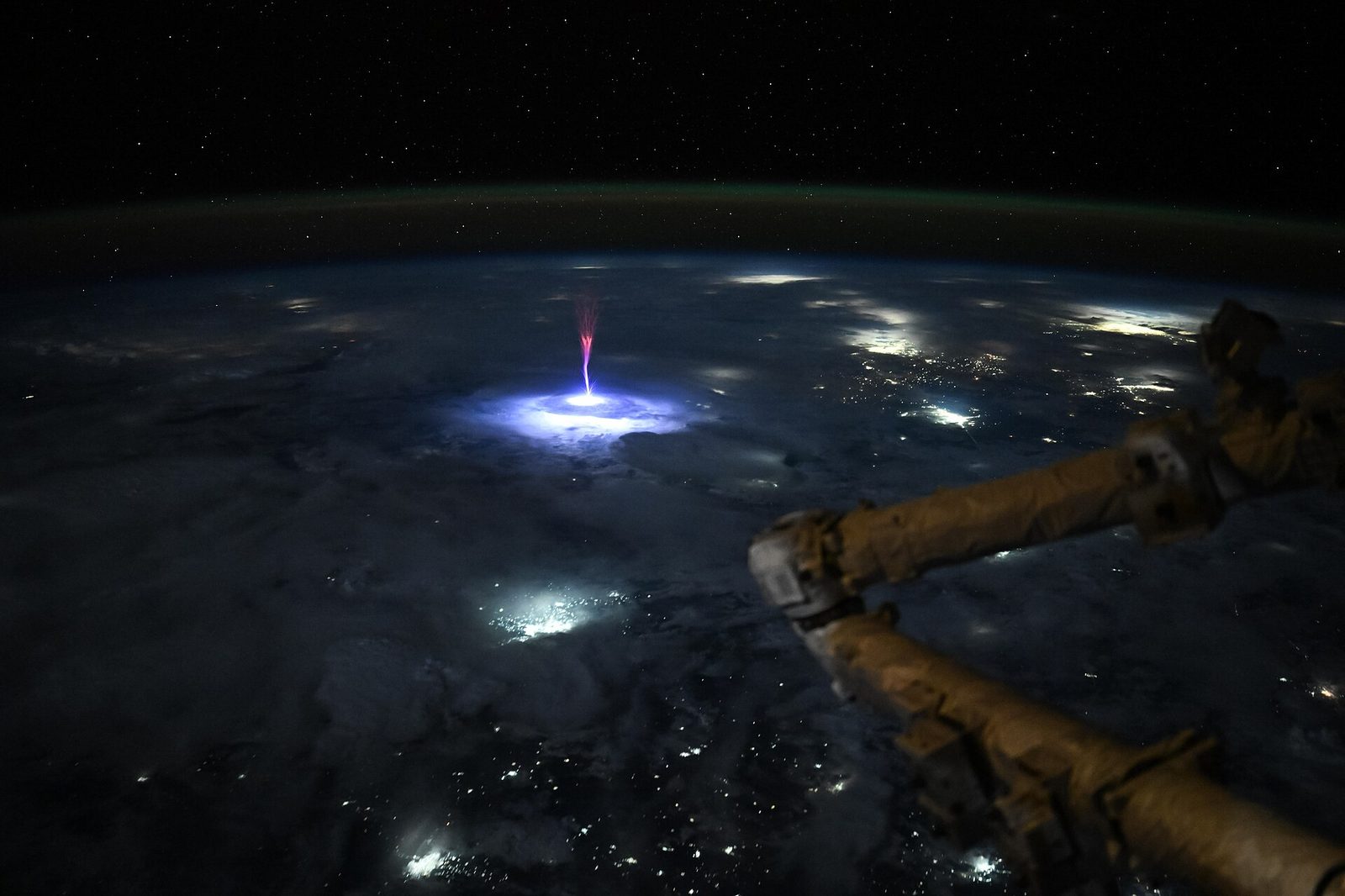
The Saudi Space Agency and King Abdullah University of Science and Technology (KAUST) have launched the first biological samples of their kind from the Middle East region to space, as part of the BioGravity-1 mission aboard SpaceX's CRS-35 spacecraft heading to the International Space Station, with support from NASA.
The mission comprises two scientific experiments developed by KAUST, designated SSA-1 and SSA-2, and involves sending reference human samples from healthy donors to space with the aim of establishing a comparative scientific baseline and studying cellular changes associated with aging and neurodegenerative diseases such as Alzheimer's and multiple sclerosis, taking advantage of the unique properties of the microgravity environment.
This mission represents the first phase of a long-term research program spanning three consecutive missions. The mission is being conducted as part of an international scientific partnership with the National Stem Cell Foundation (NSCF) and Axiom Space, both based in the United States.
The Saudi Space Agency emphasized that this achievement solidifies the Kingdom of Saudi Arabia's role in microgravity research and expands the application of space science in the fields of health and life sciences.
Sources — how we know this
- PrimarySaudi Gazette