This story is currently available in anglais only — a translation isn't ready yet.
Brent Falls to $95.37 as Oversupply Expectations Return Despite Hormuz Risks
The International Energy Agency expects global supply of 105 million barrels per day in the fourth quarter, exceeding demand by about 1.7 million barrels
ℹ️ Lecture par le navigateur · voix studio IA bientôt
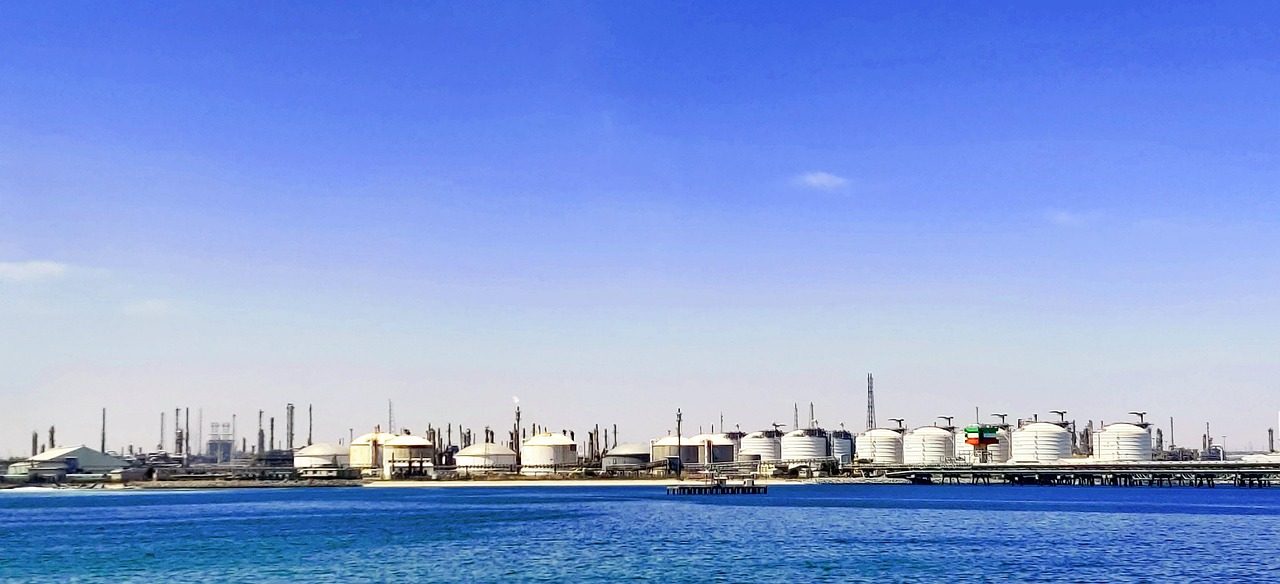
Brent crude futures fell 47 cents, equivalent to 0.49 percent, to $95.37 a barrel by 01:45 GMT, while US West Texas Intermediate dropped 23 cents (0.26 percent) to $88.33, amid growing expectations that a supply surplus will return to global markets in the final quarter of the year.
The decline came after both crudes ended Friday's trading lower, having lost 16 percent and 13 percent respectively during the previous week. Expectations of a surplus are based mainly on Middle East exports recovering at a faster pace than global demand growth, with oil flows through the Strait of Hormuz approaching the levels recorded before the war.
The International Energy Agency said in its report released Friday that the global oil market is heading toward a supply surplus in the final quarter of the year, after it had forecast a supply deficit in previous estimates. The agency expected global supply to average 105 million barrels per day during the fourth quarter, exceeding projected demand by about 1.7 million barrels per day.
Tim Waterer, chief market analyst at KCM Trade, said dealers have begun, for the first time since the outbreak of the US-Iranian conflict, to take seriously the possibility of a supply surplus rather than continued supply scarcity, adding that this shift in the market's view is weighing on trading sentiment.
As part of efforts aimed at easing supply pressures, the International Energy Agency provided additional details on the remaining volumes of the largest drawdown of member states' strategic oil reserves, which was announced in March: about 71 million barrels will be released by the end of February, including 15 million barrels of diesel, with the aim of easing pressures in refined products markets.
Pressure on prices increased with US President Donald Trump's decision to extend the waiver of the Jones Act for maritime shipping for 90 days. The law, under normal circumstances, requires goods moved between US ports to be carried on vessels flying the US flag, while suspending its application allows foreign vessels to transport oil and fuels, including gasoline and diesel, between domestic ports, which expands the number of available tankers and may ease some bottlenecks in domestic supplies.
But Waterer noted that high shipping costs remain a supporting factor for prices, given the risks facing tankers transiting the Strait of Hormuz, and with a number of vessels occupied with ship-to-ship oil transfers ahead of delivery to refineries.
The International Energy Agency had said that Gulf crude flows had recovered 82 percent of their pre-war levels.
Sources — how we know this
- PrimaryAsharq Al-Awsat
Energy Portfolio
Check your broker for the latest on energy stocks.
View Now →