This story is currently available in anglais only — a translation isn't ready yet.
A 'Green Tea' packet on a Korean beach reveals to Interpol a 24-ton drug network
The global police conference in Dubai hears how packaging images linked ketamine shipments across nine countries, and a warning that methamphetamine is taking root in the Middle East after the disruption of the Syrian captagon trade.
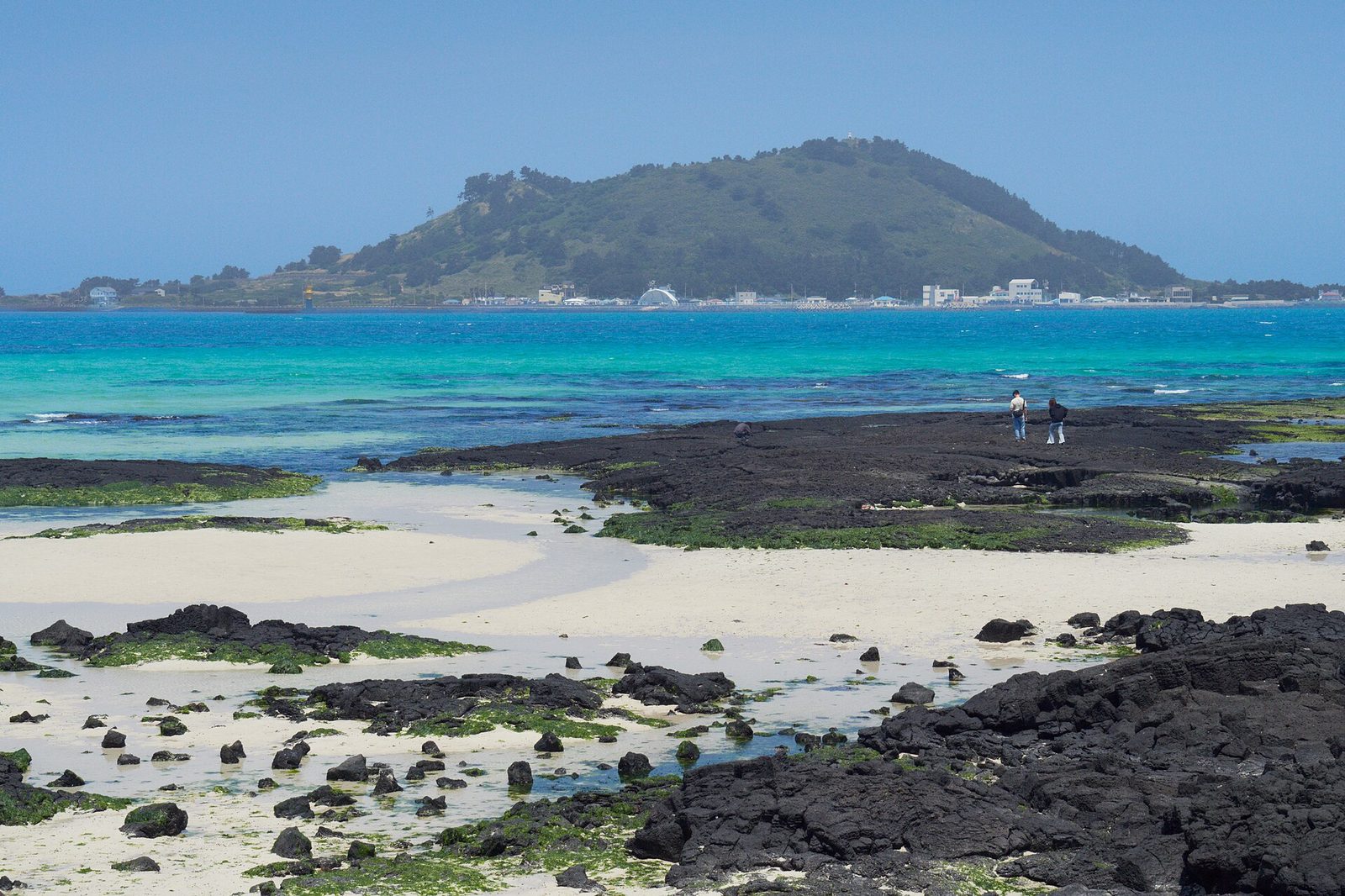
A plastic container bearing a 'Green Tea' label, found by a beach cleaner on South Korea's Jeju Island, led Interpol to a drug trafficking network linked to 24 tons of ketamine seized in nine countries. The case was presented at the global police conference held in Dubai.
Stephen Fry, Interpol's Executive Director for Investigations Support, said the container held ketamine, and that the South Korean authorities had requested the organization's assistance. Investigators compared the packaging images with information from previous seizures, found a match in shipments across nine countries, then another match, until the quantities were linked to a single criminal network.
Fry added: 'For these networks, the seized shipment is nothing more than the cost of doing business.' He called on police agencies to use every seizure to trace smuggling routes, financial flows, intermediaries and suppliers, rather than treating it as an isolated incident.
Siri Bjune, head of the border management branch at the United Nations Office on Drugs and Crime, warned that methamphetamine 'is increasingly taking root in the Near East and the Middle East' after the disruption of the Syrian captagon trade. She said: 'The end of the conflict in Syria disrupted captagon production and weakened the networks that were keeping the market going.' Syria was the world's largest source of captagon under Bashar al-Assad, whose regime fell in December 2024, and a large part of the trade fed Gulf markets.
Presenting the World Drug Report 2026, Bjune said that 331 million people used drugs worldwide in 2024, an increase of 34 percent over a decade, and that 'drug use has reached historically high levels.' She added that opium cultivation in Afghanistan rose from about 10,000 hectares in 2024 to more than 43,000 hectares in 2025, generating about 525 million dollars for Afghan smugglers so far this year.
Fry said that ketamine is the fastest-growing substance on Interpol's radar, that its seizures exceeded methamphetamine seizures for the first time in Operation 'Lionfish-Mayag', and that authorities seized quantities of fentanyl equivalent to 63 million potentially lethal doses. He noted that drugs were concealed inside leather and paint, that lead shielding was used to evade X-ray scanning, and that shipping documents were forged with the help of artificial intelligence.
He mentioned that Interpol intends to establish its first task force dedicated to drugs in South America, headquartered in Buenos Aires, with the participation of investigators from 12 countries, and that the 196 member states will vote in Hong Kong on making the 'Silver Notice' for tracing criminal assets a permanent capability.
Gabor Stankovic, a regional adviser at the UN office, called for dismantling the business structures behind smuggling: 'The intermediary, the driver, the transporter or the smuggler can easily be replaced. We must target the business.'
Sources — how we know this
- PrimaryGulf News