This story is currently available in anglais only — a translation isn't ready yet.
4-hour air traffic failure in the US caused more than 16,000 flights to be cancelled
A communications failure in the FAA's aging infrastructure halted flights; Transportation Secretary Sean Duffy asked Congress for $50 billion for modernization.
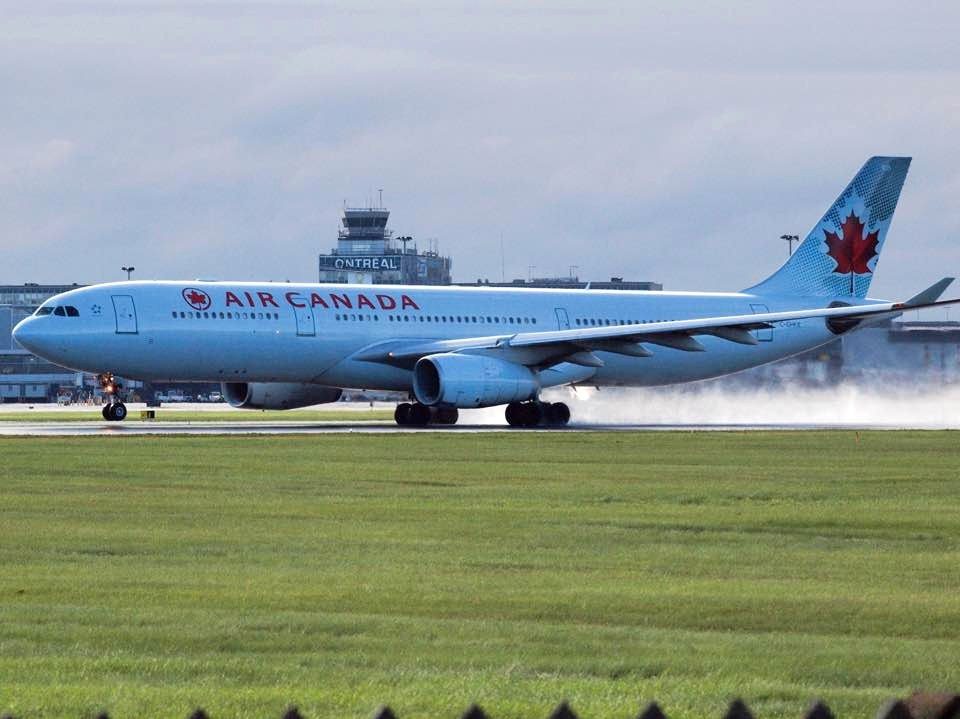
Flights that were halted nationwide in the US because of a communications failure in air traffic control systems have resumed; the 4-hour ban led to the cancellation of more than 16,000 flights and the delay of 8,600 flights. According to a compilation by İsmail Şahin at Milliyet Emlak, the bill for the failure is estimated to exceed $1 billion.
Transportation Secretary Sean Duffy criticized Congress for failing to provide the funding needed for a new system that could prevent the outages, and called for $50 billion to be allocated for the modernization of the system. Congress had set aside a $12.5 billion budget for modernization in 2025; while the Transportation Department says the project's total cost will exceed $31 billion, the FAA has also requested additional resources. A September 2025 report by the US Government Accountability Office (GAO) set out that air traffic systems need to be renewed.
Deferred investments are not limited to aviation: $47 billion of investment is needed just to close the accumulated repair backlog on railways, the main fund that finances interstate highways and bridges has a $318 billion shortfall, and the repair of more than 220,000 bridges is on hold. According to the National Dam Inventory, the 92,591 dams in the US have an average age of 65, and the share of high-hazard dams requiring emergency repair is 19 percent.
Federal debt reached $40.2 trillion as of September 30, 2026; debt, which rose by about $2.5 trillion in fiscal year 2026, climbed to $40.6 trillion in mid-November, and the 10-year increase reached 105 percent. In the same fiscal year the federal government took in $5.4 trillion in revenue while spending $7.4 trillion, running a deficit of about $2 trillion. Net interest expense was $1.05 trillion; that means an average of $87.5 billion a month, $2.9 billion a day and about $120 million an hour. About one-fifth of federal revenues now go solely to net interest payments. According to the GAO, interest expense on publicly held debt roughly tripled in five years; public debt interest, which stood at $392 billion in 2021, reached about $1.1 trillion in 2026.
When Donald Trump took office on January 20, 2025, federal debt was about $36.2 trillion; it rose by more than $4 trillion over a period of 1 year and 9 months. The Congressional Budget Office (CBO) expects publicly held federal debt to rise from 101 percent of GDP in 2026 to 120 percent in 2036; that ratio will also surpass the historic peak of 106 percent seen after the Second World War.
The Iran war that Trump launched together with Israel on February 28, 2026 also inflated the bill: the rise in oil prices after the closure of the Strait of Hormuz, through which 25 percent of the world's oil and natural gas shipments pass, imposed an additional financial burden of $153 billion on the American public over the 260 days that followed; the oil shock pulled annual growth down by 0.81 points, pushing the bill above $250 billion. The measurable direct military and energy bill of the Iran war for the US exceeded $203 billion; that means about $785 million a day and about $1,551 per American household. $174.2 billion was allocated for Ukraine between 2022 and 2024, and total war-related appropriations reached $196.4 billion by mid-2026. US bilateral aid and missile defense support to Israel over the 1946-2025 period is about $174 billion; the supplemental package passed in 2024 alone contained $3.5 billion in military financing and $5.2 billion in missile and air defense support. The US has about 750-800 military installations or access points in more than 80 countries.
On the customs side, the US Supreme Court ruled in February 2026 that IEEPA does not grant the president the authority to impose tariffs in this scope; a refund process then began for about $165 billion in collections.
Sources — how we know this
- PrimaryMilliyet Emlak