This story is currently available in anglais only — a translation isn't ready yet.
Forensic pathology professor Freeman argues for possibility of homicide in Epstein's death
Freeman argued that two separate pressure marks on the neck cannot be explained by suicide by hanging; the New York Medical Examiner's Office stands by its official finding.
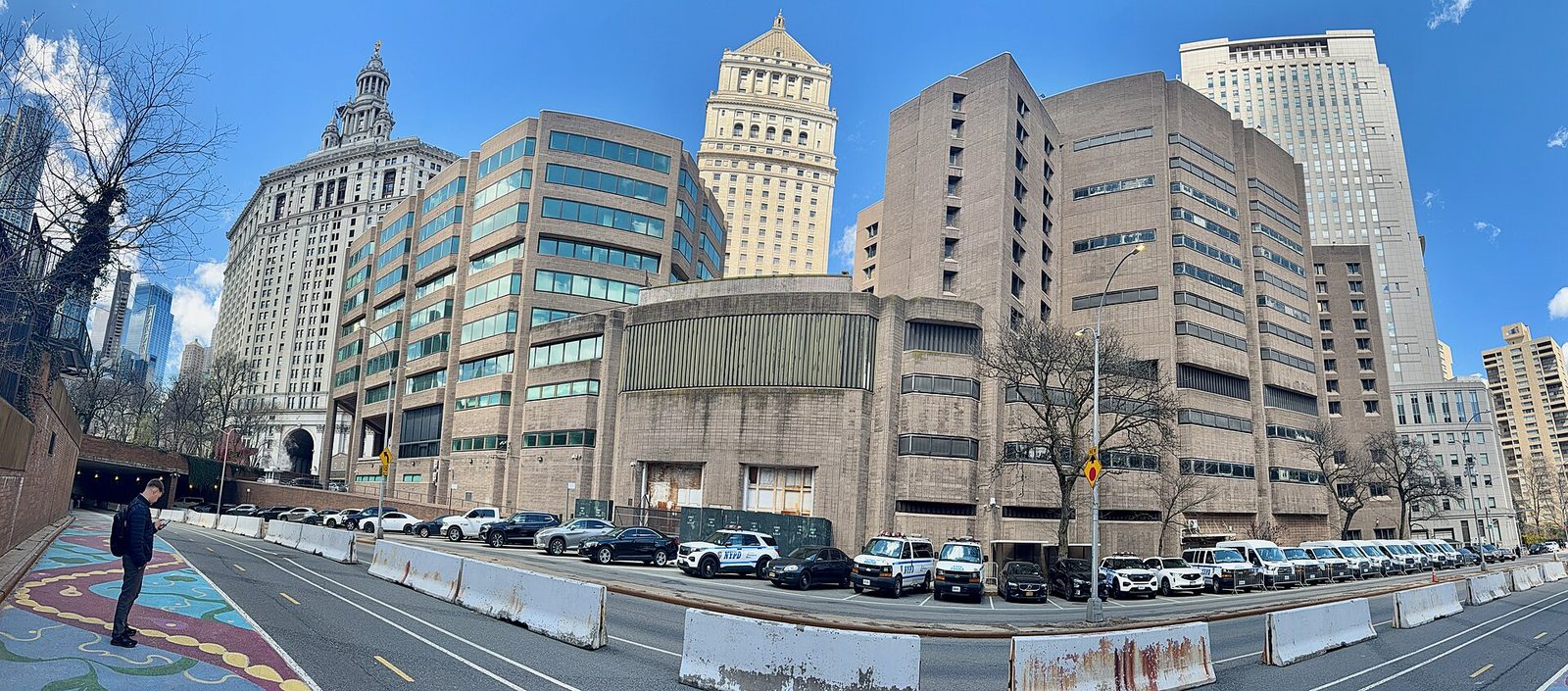
Forensic pathology professor Michael Freeman, in a new examination of the discovery of Jeffrey Epstein's body on August 10, 2019, at the federal prison in Manhattan, New York, argued that the injuries on the body do not match the scenario of suicide by hanging. According to a report by Cumhuriyet based on CBS News, Freeman is the editor-in-chief of the Journal of Forensic and Legal Medicine; he spent months examining previously unpublished autopsy documents, photographs and other evidence provided to him by Epstein's brother.
Forensic pathology professor Anders Eriksson of Umeå University in Sweden, together with researcher Itiel Dror, who works on the effect of biases in forensic medical assessments, took part in the study. The results were shared with the public in London on Monday.
One of the findings Freeman highlighted is two separate pressure marks formed at different angles on Epstein's neck. Stating that one of the marks was lower than the other and at a different slant, Freeman argued that this cannot easily be explained by a self-hanging mechanism; he said that even if the fabric formed two separate loops, the marks should follow a similar direction toward the point where they were tied.
Freeman assessed the possibility that Epstein may have been strangled with a fabric knotted by another person. He stated that the horizontal marks on the neck could have been formed by pressure applied from behind, and drew attention to the orange fabric seen in photographs taken in the prison cell; it was noted that the fabric bore characteristics similar to the material used in inmate bedding in the prison. He said the piece, consisting of two knots and a narrow loop, was not collected as evidence in the initial forensic examination. The examination also addressed injuries identified on Epstein's face and left shoulder and marks assessed as possibly originating from fingernails.
Within the scope of the research, a three-dimensional biomechanical model was prepared based on the statements of correctional officer Michael Thomas and the injuries in the autopsy photographs. Freeman acknowledged that some of the injuries on the neck could be explained by hanging; however, he argued that the deep bleeding in the soft tissue of the left shoulder and an injury on the back could not be explained by this mechanism.
Deficiencies in the initial investigation were also raised: it was stated that Epstein's lifeless body was removed from the cell only a few minutes after it was found, so the scene could not be photographed in its initial state, and that the cell was not fully secured for a comprehensive criminal investigation. Most of the security cameras in the prison unit were not working; it was alleged that in the recordings of the nearest functioning camera, an orange-colored image of undetermined origin was detected on the stairs leading to the corridor where the cells are located, and that federal investigators did not examine this image in more detail. It emerged that some officers had falsified records and provided false information about the procedures they carried out in the hours before the incident. Thomas testified to investigators about two years after the incident, after facing charges linked to falsified records; he said he found Epstein hanging from one of the bed's support sections. Freeman argued that the officer's statement that Epstein's body was cold when he was found at around 06:30 in the morning indicated that death may have occurred hours earlier.
The New York Medical Examiner's Office did not change its official assessment that Epstein committed suicide. A spokesperson for the office told CBS News that they stand behind their existing findings on the cause of death and did not comment in detail on Freeman's findings. There are also questions about the scientific validity of Freeman's work.
Sources — how we know this
3 independent sources corroborated this
- PrimaryCumhuriyet Gazetesi
- CorroboratingAnadolu Ajansı (TR)
- CorroboratingDer Spiegel