This story is currently available in anglais only — a translation isn't ready yet.
Building charter announced in Antalya targets 25 percent drop in energy intensity by 2035
The UN Environment Programme announced the 2035 target and six priority areas of the charter prepared by Türkiye's COP31 presidency; buildings consume 28 percent of the world's energy.
ℹ️ Lecture par le navigateur · voix studio IA bientôt
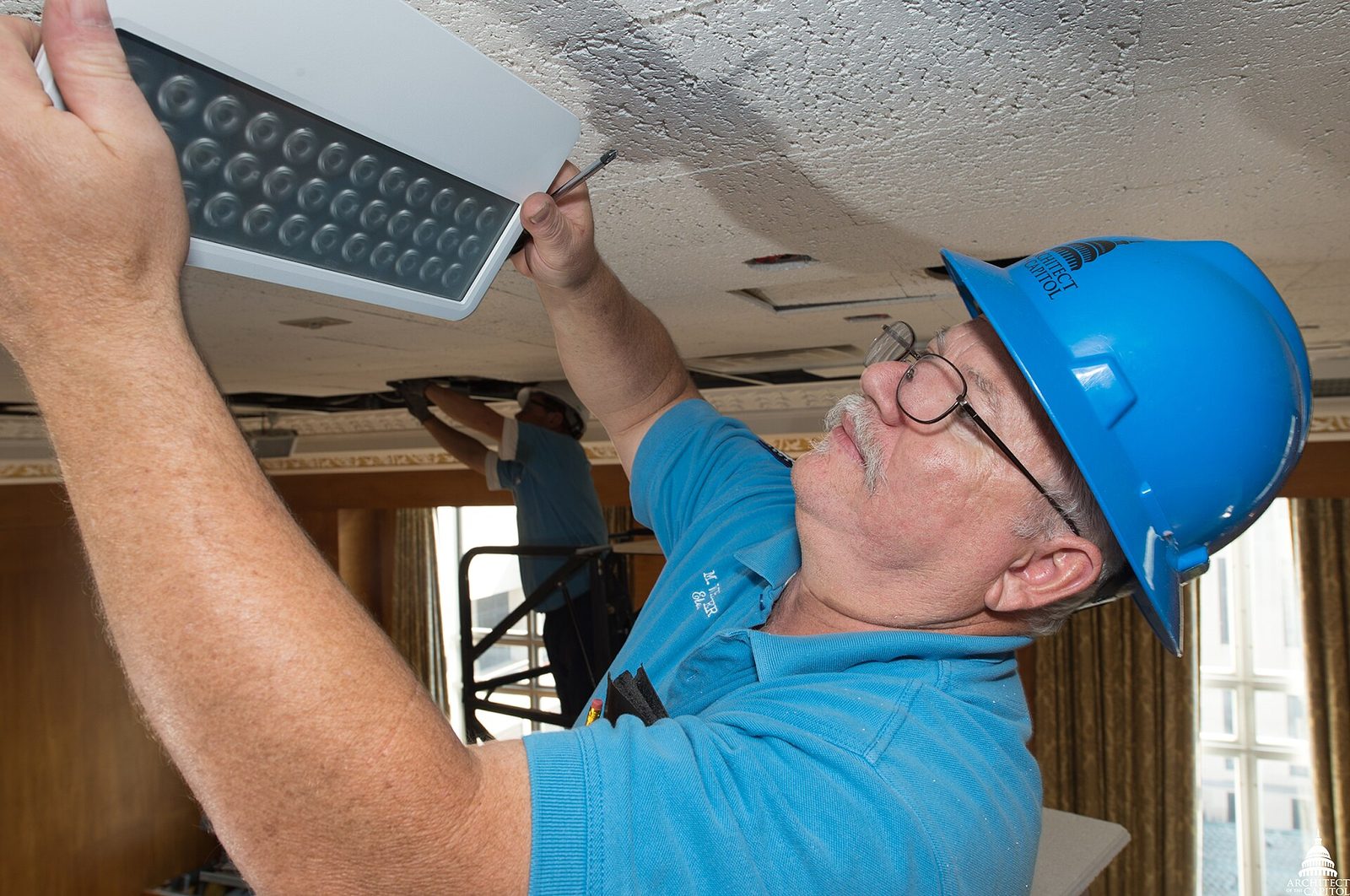
The UN Environment Programme (UNEP) announced the Antalya Energy-Efficient Buildings Charter developed by Türkiye's COP31 presidency; the charter aims to cut the operational energy intensity of buildings worldwide by at least 25 percent by 2035. The 31st Conference of the Parties to the UN Framework Convention on Climate Change will be held in Antalya between 9 and 20 November 2026.
According to the statement UNEP gave to Al Jazeera Net, the charter was prepared by Türkiye's COP31 presidency; the UN Environment Programme provided support through the Global Alliance for Buildings and Construction (GlobalABC). The charter sets out six priority areas for reaching the target: national policies and building codes, renovation of existing buildings, efficient electrification in heating and cooling, improvement of building performance, resilience of energy systems, and access to finance and technical expertise.
According to UNEP's Global Status Report for Buildings and Construction, building operations emitted 9.9 billion tonnes of carbon dioxide in 2024; that corresponds to about 26 percent of global energy-related CO2 emissions. Buildings accounted for about 28 percent of world energy consumption in 2024; most of that energy was used for heating, cooling and lighting and for operating homes, offices, schools and hospitals.
According to the same report, between 2015 and 2024 global building floor area grew by 20 percent, energy consumption in buildings by 11 percent and operational carbon dioxide emissions by 6.5 percent. Energy intensity in buildings fell by only 8.5 percent over the same period; in 2024 progress stalled and intensity held steady at an average of 129 kilowatt-hours per square metre.
According to UNEP's Global Cooling Watch 2025 report, global cooling capacity could more than triple between 2022 and 2050. It states that unless stricter measures are taken, emissions from cooling could rise from 4.1 billion tonnes of carbon dioxide equivalent in 2022 to 7.2 billion tonnes in 2050. UNEP notes that more than 1 billion people lack access to adequate cooling.
UNEP reported that the charter aims to help countries set their priorities, strengthen their policies and find financing through the intergovernmental Buildings and Climate Council and the GlobalABC network. According to the programme, buildings are a cornerstone of the climate fight, but historically they have drawn less attention than sectors such as power generation or transport.
UNEP stated that, with building demand continuing to rise especially in emerging and developing economies, "the buildings we construct today will determine the energy consumption patterns and emission levels of the coming decades."
Sources — how we know this
- PrimaryAl Jazeera (AR)