This story is currently available in anglais only — a translation isn't ready yet.
Bomb-threat wave disrupts 50-plus European flights and thousands of schools
Wizz Air's chief executive wants harmonized procedures as national authorities answer the hoaxes with different tools.
ℹ️ Lecture par le navigateur · voix studio IA bientôt
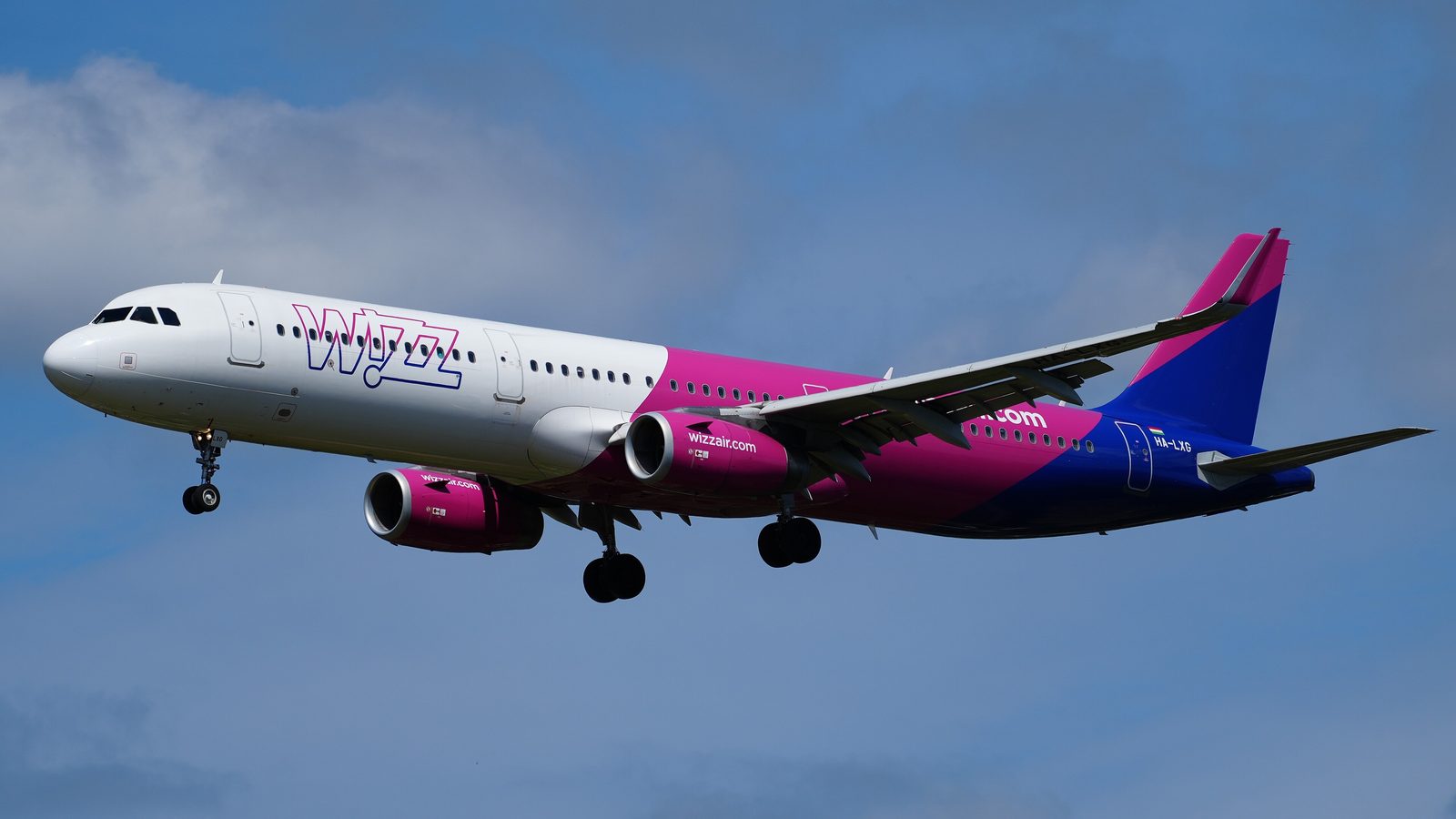
Bomb threats sent mainly by email have disrupted more than 50 flights, thousands of schools, several media broadcasters and at least one cruise ship across Europe, and every one has so far proved false.
National responses diverged. Some authorities diverted flights to other airports, while Hungary and France scrambled fighter jets to escort the affected passenger planes.
Wizz Air chief executive József Váradi used a post-earnings call on Thursday to call for more harmonized security procedures and alluded to the possible creation of a central body to manage such hoaxes. He said he had recently held a meeting with European Commission officials to push for a coordinated response, describing the issue as "a very hot potato because of the sovereign nation state concept".
Grégoire Roos, director of the Europe, Russia and Eurasia programs at the London-based Chatham House think tank, said the initial security responses had been strong but that coordination between European countries remains insufficient. Each country is responding with "its own toolbox and standards" because the threats are a relatively new phenomenon, he said. A first step would be a Europe-wide threat assessment standard, with emergency measures depending on corroborating intelligence and the circumstances of each incident at continental level. Whoever is behind the attacks is exploiting differences in national procedures, he added, producing "a scrambled response and within that scrambled response you have sub-levels" that increases response time.
Italy received threats at around 6,300 schools on Wednesday and around 3,778 on Thursday. Hundreds were evacuated, but many stayed open. Prime Minister Giorgia Meloni urged parents to remain calm and keep disruption to a minimum, and proposed new evacuation protocols stipulating that schools should not be evacuated based solely on a mass email and without concrete evidence. Her government issued the new protocol.
Schools in Scotland and Northern Ireland received threatening emails on Wednesday, as did schools in the Republic of Ireland; police said they were likely hoaxes and no evacuations followed. Heathrow and Birmingham airports continued operating after threats against them were assessed as not credible.
Investigators face a digital trail. Some messages were signed by "Male State", a Russian ultra-nationalist group, but authorities suspect these could be false attributions. Cybersecurity firms Proofpoint and Abnormal Security found a large portion of the threats were sent from legitimate webmail accounts that had been hijacked. European officials have increasingly warned about hybrid warfare, with Russia frequently accused of using cyberattacks, sabotage and disinformation.
Sources — how we know this
- PrimaryEgypt Independent