This story is currently available in anglais only — a translation isn't ready yet.
China silent on two detained Americans as Trump prepares to raise cases with Xi
The State Department has labeled seismologist Youlin Chen and academic Min Zin 'wrongfully detained'; Beijing rejects the designation as Trump prepares to meet Xi in Shenzhen.
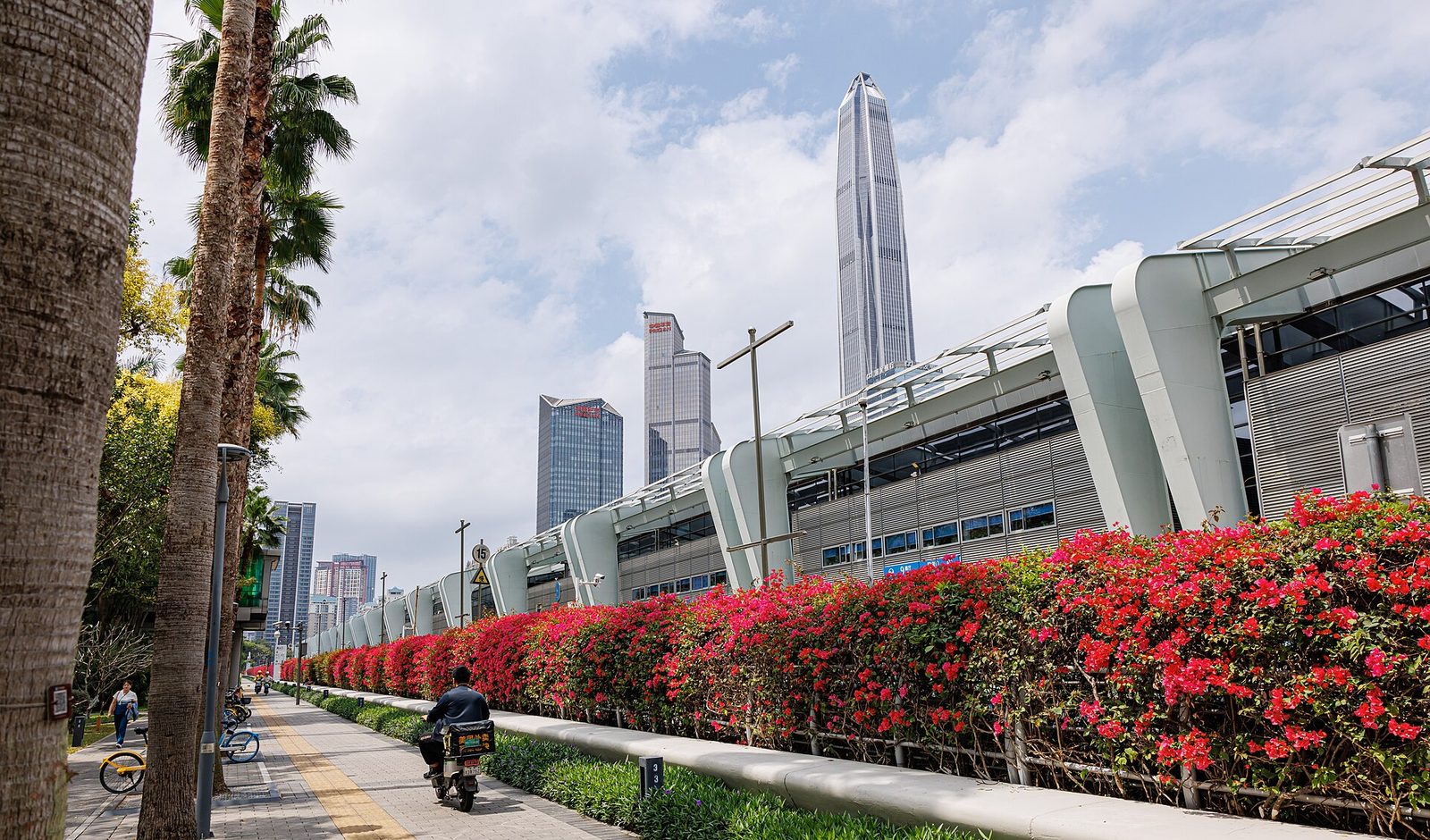
China has not engaged with the United States over the fate of two Americans it holds — seismologist Youlin Chen, jailed for over two years, and academic Min Zin, arrested in June — despite multiple personal appeals from President Trump and positive signals from Chinese President Xi Jinping. Trump is likely to raise both cases when he meets Xi on the sidelines of the APEC summit in Shenzhen on November 18 and 19, a third time for Chen and a second for Min Zin.
Min Zin was hospitalized in October, treated for dehydration, stomach illness and other ailments. "The beginning of December will mark 6 months of Min Zin's detention. I continue to worry about the impacts of his imprisonment on both his physical and mental health," his wife, Sylvia Zin, said in a statement. She urged Trump to demand "Min Zin's immediate and unconditional release" when he sees Xi at the summit.
The State Department has labeled both men "wrongfully detained." Chen has been accused of espionage; Min Zin has not yet been charged. Both cases are being handled by China's Ministry of State Security, the country's principal civilian intelligence service. Advocates for Min Zin say there is a window to secure his release before charges are issued, but worry that charges would set off a new timeline for trial and sentencing.
A spokesperson for the Chinese embassy in Washington rejected the designation, saying the two are "suspected of engaging in activities that endanger China's national security and violate Chinese law," and that "there is no such thing as so-called 'wrongful detention.'"
In October the State Department added a "D" risk indicator to its China travel advisory, flagging a serious risk of wrongful detention of Americans. The advisory remains at Level Two; the new indicator suggests the department is considering Level Three. Of the seven countries carrying "D" indicators, five are at Level Three or Level Four, including Afghanistan, Iran, North Korea, Russia and Nicaragua. Eric Lebson, who is helping advise the Chen family, called it "a very clear signal from the Trump administration to the Chinese government that they have made commitments to resolve these cases and they have not taken action."
House and Senate resolutions introduced in September backed the "D" indicator and urged the State Department to review whether China fits the category of a State Sponsor of Wrongful Detention. Trump created that label by executive order, and Congress codified it later that year; it has so far been applied to Afghanistan and Iran. Chinese Foreign Ministry spokesperson Lin Jian said at the time: "There is no so-called issue of 'wrongful detention' in China."
The State Department says Trump has helped secure the release of at least 115 Americans held abroad.
Sources — how we know this
- PrimaryThe Hill