This story is currently available in anglais only — a translation isn't ready yet.
COP31 enters ministerial week as Turkey pushes 35% electrification goal
EU negotiator Diana Acconcia says Europe stands with the science as Saudi Arabia and Russia question the IPCC timetable
ℹ️ Lecture par le navigateur · voix studio IA bientôt
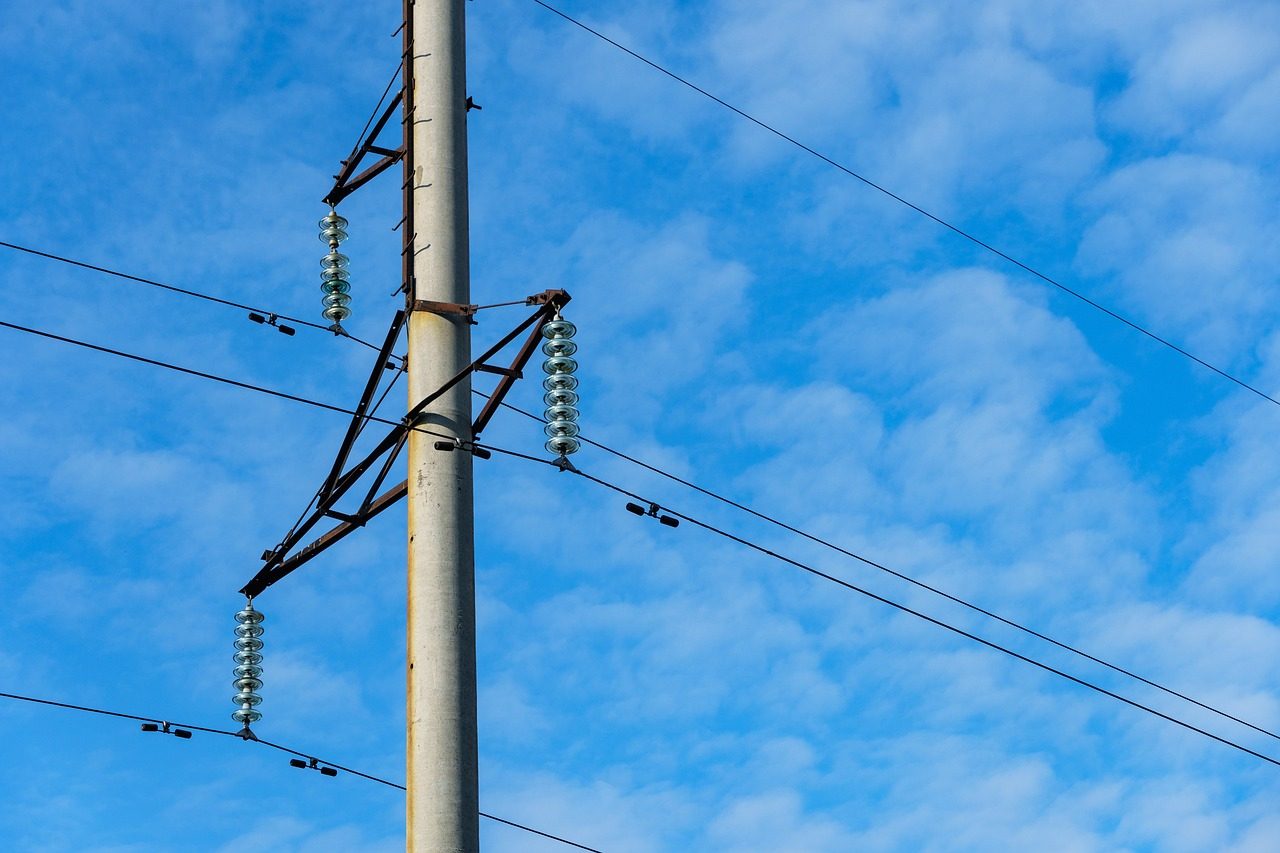
Ministers take over the COP31 climate talks in Antalya this week, with the Turkish presidency still unable to say how many governments back its plan to commit the world to 35 percent electrification by 2035.
German Environment Minister Carsten Schneider joins the second week and will lead the negotiations on greenhouse gas mitigation alongside his Indian counterpart, Bhupender Yadav. Heike Henn, the German environment state secretary, led the delegation through the first week, speaking in the hills two hours' drive from Antalya in front of a burnt-out house whose family had fled wildfires weeks earlier — fires the responsible foresters say are becoming more frequent as a result of climate warming.
The electrification target is not on the official agenda. Turkish summit leader Murat Kurum says he believes a consensus will be reached and wants to anchor a global electricity goal in a closing declaration, ideally tied to a figure of 35 percent by 2035. Turkey has not said how many states support the initiative, and Saudi Arabia and Russia have voiced scepticism.
Environmental groups say the same two countries are also attacking the scientific basis of the process by trying to postpone the next report of the Intergovernmental Panel on Climate Change. "Europe stands on the side of science," said the EU's negotiator, Diana Acconcia, adding that she hopes a majority of partners will join by the end of this COP. Johan Rockström of the Potsdam Institute for Climate Impact Research called the move "just a smokescreen, just an excuse not to act."
A new report projects 2.7 degrees Celsius of warming if the world community changes nothing, while the latest UN Environment Programme assessment has the planet heading for 2.6 degrees by the end of the century even if countries keep to their current climate plans. The 1.5-degree limit adopted in Paris will be exceeded in the coming years, what the jargon calls overshoot.
Money remains the other fault line. Developing countries, African states above all, want clarity on how much adaptation finance they can count on; a decision at last year's summit in Brazil to triple adaptation financing left the base year undefined.
More than 80 states had joined a voluntary Brazilian initiative on moving out of fossil fuels, and it drew wide support in Antalya's first week, though environmental groups doubt it will make a final declaration. Jennifer Tollmann of the development organisation Germanwatch said the first week made clear that "the future is electric", noting that Vietnam and Indonesia are further along in electrification than Germany and that the British government presented its own electrification strategy. Activists criticised the absence of Chancellor Merz.
Sources — how we know this
- PrimaryTagesschau
Energy Portfolio
Check your broker for the latest on energy stocks.
View Now →