This story is currently available in anglais only — a translation isn't ready yet.
Dutch coalition in crisis after VVD rejects its own budget over €1bn wealth-tax deal
VVD leader Yesilgöz demands a 'fundamental reset' after D66 and CDA agreed a wealth-tax amendment with left-wing Pro behind the party's back.
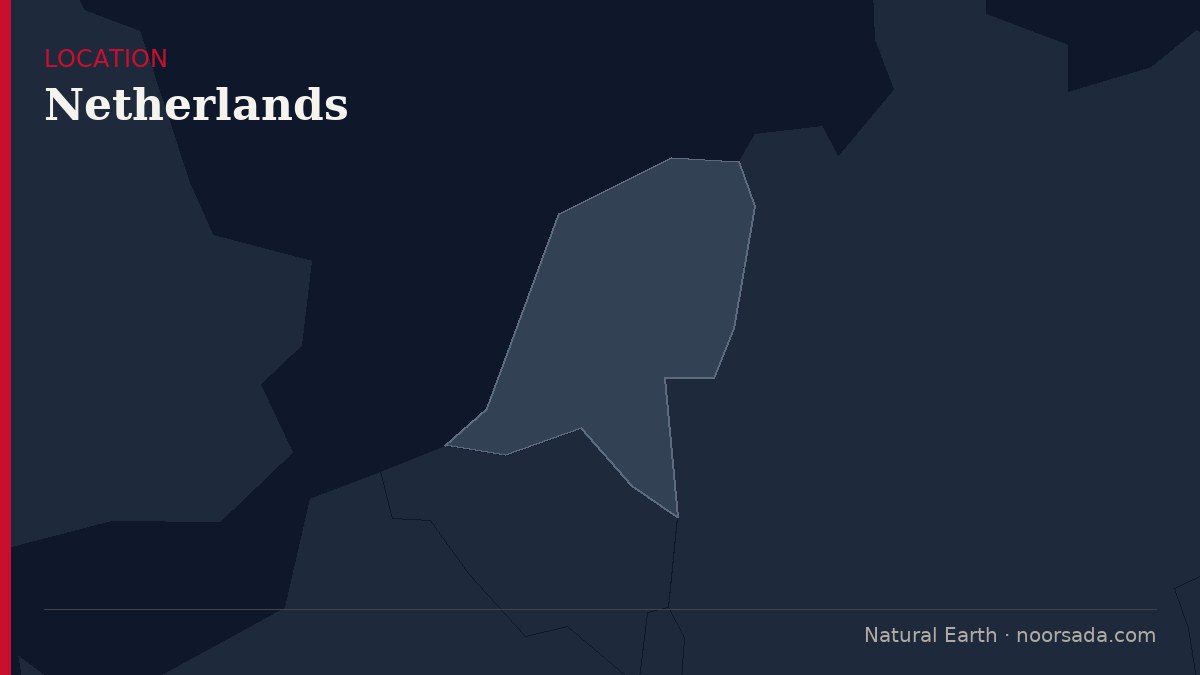
The Netherlands' three-party centre-right coalition is in deep crisis after the VVD voted against the tax bill its own finance minister, Eelco Heinen, had drafted, following a last-minute deal struck without its knowledge.
D66 and the Christian Democrats (CDA), negotiating with the left-wing Pro party, agreed an amendment raising an additional €1 billion in wealth taxes to fund an income tax cut for the lowest earners — a scaled-down version of Pro's original demand of €1.5 billion, with counterbalancing measures to protect modest savers. The VVD rejected it as a red-line violation: raising taxes on entrepreneurs.
Pro leader Jesse Klaver then described the measure publicly as a "millionaires' tax," a phrase that caused equal offence to CDA leader Henri Bontenbal. VVD leader Dilan Yesilgöz denounced the deal as "a bad deal for the Netherlands" and demanded a "fundamental reset" of the coalition.
The bill nonetheless achieved a parliamentary majority, with the VVD's partners ultimately salvaging it with support from fringe parties Denk and the animal rights party PvdD.
The crisis has roots in a collective decision taken roughly ten days earlier for the three parties to pursue separate parliamentary majorities — an "open marriage" in commentators' phrase — allowing D66 and CDA to pair with Pro while the VVD courted right-wing opposition parties. None of the parties had agreed the terms of that arrangement.
Rob Jetten, the minister who steered the tax bill to a parliamentary majority, prefers to describe the situation as a "restart." New elections carry risks for all three parties, whose poll standings have been damaged by the tax saga. If the coalition survives, it will function as a marriage of inconvenience.
Sources — how we know this
- PrimaryDutchNews