This story is currently available in anglais only — a translation isn't ready yet.
EU Commission readies extra 45 billion euro loan for Ukraine
Von der Leyen wants a deal at the 26-27 November summit; Merz insists all 27 member states pay interest on the joint borrowing.
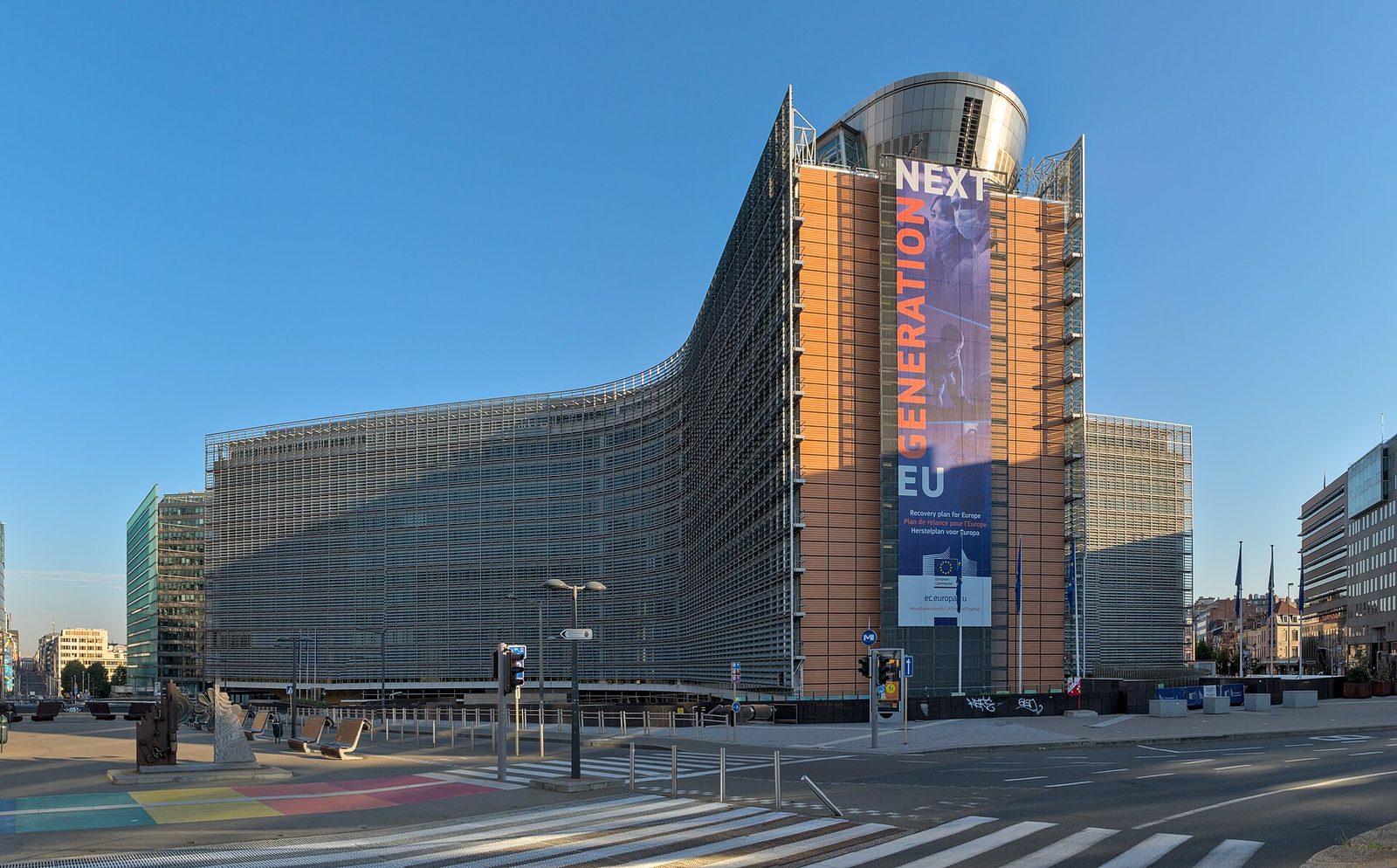
The European Commission will ask member states on Wednesday to back an additional 45 billion euro loan for Ukraine, financed through joint EU borrowing and secured against the EU budget. Commission President Ursula von der Leyen has set the next EU summit in Brussels on 26 and 27 November as the deadline for agreement.
The existing 90 billion euro credit, intended to cover Ukraine's financing needs for 2026 and 2027, is no longer sufficient. Kyiv says it needs a further 70 billion euros for 2027 alone. EU officials attribute the gap to intensified Russian attacks and rising war costs: Ukrainian factories increasingly halt production because of air strikes, and attacks on ports and cargo ships have largely blocked Ukrainian agricultural exports, cutting tax revenues while weapons and ammunition have grown more expensive.
Speaking at a meeting of EU foreign ministers on Monday, the EU's foreign policy chief Kaja Kallas said: "We see that Russia is massively stepping up its attacks." She said Moscow is striking rail lines, bridges and the energy supply to inflict the greatest possible suffering on civilians and force Ukrainians to capitulate before the hard winter.
German Chancellor Friedrich Merz has pressed other EU leaders for a rapid solution and demanded that no member state be exempt from interest payments. "It will be a very hard winter for the country," he said at last week's EU summit in Dublin.
Under the earlier 90 billion euro loan, Hungary, Slovakia and Czechia secured exemptions from financing and interest payments. All three refuse to contribute this time, and Bulgaria also rejects participation; Hungarian Prime Minister Péter Magyar and Bulgarian Prime Minister Rumen Radev cite strained budget positions. In a letter to European Council President António Costa, Merz made agreement on Ukraine financing a precondition for further negotiations on the next long-term EU budget for 2028 to 2034.
Denmark's Foreign Minister Lars Løkke Rasmussen said: "Ukraine has a financing problem. We must solve it" — if possible before the turn of the year. Sweden's Foreign Minister Maria Malmer Stenergard criticised several member states for scaling back their own aid, saying that everyone declares support for Ukraine "as long as it is necessary" and must now deliver.
Sources — how we know this
2 independent sources corroborated this
- PrimaryHandelsblatt
- CorroboratingTASS English