This story is currently available in anglais only — a translation isn't ready yet.
EU envoy says Jordan absorbs shocks as kingdom courts $15 billion in projects
Pierre-Christophe Chatzisavas says Brussels wants to move from donor aid to joint investment, with a Dead Sea conference on Thursday set to showcase logistics and water projects.
ℹ️ Lecture par le navigateur · voix studio IA bientôt
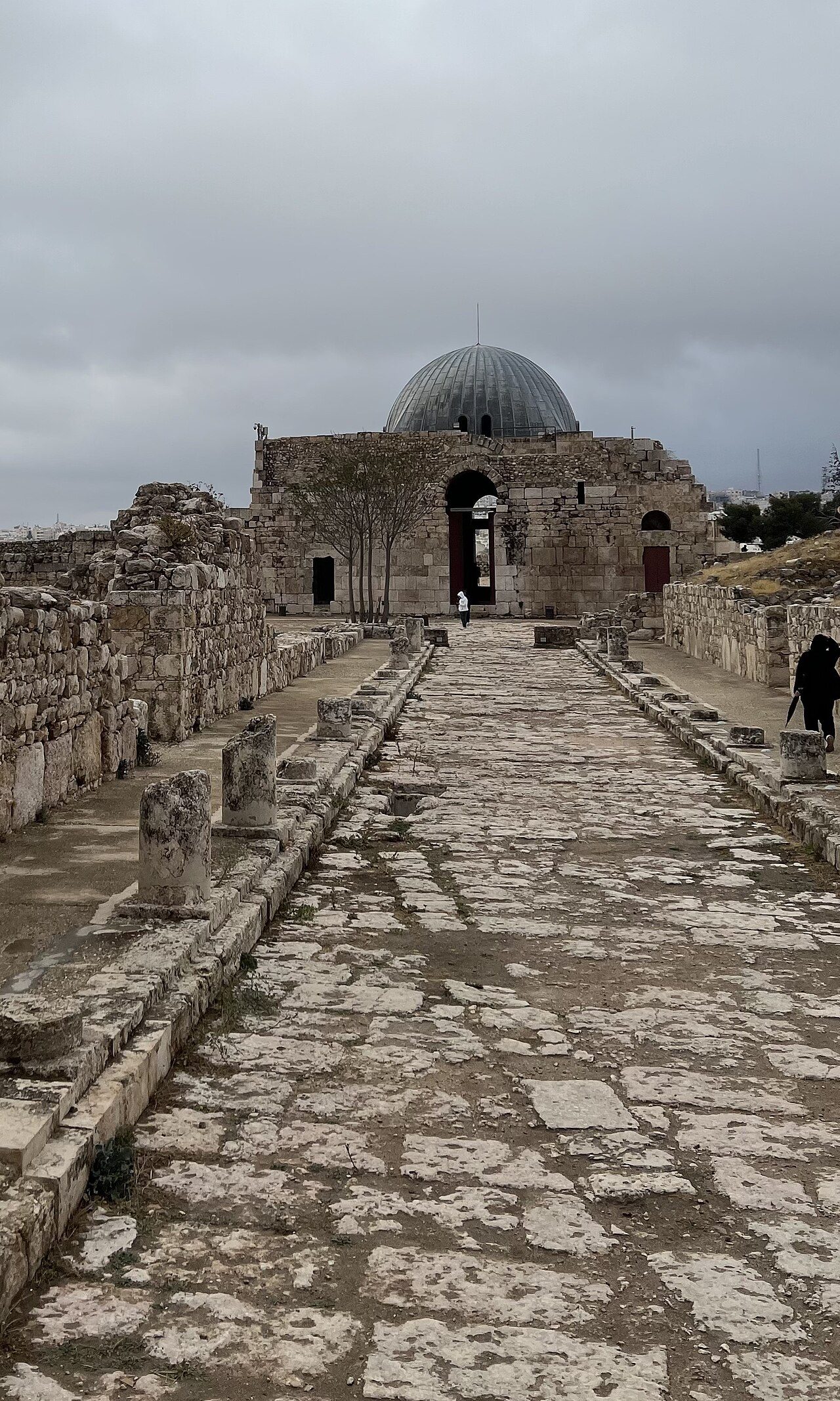
The European Union's ambassador in Amman, Pierre-Christophe Chatzisavas, said Jordan is "demonstrating a unique sense of self-preservation and capacity to absorb shocks", as the kingdom prepares to put $15 billion of projects to investors at a Dead Sea conference on Thursday.
Logistics and transport dominate the list Jordan's government will present. The proposed ports, roads, rail links and logistics hubs are intended to "leverage Jordan's position as a regional corridor", according to Global Law Experts, an organisation that links businesses to lawyers. Chatzisavas said the kingdom has become a port for Iraq and Syria and a "good place" to conduct regional business, citing traffic at Aqaba, its only port on the Red Sea coast. The Aqaba container terminal handled 60,178 twenty-foot equivalent units in transit in the first half of this year, three times more than the same period last year. Shipping companies say they have faced bottlenecks and delays at the land crossings with Syria and Iraq.
King Abdullah II is expected to lay the cornerstone on Wednesday for the Aqaba–Amman Water Desalination and Conveyance Project, which secured $5.8 billion of mainly western funding this year. The European Investment Bank and the European Bank for Reconstruction and Development are the major financiers, together with the government-run US International Development Finance Corporation. In 2024 the government awarded the project to an international consortium controlled by French asset company Meridiam, which also holds the major stake in the consortium running Queen Alia Airport in Amman. Chatzisavas said the project could provide up to 8,000 jobs.
About half of a €3 billion, three-year assistance package the EU announced last year consists of financing for infrastructure and other projects. About €600 million was allocated as grants to support the budget and pay for relatively small projects, some of them for communities hosting refugees. Another €500 million in loans was tied to fiscal and other reforms. The package aims to "transition away from a donor-recipient approach" to a model "focused on the resilience of Jordan", the envoy said, adding that it is "something that we would like to replicate with other lower-middle-income countries".
Other projects on the conference agenda cover green energy, water and sanitation, health, data centres, tourism and property.
The push comes as the kingdom's finances stay tight. Unemployment was 21 per cent in 2025, unchanged from the year before, according to the International Monetary Fund, and gross public debt comprised 107 per cent of gross domestic product by the end of last year. Between 100,000 and 150,000 young Jordanians enter the labour market each year. In the past three weeks, the killing of nine Christians in a rural area followed by the fatal stabbing of a policeman in Amman, both deemed terrorist attacks, have undermined official assertions of Jordan as a bulwark against militancy.
Sources — how we know this
- PrimaryThe National (UAE)