This story is currently available in anglais only — a translation isn't ready yet.
EU launches Arctic strategy targeting Russian shadow fleet and new security hub
The European Commission unveiled its Arctic Strategy on Tuesday, pledging satellite surveillance, expanded icebreaker capacity and a maritime security hub, as Russia builds up military power and US President Trump's threats over Greenland reshape the region's geopolitics.
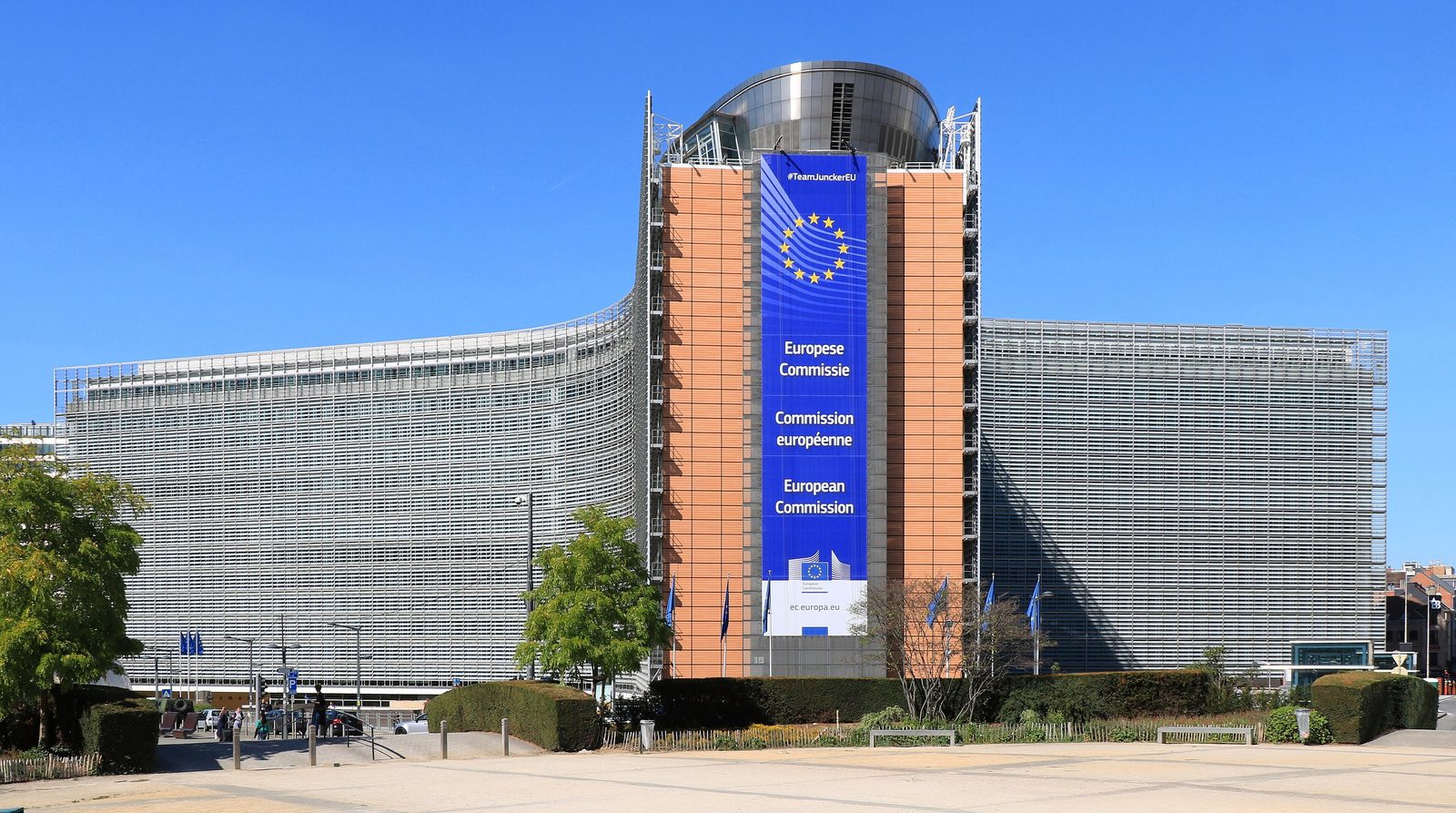
European Commission President Ursula von der Leyen launched a new Arctic Strategy on Tuesday, framing the region as a geopolitical fault line where European sovereignty can no longer be taken for granted.
"The Arctic is one place where the tectonic plates of geopolitics are colliding," von der Leyen said at the unveiling. She stated that when sovereignty, territorial integrity and the rules underpinning regional security can no longer be taken for granted, "we have to act and change our strategic posture."
The strategy comes as Russia builds up its military power in the Arctic, China invests in the region and pursues shipping ambitions there, and US President Donald Trump has threatened Greenland, saying the Danish territory is needed for American security interests. Trump later signed a deal with Denmark over US military access to the territory. The northern parts of Finland and Sweden, along with Greenland, are located within the Arctic, meaning part of the region falls within the European neighbourhood. Iceland and Norway, two other Arctic states, are also involved in the European single market.
EU High Representative for Foreign Affairs and Security Policy Kaja Kallas said Russia "has reopened Soviet-era bases and is testing new weapons" in the Arctic, and cited drone incursions, GPS jamming and sabotage of undersea cables as active threats. Russia's shadow fleet, which is an attempt to circumvent Western sanctions, is also operating in the region.
On security, the strategy envisages a maritime security hub to facilitate information sharing from seabed to space, an expansion of European icebreaker capacity, and an extension of the bloc's satellite surveillance programme.
EU Commissioner for International Partnerships Jozef Sikela told reporters the EU does not intend to compete with NATO. He said that "NATO will remain basically the center of defense and deterrence," but noted that NATO does not have a budget—the member states do. He added that the strategy focuses on "proper focus and proper use of resources of NATO member states" and better coordination.
Sikela also accused Russia of "unprecedented" actions in the Arctic and said the "catastrophic level of drilling and opening new mines" in the region is contributing to its rapid warming. The Arctic is warming about four times faster than the global average, and the melting of ice and glaciers poses risks to Europe such as prolonged heatwaves, drought and flooding.
Sikela noted that collaboration in the Arctic is "very difficult," adding that the EU is "not getting information about the permafrost from the biggest part of the Arctic territory." As part of the strategy, the bloc intends to strengthen climate research, observation and monitoring and launch flagship projects utilising AI to anticipate extreme weather and cascading disasters such as coastal flooding. The Arctic is rich in critical minerals and rare earth elements such as nickel, though the EU does not want to expand new drilling in the region.
Sources — how we know this
- PrimaryDeutsche Welle (EN)