This story is currently available in anglais only — a translation isn't ready yet.
EU leaders meet in Dublin as Ukraine peace role takes centre stage
European Council summit, originally billed as an AI gathering, shifts focus to securing Europe a formal seat at Ukraine negotiations after US envoys visit Moscow and Dublin.
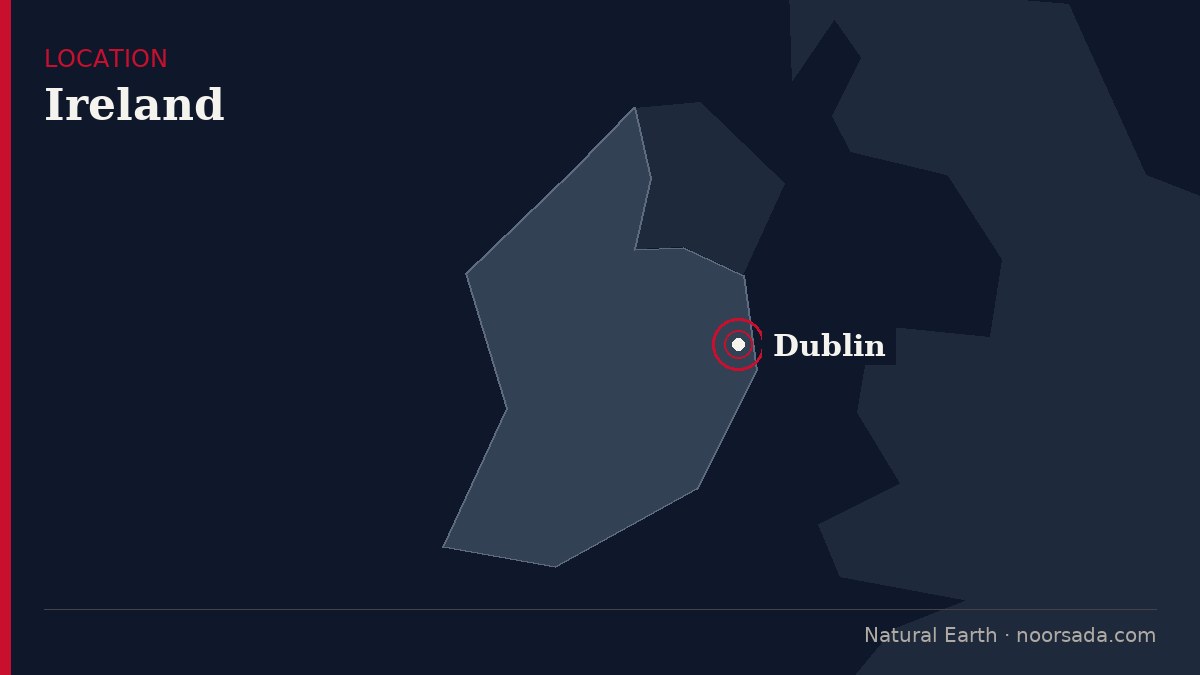
European Union leaders convened in Dublin on Friday for a summit pulled in two directions: pressing questions about Europe's role in Ukraine peace talks, and the bloc's ability to compete in artificial intelligence.
The meeting followed talks between US envoys Jared Kushner and Steve Witkoff in Moscow with Russian President Vladimir Putin, and a subsequent visit to Baldonnel military aerodrome outside Dublin to meet Ukrainian President Volodymyr Zelensky.
Speaking alongside Kushner at Baldonnel on Thursday, Zelensky said European representatives would participate directly in the next round of talks, rather than remaining on the sidelines as they had in earlier negotiations in Abu Dhabi. Kushner confirmed that both sides had agreed to expand talks to include European partners. "Significant differences remain, but we are encouraged by the progress made," he wrote on X, adding that details of the next meeting would be announced shortly. The Kremlin has not confirmed agreement to European participation.
Putin, during more than four hours of talks with the US envoys in Moscow, rejected proposals for demilitarised zones between Ukrainian and Russian forces and ruled out the deployment of foreign peacekeeping troops in Ukraine, warning Russia would regard them as legitimate military targets.
European Council President António Costa rejected suggestions that Europe's security framework needs fundamental revision. "There is no need to reinvent the wheel," he said.
On AI, the summit's original purpose, French AI developer Mistral's chief executive Arthur Mensch and Nobel Prize-winning AI pioneer Geoffrey Hinton are both attending. EU leaders are examining the bloc's capacity to compete with American and Chinese firms. The EU's Chips Act is struggling to meet its target of doubling Europe's share of the global semiconductor market to 20 percent by 2030. Plans to establish seven AI gigafactories have encountered funding difficulties amid disagreements over the 2028–2034 EU budget.
Sources — how we know this
3 independent sources corroborated this
- PrimaryRFI English
- CorroboratingFrance 24 (EN)
- CorroboratingPOLITICO Europe