Developing✓ 1 sourcesEditorialDeveloping
This story is currently available in anglais only — a translation isn't ready yet.
German Bundesrat blocks relief payment, fueling political deadlock
States reject federal government's planned relief premium as economic debate intensifies.
Vitesse:
PD
Pierre Dubois
· 2 min read
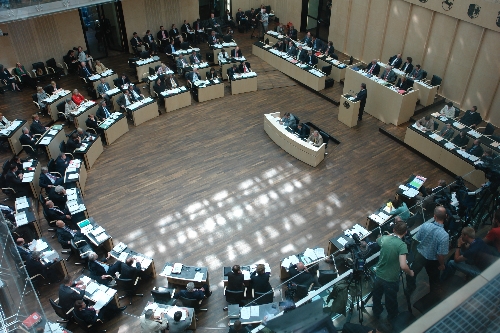
Germany's upper house rejected a planned relief premium (Entlastungsprämie) proposed by the federal government, according to state-level reporting.
Criticism from regional leaders, including Bavaria's Markus Söder and Mecklenburg-Vorpommern's Manuela Schwesig, has reduced prospects for the relief measure's passage. Some regional governors are instead pressing for alternative support mechanisms.
The deadlock reflects divisions within Germany's federal structure over economic stimulus approaches as the country navigates cost-of-living pressures and inflation concerns.
Sources — how we know this
- PrimaryTagesschau