This story is currently available in anglais only — a translation isn't ready yet.
German eye chains billed patients hundreds of millions too much, review finds
Analysis of more than a thousand cataract invoices finds unlawful flat fees and doubled examinations; one patient paid 799 euros for a lens costing 71.90 euros more than standard.
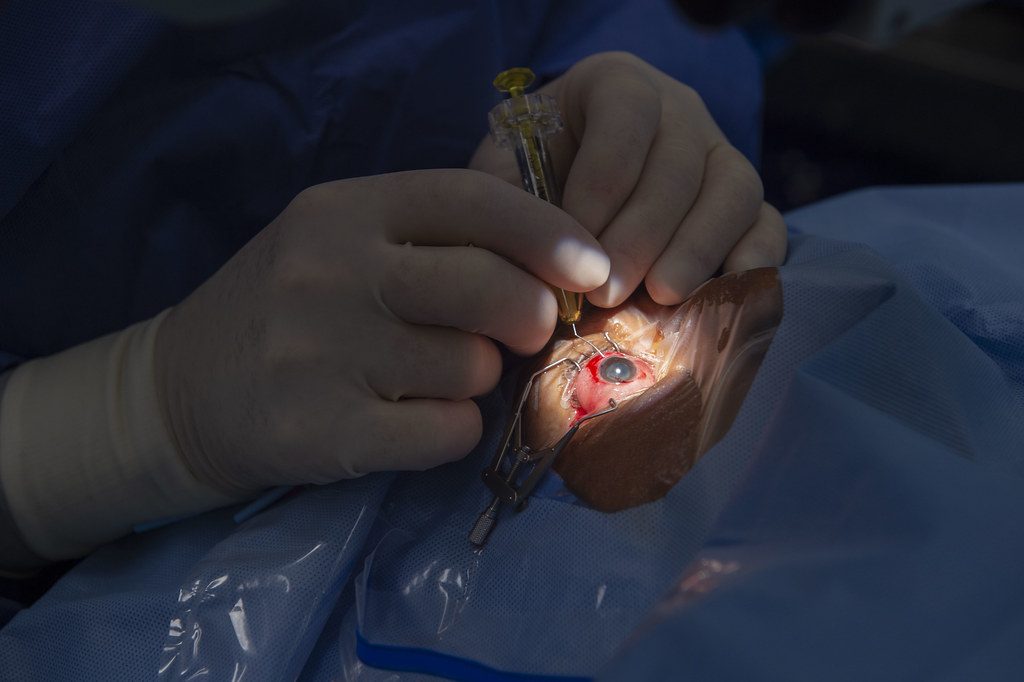
A months-long analysis of more than a thousand cataract invoices has found that large German ophthalmology chains billed patients hundreds of millions of euros too much for so-called premium lenses.
Public broadcaster NDR, which reviewed the documents with medical experts, said the bills show limits being crossed in many different ways. Detlef Jurzok paid 799 euros out of his own pocket for a special lens implanted at the start of the year. After the May 2024 reporting he asked his clinic for an itemised breakdown, which showed the lens itself cost only 71.90 euros more than the sum health insurers pay for a standard lens. The rest was listed as preliminary examinations allegedly needed for the premium lens — more than 20 items, some billed twice. The clinic did not answer NDR's questions.
Andreas Spickhoff, a medical law professor, said unlawful flat-rate fees were being charged, although the fee schedule requires an exact breakdown of the services performed.
Jan Tode, who also assessed anonymised bills, said money was being taken out of patients' pockets. Many examinations were unnecessary, he said, and some were charged twice although they may be billed only once for both eyes together.
For lenses that health insurers cover in full, large chains frequently demand well over 500 euros, and for other special lenses some charge more than 2,000 euros. Patients report being refused surgery with such lenses without a surcharge, often on the grounds that expensive preliminary examinations are required.
A special laser is also offered, at 1,350 euros in Jurzok's case and usually between 1,200 and 1,600 euros. Tode said a large analysis of several studies found no advantage: "You can use the laser, but it brings no advantage."
Some chains have kept billing in a form the Bundesgerichtshof declared inadmissible in 2021; Spickhoff said such invoices are "clearly no longer possible" under that case law. At the end of October the Bundesamt für Soziale Sicherung wrote to all health insurers, partly in response to the May reporting, urging them to tell members which lenses require no co-payment.
Sources — how we know this
- PrimaryTagesschau