This story is currently available in anglais only — a translation isn't ready yet.
Iran enters winter with a daily natural gas deficit of 430 million cubic meters
National Iranian Gas Company Chairman Saeed Tavakoli announced that 26 shells that hit six refineries on March 18 struck 28 percent of production capacity.
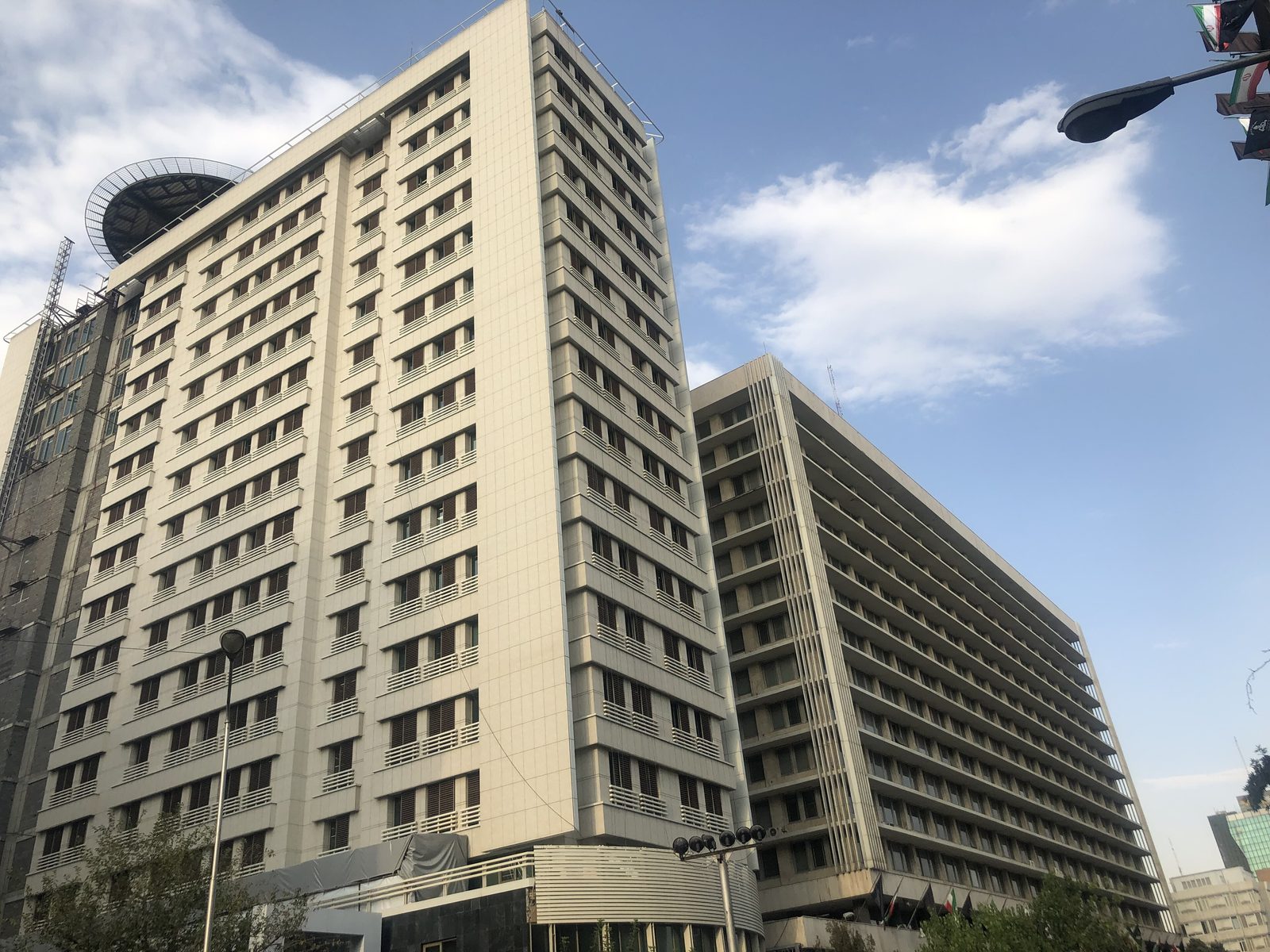
Iran is entering the winter months with a peak demand deficit of about 430 million cubic meters per day. The government anticipates that the deficit could affect both households and industry. The country holds the world's second-largest proven natural gas reserves after Russia; however, aging infrastructure, lack of investment, international sanctions, inefficient consumption and limited storage capacity are deepening the problem.
National Iranian Gas Company (NIGC) Chairman Saeed Tavakoli said in a statement to local media last week that immediately after the attacks of March 18, in which 26 shells hit six refineries, 28 percent of the country's gas production capacity was put out of service. According to the government, about 100 million cubic meters per day of processing capacity has been recovered since that day; the full restoration of the additional 130 million cubic meters lost in the US and Israeli attacks may extend to 2028. Hashem Oraee, head of the Iranian Energy Associations Association, said the country cannot close the gap through imports.
Gas accounts for 73 percent of Iran's energy mix. According to Tavakoli, household consumption has reached 480 million cubic meters per day and is expected to rise further as the cold sets in; last winter's peak consumption was recorded at 737 million cubic meters. NIGC considers 11 of the country's 31 provinces to be distinctly vulnerable in terms of outage risk this winter; Mazandaran, Golestan and North Khorasan top the list.
Government spokesperson Fatemeh Mohajerani warned at a press conference last week that if consumption rises, gas could be cut across the country, including in Tehran. "Unlike electricity, restoring gas after it has been cut is a time-consuming process," Mohajerani said, adding that "this is why grid stability is of vital importance."
The cuts have begun to be reflected in industry. Zagros Petrochemical Company, which operates in the Asaluyeh energy hub in the south of the country, informed its shareholders on Saturday that, in line with NIGC's instruction, it had shut down a methanol production unit until a second announcement. David Jalilvand, director of the Germany-based consultancy Orient Matters, said the burden would fall on industry, but that prioritizing households does not guarantee that supply will continue without interruption.
To save gas, the government instructed affiliated institutions to reduce gas consumption by 20 percent; office temperatures will be kept at about 18 degrees, 18-21 degrees is recommended for homes, and office heating will be turned off on holidays. In inspections carried out last week, gas was cut to the Ministry of Education building and five public buildings in Tehran. The country's gasoline supply imbalance also continues; in summer and early autumn, rolling power outages were implemented to close the gap in electricity generation, the gasoline price was raised twice in less than a year, and a monthly quota limit was imposed on private vehicles. An October circular requires eligible civil servants to work from home at least two days a week and to commute to work one day a week without using a private car.
Sources — how we know this
- PrimaryAl Jazeera English